IgG Subclasses Serum Test | Lahalak Medical Platform

A specialized test measuring IgG subclasses in serum, providing precise insight into immune system function and identifying imbalances in immune response.

Prices starts from: 912.38 SAR

Scientific name: IgG Subclasses Serum Test

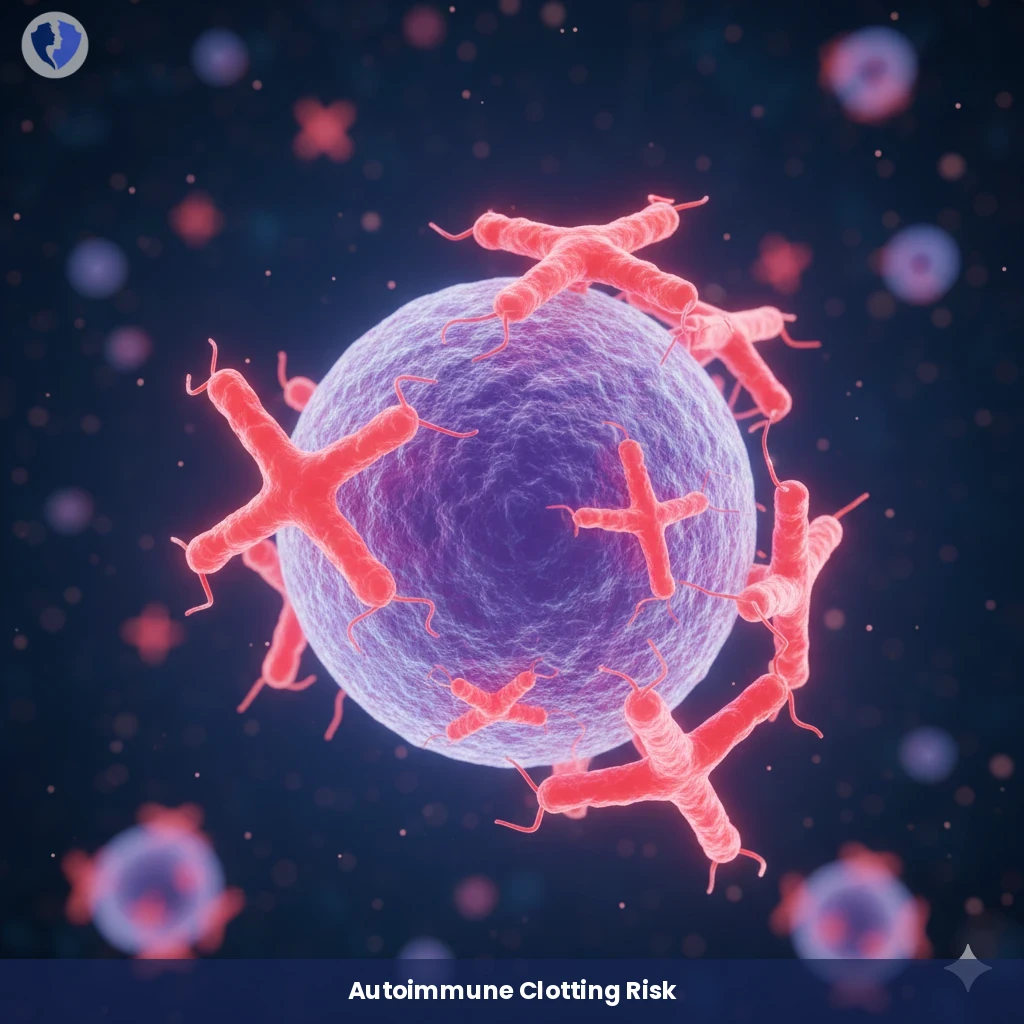
IgG Subclasses, Serum analysis is a laboratory test used to determine the levels of the four different types of IgG antibodies in the blood: IgG1, IgG2, IgG3, and IgG4. IgG antibodies are a key component of the immune system, playing a vital role in protecting the body from infections and diseases. This test helps assess immune function, especially...


IgG Subclasses Serum Test - Precision Immune Profiling
Service type Laboratory test (Blood)
Duration 10-15 minutes
Fasting Fasting is not required
Prices Starting from 912.38 SAR

Included Services

  • IgG Subclasses, Serum Test
  • The optimal health guidance based on the result.
  • Personal support services from Lahalak

Medical Service Information

Purpose Test

  • IgG1: The most common type, helping combat bacterial and viral infections.
  • IgG2: Plays an important role in immune response against encapsulated bacteria.
  • IgG3: The most effective in activating the immune system and combating acute infections.
  • IgG4: Less abundant and often associated with immune responses to foreign substances.
  • This test helps in:
  • Diagnosing immunodeficiency: Determining if there is a deficiency in a specific antibody type that could lead to recurrent infections.

Recommended groups

  • People with recurrent infections: Such as repeated or severe infections, which may indicate immunodeficiency.
  • Patients with autoimmune diseases: To assess immune system function and understand immune response.
  • Children with growth delays: Or those with chronic health issues, as antibody levels may indicate immunodeficiency.
  • Patients receiving immunotherapy: To monitor treatment effectiveness and identify any potential antibody deficiencies.
  • Individuals with unexplained symptoms: Such as chronic fatigue or unclear allergies, where results can provide valuable insights.
  • People with a family history of immunodeficiency: To assess the risk of developing immune-related problems.

Symptoms indicative

  • Recurrent infections: Such as repeated respiratory or skin infections.
  • Allergic symptoms: Such as rashes, eye itching, or unexplained respiratory issues.
  • Chronic fatigue: Persistent tiredness and weakness without a clear cause.
  • Growth problems: Delayed growth in children or poor weight gain.
  • Unusual infections: Such as infections caused by rare bacteria or viruses.
  • Autoimmune disease symptoms: Such as fatigue, joint pain, or changes in the skin.

FAQs

  • What is the IgG Subclasses Test? It is a test that measures the levels of the four different types of IgG antibodies in the blood to assess immune system function.
  • How is this test performed? A blood sample is drawn from the patient and sent to the laboratory for analysis.
  • Does the patient need to prepare before the test? The test usually does not require special preparation, but it is advisable to consult a doctor about any specific requirements.
  • What are the normal IgG levels? Normal values vary between laboratories, so results should be discussed with a doctor for proper interpretation.
  • What do high or low results mean? High levels may indicate a strong immune response or allergy, while low levels may indicate immunodeficiency.
  • How long does it take to get the results? Results typically take several days to a week, depending on the laboratory.

Normal Levels

  • IgG1: 400 - 1,200 mg/dL
  • IgG2: 60 - 400 mg/dL
  • IgG3: 30 - 300 mg/dL
  • IgG4: 5 - 100 mg/dL

Conditions & Notices

  • The terms and conditions announced on the "Lahalak" medical platform apply.
  • There are no special conditions for the service other than those mentioned.

Medical services you might also like