
Inhalant Allergy IgE Test | Lahalak Platform

Accurate analysis of 34 common inhalant allergens like dust and pollen to help you avoid respiratory triggers and reclaim a comfortable, healthy lifestyle.

Prices starts from: 160 SAR

Scientific name: Inhalant Allergy Specific IgE Test

The test aims to determine whether a person has an allergy to substances such as dust, pollen, mold, or animal dander, which helps in diagnosing conditions such as asthma, allergic rhinitis, and other respiratory allergies.

Inhalant Allergy Specific IgE Test - Breathe Freely: Identify Inhalant Triggers
Service type Laboratory test (Blood)
Duration 10-15 minutes
Fasting Fasting is not required
Prices Starting from 160 SAR

Included Services

  • Allergens Specific IgE Screening (Inhalant Panel) 34 Target Test
  • A nurse visit for blood sample collection, with results provided within 24 hours.
  • The optimal health guidance based on the result.
  • Personal support services from Lahalak

Medical Service Information

Purpose Test

  • Presence of allergy: The test measures IgE antibody levels in the blood, indicating an immune response to specific substances. Elevated levels suggest that the person may have an allergy.
  • Identification of allergenic substances: The test helps identify which of the 34 allergenic substances trigger allergic reactions, assisting doctors in advising patients to avoid them.
  • Assessment of allergy severity: Test results can be used to estimate the severity of the allergy. Higher IgE levels increase the likelihood of a severe allergic reaction.
  • Immune system response: The test provides information about how the immune system responds to inhaled allergens, helping doctors understand how the body reacts to these substances.
  • Guidance for treatment: Based on the test results, doctors can make informed decisions regarding treatment options, such as allergen avoidance or prescribing anti-allergy medications.
  • Identification of high-risk groups: The test helps identify individuals who may be at higher risk of developing severe allergies or related conditions, such as asthma or allergic rhinitis.

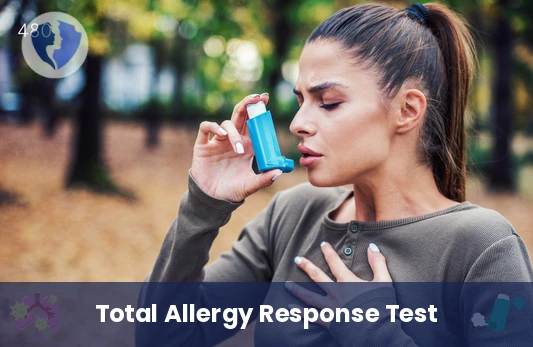
Recommended groups

  • Individuals with allergic symptoms: People who show symptoms such as sneezing, coughing, itching, shortness of breath, or nasal congestion after exposure to allergens.
  • Children: Children who exhibit allergic reactions when exposed to pollen, dust, or animal dander.
  • People with a family history of allergies: Individuals with a family history of allergies, such as asthma, allergic rhinitis, or other related conditions.
  • People suspected of having allergies: Those with unexplained symptoms, such as chronic fatigue or respiratory issues that may be related to inhaled allergens.
  • Individuals with chronic health conditions: People with conditions like asthma or allergic rhinitis, where inhaled allergens may contribute to worsening their condition.
  • People frequently exposed to allergens: Those living or working in environments with allergens such as pollen, dust, or mold.

Symptoms indicative

  • Frequent sneezing: Especially when exposed to allergens like dust or pollen.
  • Cough: May be dry or accompanied by mucus.
  • Shortness of breath: Difficulty breathing or feeling of suffocation.
  • Wheezing: A whistling sound when exhaling.
  • Rash: Red or swollen patches on the skin.
  • Itching: Severe itching on the skin or affected areas.

FAQs

  • What is the Allergens Specific IgE test? It is a blood test that measures IgE antibody levels produced in response to inhaled allergens, helping to determine whether a person has an allergy to specific substances.
  • Why is this test requested? The test is requested to diagnose allergies in individuals who experience symptoms such as sneezing, coughing, or shortness of breath after exposure to allergens.
  • What substances does this test include? The test examines sensitivity to 34 inhaled allergenic substances, such as pollen, mold, dust, and animal dander.
  • Does the test require special preparations? Usually, no special preparation is needed, but it is recommended to inform the doctor of any medications being taken.
  • How is the test performed? A blood sample is drawn from the arm and sent to the laboratory for analysis.
  • How are the results interpreted? Elevated IgE levels indicate a potential allergy, while normal levels may suggest no sensitivity to the tested substances.

Conditions & Notices

  • The terms and conditions announced on the LahaLak Medical Platform apply.

Medical services you might also like