
Lahalak Medical PlatformDifferentiate Care
Discover the target areas for non-invasive body contouring, how Cryolipolysis works, expected results, and safety guidelines in this medical guide.

Advertisement
In recent years, non-invasive aesthetic medicine has experienced a major technological revolution, with Cryolipolysis (fat freezing) emerging as one of the most sought-after and safest solutions for stubborn localized fat. These techniques aim to reshape and contour specific areas of the body that typically resist strict diets and regular exercise. It is crucial to clarify that these procedures are not weight-loss solutions for obesity; rather, they are precise medical tools designed to refine body shape and enhance appearance safely, complying with medical standards approved by regulatory bodies like the Saudi Food and Drug Authority (SFDA).
Cryolipolysis is based on a proven scientific principle known as "apoptosis" (programmed cell death) induced by cold temperatures. Because fat cells are more sensitive to cold than surrounding tissues—such as skin, nerves, and blood vessels—applying precise, controlled cooling crystallizes and gradually destroys these fat cells without damaging the adjacent structures. Over the following weeks and months, the body naturally processes and eliminates these dead cells through the lymphatic system, resulting in a visible reduction of the fat layer in the treated area.
Modern body contouring devices feature various applicators and handpieces designed to fit the natural curves and anatomy of different body parts. The most commonly treated areas include:
The abdomen is one of the most common areas for stubborn fat accumulation in both men and women. Body contouring helps eliminate upper and lower abdominal fat bulges, providing a flatter and more toned appearance. A thorough clinical assessment is required to ensure the target is subcutaneous fat, not visceral fat, which cannot be treated with non-invasive cooling.
The flanks are the areas on the sides of the waist that often bulge over clothing. This area responds exceptionally well to fat freezing, helping to define the waistline and restore natural, balanced body contours.
Fat accumulation in the thighs can cause uncomfortable chafing or create an unbalanced silhouette (such as "saddlebags" on the outer thighs). Specialized curved and flat applicators are used to fit the thighs perfectly, reducing localized fat and slightly improving skin tightness.
Many individuals, particularly women, experience stubborn fat accumulation in the back of the upper arms (triceps area), leading to localized sagging. Cryolipolysis can reduce this fat, though skin elasticity must be evaluated beforehand to ensure the skin can retract properly after fat reduction.
Fat accumulation under the chin can make the face look older or heavier. With small, specialized applicators, the submental area can be precisely contoured, defining the jawline safely without surgical intervention.
Other treatable areas include back fat (such as bra-line fat in women) and localized fat in the male chest (in cases of pseudogynecomastia, which is caused by fat accumulation rather than glandular breast tissue enlargement).
This refers to the small pockets of fat located directly beneath the buttocks. Treating this area smooths the transition between the buttocks and thighs, enhancing the overall posterior silhouette.
The following table outlines the key details of treating different body areas with non-invasive contouring:
| Target Area | Primary Treatment Goal | Approximate Sessions | Expected Recovery Time |
|---|---|---|---|
| Abdomen & Flanks | Reduce bulges & define waistline | 1 - 3 sessions | None (immediate return to activities) |
| Thighs (Inner/Outer) | Reduce chafing & contour thighs | 2 - 3 sessions | None (temporary redness only) |
| Upper Arms | Reduce stubborn back-arm fat | 1 - 2 sessions | None (mild temporary numbness) |
| Double Chin | Define jawline & reduce submental fat | 1 - 2 sessions | None (mild swelling for a few days) |
| Banana Roll | Smooth the sub-gluteal fold | 1 - 2 sessions | None (temporary mild tenderness) |
To achieve optimal medical and aesthetic outcomes, candidates should meet specific criteria determined by a specialist during the initial consultation:
Non-invasive body contouring is straightforward and comfortable compared to surgical alternatives like traditional liposuction. Here is what to expect:
The physician assesses the target areas, measures the fat layer thickness, and takes clinical photographs to track progress. No anesthesia or complex preparation is required.
A protective gel pad is applied to the skin, followed by the appropriate applicator. Patients feel a strong pulling sensation and intense cold for the first few minutes, which soon transitions into a numb, comfortable feeling. Sessions typically last 35 to 60 minutes per area, during which patients can read or use their phones.
The practitioner performs a vigorous 2-minute massage on the treated area immediately after removing the applicator. Clinical studies show this massage breaks up the frozen fat cells, increasing treatment efficacy by up to 68%. Patients can resume normal daily activities immediately.
Cryolipolysis offers several key advantages that make it a highly popular choice:
While highly safe, the procedure can carry some temporary, mild side effects that patients should be aware of:
A common misconception is equating body contouring with weight loss. When you lose weight through diet and exercise, fat cells shrink in size but their total number remains the same, meaning they can expand again if weight is regained. Cryolipolysis, however, permanently destroys and reduces the actual number of fat cells in the treated area by approximately 20% to 25% per session. Therefore, this procedure reshapes the body and refines contours but is not designed to reduce the numbers on the scale.
To ensure the longevity of body contouring results and maximize your investment, consider the following recommendations:
Non-invasive body contouring via Cryolipolysis is an excellent, safe aesthetic option for eliminating stubborn localized fat in areas like the abdomen, flanks, thighs, and double chin. However, success depends heavily on proper patient selection and a customized treatment plan. We highly recommend consulting a licensed dermatologist or plastic surgeon to evaluate your suitability, discuss realistic expectations, and rule out any contraindications before undergoing treatment.
Clear, direct answers
Advertisement
Continue exploring

Discover the medical facts about body contouring vs. weight loss. Learn how cryolipolysis works, its benefits, and risks with LahaLak.
Read article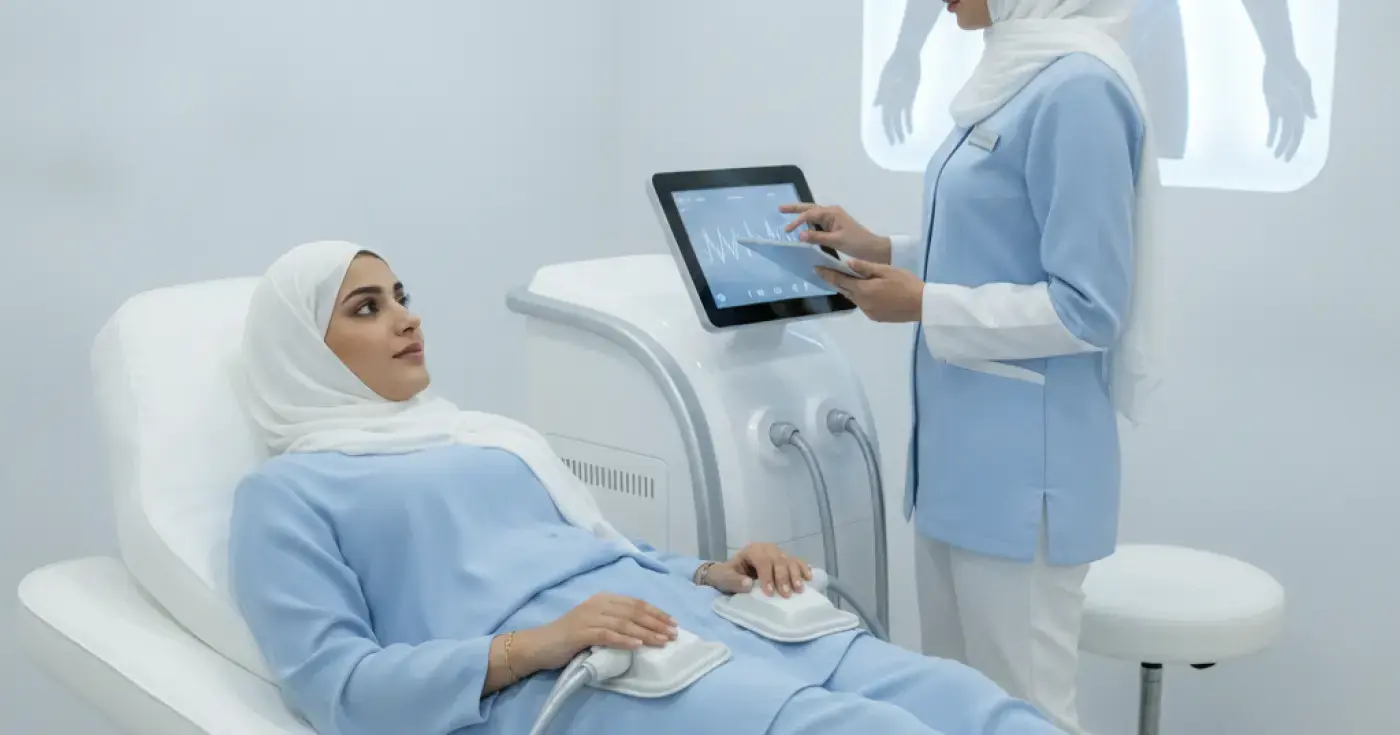
Learn the expected timeline for non-surgical body contouring results, key factors affecting fat reduction speed, and medical tips for optimal outcomes.
Read article
Learn how many Cryolipolysis sessions are required for optimal results, key factors influencing your treatment plan, and expected timelines.
Read article