
Lahalak Medical PlatformDifferentiate Care
Discover the medical facts about body contouring vs. weight loss. Learn how cryolipolysis works, its benefits, and risks with LahaLak.

Advertisement
There is a common misconception that non-surgical body contouring is a direct alternative to weight loss or a treatment for obesity. In reality, these two concepts are medically and physiologically distinct. Weight loss focuses on reducing overall body mass by shrinking the size of existing fat cells, whereas body contouring aims to reshape specific areas by permanently eliminating stubborn, localized fat deposits that resist diet and exercise.
Modern body contouring techniques target and destroy subcutaneous fat cells using various physical modalities without the need for major surgery. Once these cells are destroyed, the body's lymphatic system naturally processes and eliminates them over several weeks or months. The most common non-surgical techniques include:
When you lose weight through traditional methods like maintaining a healthy lifestyle and exercising, the number of fat cells in your body remains the same; they simply shrink in size. In contrast, body contouring procedures permanently remove a portion of fat cells in the treated area. However, the actual mass of fat eliminated during a single session is minimal, meaning the impact on the scale is negligible. Consequently, these procedures cannot be used to significantly lower your Body Mass Index (BMI).
The following table outlines the key differences between traditional weight loss and non-surgical body contouring to help you make an informed medical decision:
| Feature | Traditional Weight Loss | Non-Surgical Body Contouring |
|---|---|---|
| Primary Goal | Reducing overall body mass and improving systemic health. | Enhancing body shape and contour in localized areas. |
| Mechanism of Action | Shrinking the volume of existing fat cells globally. | Destroying and reducing the number of fat cells locally. |
| Scale Weight Impact | Significant and measurable reduction in kilograms. | Minimal to no noticeable change on the scale. |
| Target Areas | Non-selective fat loss across the entire body. | Precise targeting of areas like the abdomen, flanks, or chin. |
| Ideal Candidate | Individuals with general overweight or clinical obesity. | Individuals near their ideal weight with stubborn local fat. |
To ensure realistic expectations and optimal clinical outcomes, candidates for body contouring should meet the following criteria:
While non-surgical body contouring is generally safe compared to surgical alternatives like liposuction, it is not entirely risk-free. Patients should discuss potential side effects with their physician:
Although the destroyed fat cells are permanently gone, the remaining fat cells in your body can still expand if you consume excess calories. To preserve your contoured silhouette, LahaLak medical editors recommend drinking plenty of water to assist the lymphatic system, exercising regularly, and limiting processed sugars and saturated fats.
Before undergoing any aesthetic procedure, it is essential to schedule a consultation with a qualified dermatologist or plastic surgeon licensed by the Saudi Commission for Health Specialties (SCFHS). A specialist will evaluate your skin elasticity, measure fat thickness, recommend the most effective technology, and ensure the procedure is safe for your medical profile.
Clear, direct answers
Advertisement
Continue exploring

Learn the expected timeline for non-surgical body contouring results, key factors affecting fat reduction speed, and medical tips for optimal outcomes.
Read article
Learn how many Cryolipolysis sessions are required for optimal results, key factors influencing your treatment plan, and expected timelines.
Read article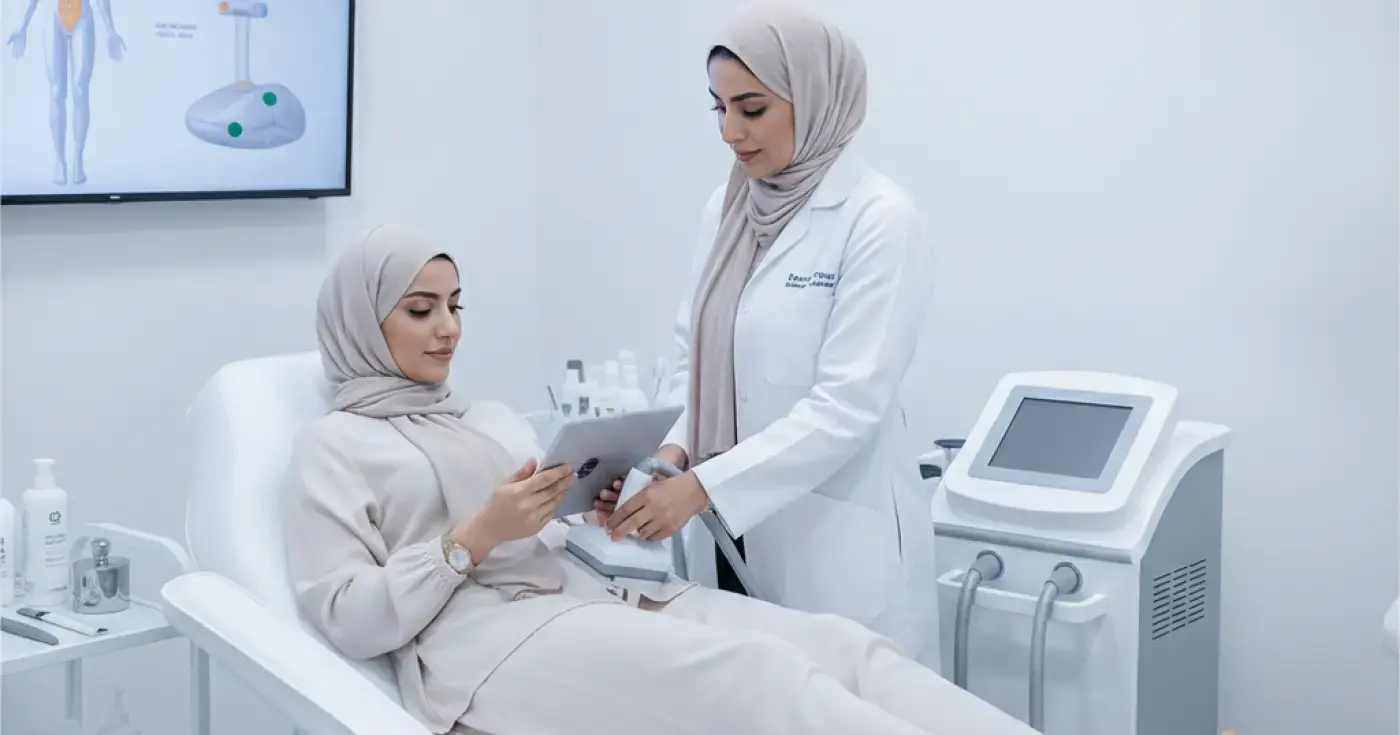
Discover non-surgical body contouring options like Cryolipolysis. Learn about ideal candidates, benefits, risks, and expected results in Saudi Arabia.
Read article