
Lahalak Medical PlatformDifferentiate Care
Discover how long a skin biopsy takes, the laboratory steps involved, factors causing delays, and how to interpret your pathology report.

Advertisement
A skin biopsy is one of the most reliable and precise diagnostic tools in modern dermatology. When a dermatologist detects an abnormal skin change, such as a suspicious mole, a non-healing sore, or a persistent rash, a visual clinical examination may not be enough to reach a definitive diagnosis. This is where a biopsy is essential—a simple procedure where a small sample of affected skin cells is removed and sent to a pathology lab for microscopic examination.
The primary importance of this procedure lies in its ability to accurately differentiate between benign (non-cancerous) and malignant (cancerous) or precancerous lesions, as well as diagnosing inflammatory and autoimmune skin conditions. Understanding this procedure and the steps your sample goes through can significantly help reduce the anxiety and stress that patients often experience while waiting for their results.
The most common and urgent question patients ask after undergoing this procedure is: "When do skin biopsy results come out?". In most medical centers in Saudi Arabia, results typically take between 3 to 10 business days. However, this timeframe can vary based on several technical and medical factors.
For simple, routine cases, such as examining skin tags or benign-looking moles, results may be available within 3 to 5 days. In more complex cases that require special staining, advanced genetic analysis, or when the pathologist needs to consult with colleagues to confirm the diagnosis, the waiting time can extend to two weeks or more. It is crucial for patients to understand that a delay in results does not necessarily indicate a serious diagnosis; it is often due to technical steps taken to ensure diagnostic accuracy.
Several critical factors determine the time required to issue a final skin biopsy report, including:
There are several methods for performing skin biopsies, depending on the size of the lesion, its location on the body, and the initial clinical diagnosis. The type of biopsy directly affects how the sample is handled in the lab and, consequently, when the results are ready:
The doctor uses a small blade to remove the outermost layers of the skin (epidermis and part of the dermis). This is typically used for raised skin lesions and superficial moles. Because the sample is small, processing is relatively quick, and results are usually available within 3 to 5 business days.
This is performed using a circular tool resembling a pen to core out a cylindrical sample that penetrates into the deeper layers of the skin, including the subcutaneous fat. It is used to diagnose inflammatory skin diseases and deeper lesions. This sample requires careful processing to examine all layers, and results usually take 5 to 7 business days.
The doctor uses a scalpel to remove the entire lesion along with a margin of surrounding healthy skin to ensure complete removal (such as in cases of suspected mole excision or tumors). These larger specimens require more time for fixation, sectioning, and examining surgical margins to ensure they are clear of abnormal cells, taking about 7 to 10 business days.
To understand why results take several days, it is helpful to know the precise and complex journey the skin sample takes inside the laboratory:
When the report is issued, it may contain complex medical terms. It is essential to discuss these results with your treating physician, but here are some common terms you might find:
The following table provides a quick comparison of the different types of skin biopsies and their approximate turnaround times:
| Biopsy Type | Procedure Method | Common Uses | Expected Result Timeline (Business Days) |
|---|---|---|---|
| Shave Biopsy | Superficial scraping with a fine blade | Superficial moles, skin tags, seborrheic keratosis | 3 - 5 Days |
| Punch Biopsy | Deep cylindrical sample using a circular tool | Skin rashes, inflammatory diseases, deep lesions | 5 - 7 Days |
| Excisional Biopsy | Complete removal of the lesion with safety margins | Suspected skin tumors, deep moles | 7 - 10 Days |
Waiting for results can be accompanied by some anxiety. Here are some medical and practical tips to handle this period safely:
Although a skin biopsy is an extremely safe and simple procedure, you should watch for certain warning signs that may indicate complications and require immediate contact with your medical center or doctor:
Undergoing a skin biopsy is a positive and necessary step toward obtaining an accurate diagnosis and correct treatment. Always remember that the waiting period, which usually ranges from 3 to 10 days, is purely technical and designed to ensure your skin cells are examined with the highest standards of accuracy and professionalism. At LahaLak, we advise you not to hesitate to ask your doctor any questions or express any concerns, and to strictly adhere to wound care instructions to ensure optimal and aesthetic healing.
Clear, direct answers
Advertisement
Continue exploring

Learn how to care for your skin biopsy site step-by-step. Discover normal healing signs, infection risks, and tips to minimize scarring.
Read article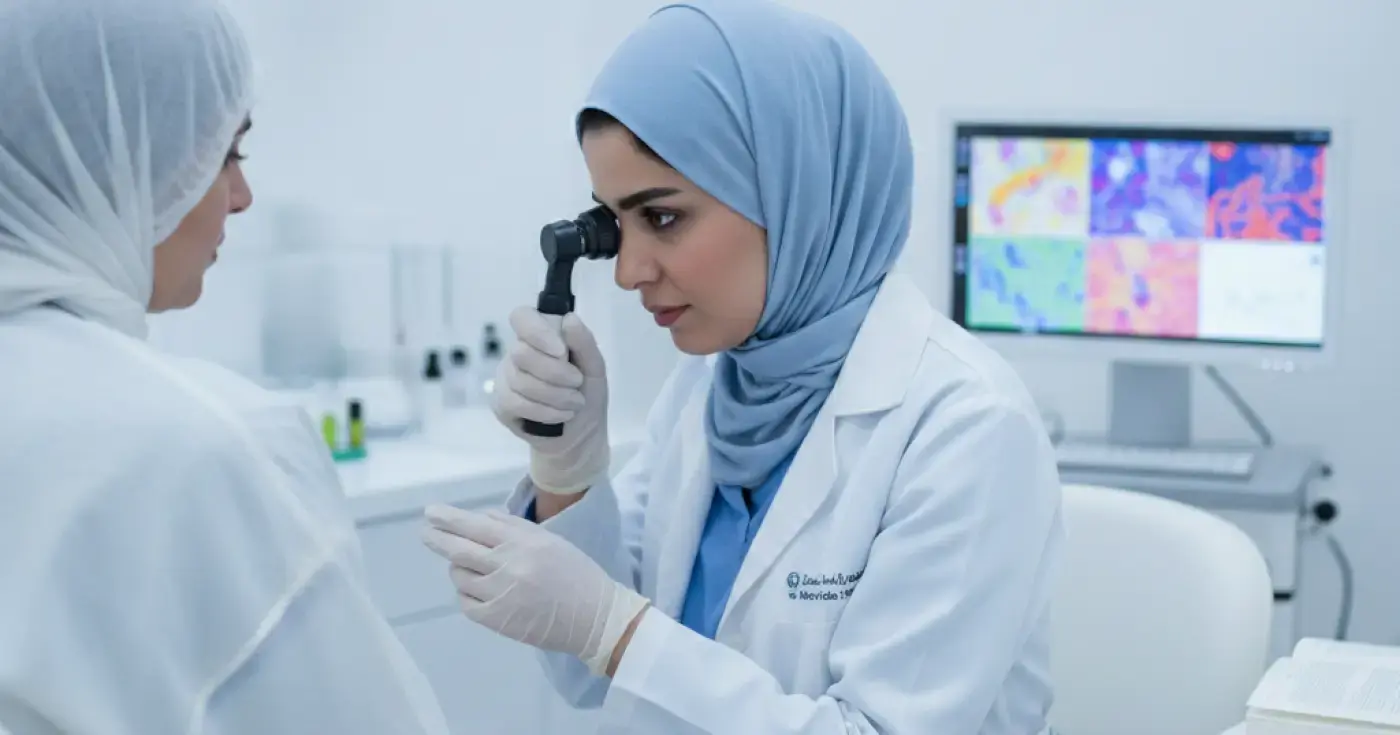
Discover what skin biopsy results reveal, from benign lesions to skin cancer, and learn how to understand your pathology report and care for the wound.
Read article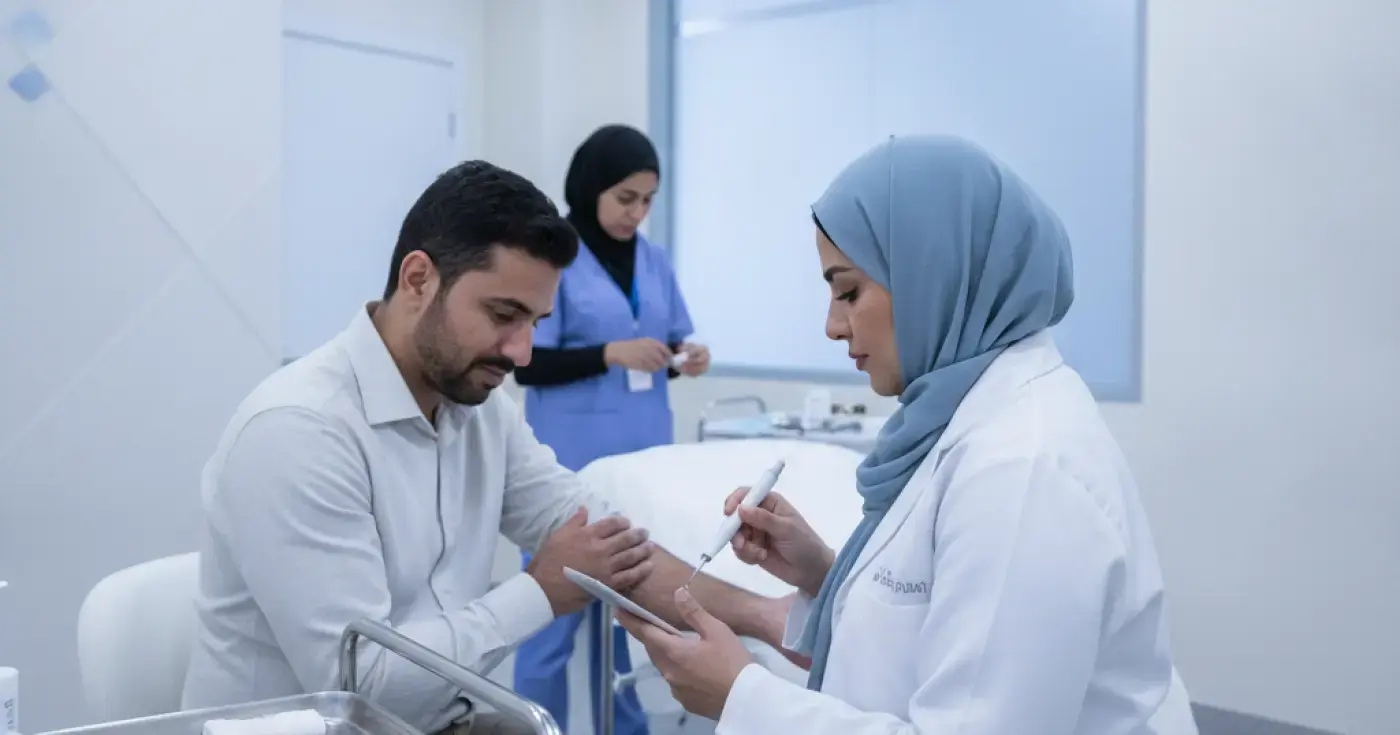
Find out if a skin biopsy hurts, how long it takes to heal, and expert tips on wound care, recovery timeline, and when to contact your doctor.
Read articleExplore the topic