
Lahalak Medical PlatformDifferentiate Care
Learn how to care for your skin biopsy site step-by-step. Discover normal healing signs, infection risks, and tips to minimize scarring.

Advertisement
A skin biopsy is a safe, routine diagnostic procedure where a small sample of skin tissue is removed for histopathological examination. While the procedure itself is quick, the way you care for the wound at home plays a vital role in how fast it heals, whether it becomes infected, and how noticeable the resulting scar will be.
At LahaLak, we are committed to providing evidence-based, patient-friendly clinical guidance. This comprehensive guide outlines the essential steps for proper wound care after a skin biopsy, helping you achieve a smooth recovery and minimize complications.
The healing process and timeline depend largely on the biopsy technique performed by your dermatologist:
Immediate post-procedure care is crucial to prevent early complications like bleeding and contamination:
Leave the original bandage applied by your doctor in place and keep it completely dry for the first 24 hours. Avoid showering, washing the area, or engaging in activities that cause heavy sweating during this initial window.
Avoid strenuous exercise, heavy lifting, or bending over (especially if the biopsy was on your head or neck) for the first 24 to 48 hours. Increased blood pressure can cause the wound to reopen and bleed.
Slight oozing of blood or pinkish fluid is normal. If active bleeding occurs, apply firm, continuous pressure directly over the bandage using a clean gauze pad for 10 to 15 minutes. Do not lift the gauze to check. If bleeding does not stop after two attempts, contact your clinic or seek medical attention.
After the first 24 hours, you should clean the wound daily until it is fully closed or the stitches are removed. Follow these steps:
It is essential to monitor your wound daily and distinguish between normal inflammatory healing responses and actual bacterial infections:
| Symptom | Normal Healing (Expected) | Signs of Infection (Contact Doctor) |
|---|---|---|
| Redness | Mild pinkness or redness confined to the immediate edges of the wound, fading over time. | Intense, spreading redness, or red streaks radiating outward from the biopsy site. |
| Pain | Mild soreness or tenderness that peaks in the first 48 hours and responds to acetaminophen. | Increasing, throbbing pain that worsens after a few days and is not relieved by mild painkillers. |
| Swelling | Slight puffiness around the wound that subsides within a couple of days. | Significant, worsening swelling, or hardening of the surrounding skin. |
| Drainage | A small amount of clear, yellowish fluid (serous fluid) during the first few days. | Thick, cloudy, yellow or green pus draining from the wound, often with an unpleasant odor. |
| Temperature | The skin feels normal or slightly warm to the touch initially. | The area feels hot to the touch, or you develop a systemic fever or chills. |
Choosing the right topical product is critical for preventing complications:
If your biopsy required sutures, keep the following in mind:
Once the wound has closed, the remodeling phase of healing begins and can last for up to a year. To ensure the best cosmetic outcome:
Proper aftercare is the most effective way to ensure your skin biopsy heals beautifully with minimal scarring. By keeping the wound clean, moist, and protected, you support your body's natural healing process. If you notice any signs of infection, severe pain, or bleeding that does not stop, contact your healthcare provider immediately for evaluation.
Clear, direct answers
Advertisement
Continue exploring
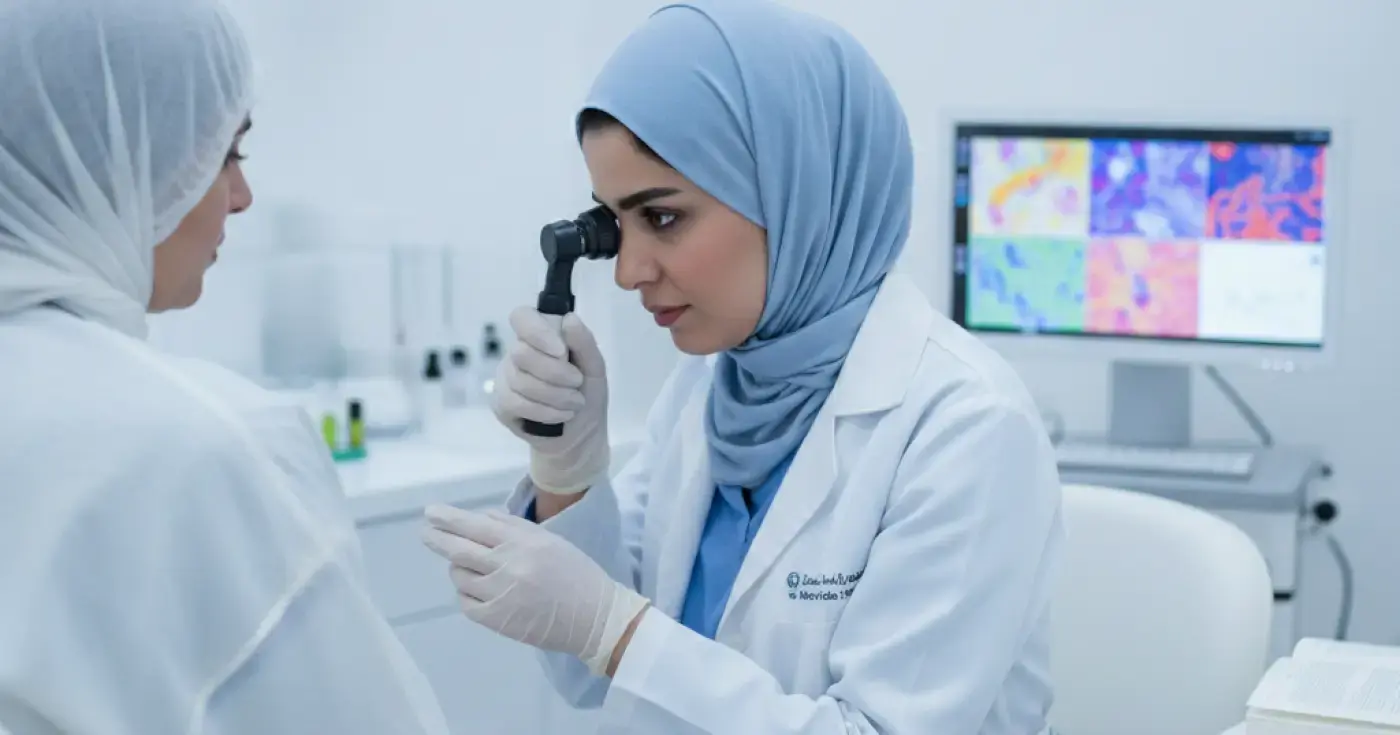
Discover what skin biopsy results reveal, from benign lesions to skin cancer, and learn how to understand your pathology report and care for the wound.
Read article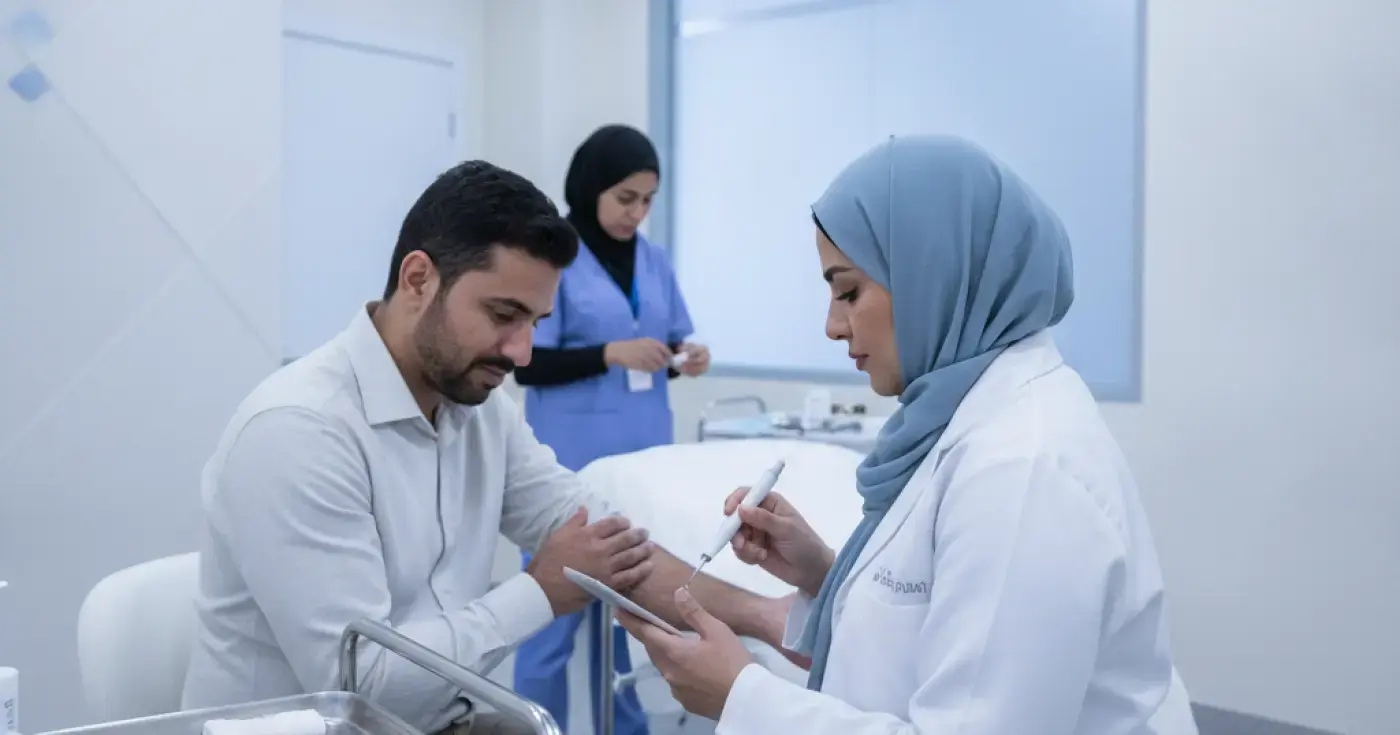
Find out if a skin biopsy hurts, how long it takes to heal, and expert tips on wound care, recovery timeline, and when to contact your doctor.
Read article
Learn when a mole or skin lesion requires a biopsy. Understand the ABCDE criteria, biopsy types, procedure steps, and when to see a dermatologist.
Read article