Insight Hub

Your feedback helps us raise our care standards.

LahaLak logo
LahaLakHealth Nexus | LahaLak Medical Services Office

We shape a clearer and more trusted care journey by combining medical expertise with digital technology.

Discovery

  • Vision & Mission
  • Elixir Blog
  • Success Stories

Ecosystem

  • Ambassador Program
  • Career Paths
  • Join as an Accredited Care Center
  • Practitioner Entry

Secure Access Node

Active Node

Support & Complaints Unit

0599489990

الخط المباشر|Direct Secure Line

Global Payments | سداد آمن
Privacy
Disclaimer
Editorial Policy & Medical Standards
Beneficiary Rights
Official IBAN
SA21 1000 0011 7000 0034 5102

All rights reserved to LahaLak Medical Platform © 2026
Exclusive Operator: LahaLak Medical Services Office

Reusing or copying platform content, designs, or ideas for commercial use is prohibited without prior written permission.

SBC: 0000209083CR: 4030402711VAT: 300095977700003SAIP: 1443017765BASE: Jeddah 23323
Lahalak Logo
Lahalak Medical PlatformDifferentiate Care
جاري تحميل مقال إكسير
Home›Elixir›Medical News›Types of Acne and Their Treatments: A Comprehensive Medical Guide
Medical News

Types of Acne and Their Treatments: A Comprehensive Medical Guide

Learn about the different types of acne, from blackheads to cystic acne, and how dermatologists customize treatments for each specific case.
By: LahaLak Medical PlatformPublished: October 7, 2026Updated: October 7, 20269 min read18 views
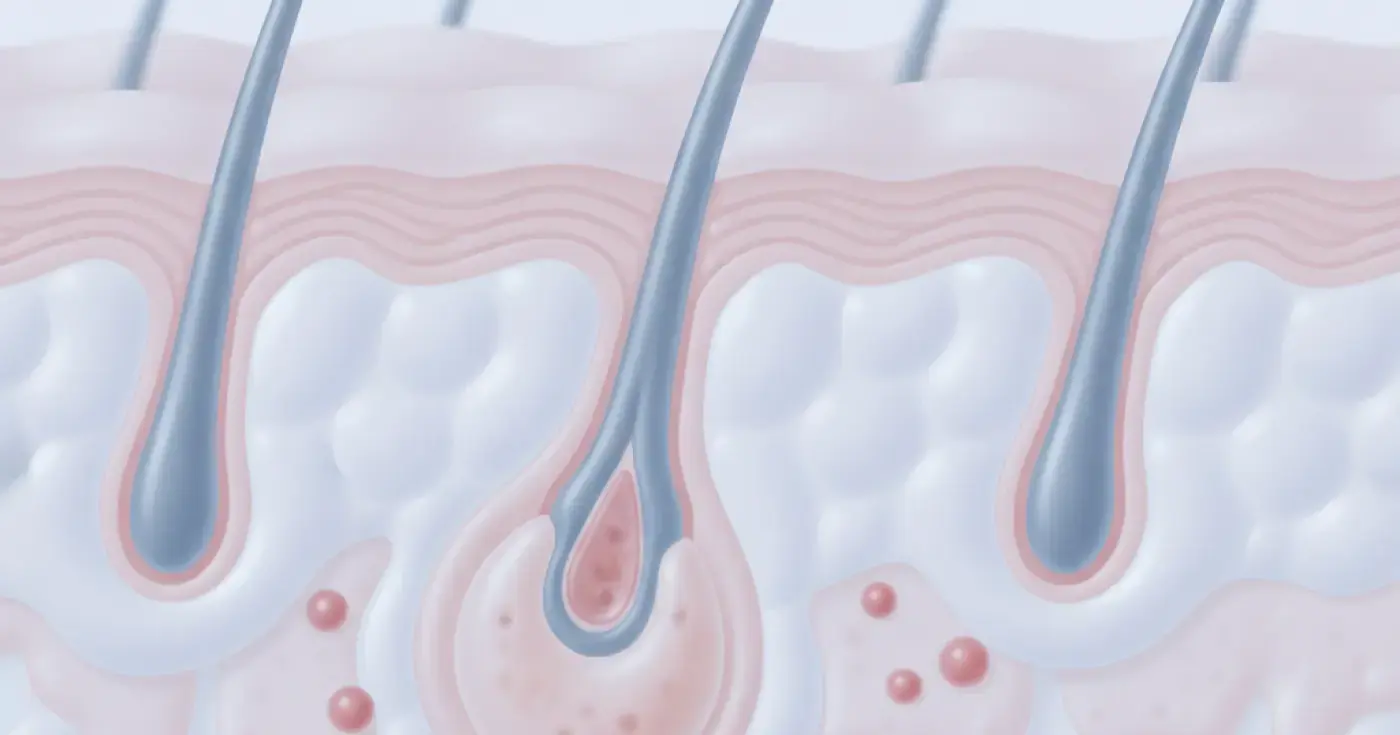
An illustrative guide showing different types of acne on the skin and their clinical treatments
Health education content
Sources are listed
Does not replace a clinician
Publication dates are transparent

Advertisement

Medical notice: this content is for health education and does not provide an individual diagnosis or replace appropriate medical consultation.

Introduction to Acne Vulgaris

Acne vulgaris is one of the most prevalent skin conditions globally, affecting not only adolescents but also adults at various stages of life. It occurs when hair follicles become clogged with dead skin cells and excess sebum (oil), creating an ideal environment for acne-causing bacteria to thrive and trigger inflammation. Because acne manifests differently in every individual, understanding the specific types of acne is the essential first step in determining an effective and safe acne treatment plan under professional medical supervision.

Classification of Acne by Severity

Dermatologists classify acne into three primary severity levels based on the number, type, and distribution of lesions:

  • Mild Acne: Characterized mainly by non-inflammatory lesions (blackheads and whiteheads) with very few small, superficial inflammatory pimples.
  • Moderate Acne: Presenting with a greater number of inflammatory papules and pustules covering wider areas of the face or body, with a mild risk of scarring.
  • Severe Acne: Defined by widespread, painful nodules and deep cysts. This type carries a high risk of permanent scarring and post-inflammatory hyperpigmentation if not treated promptly with systemic therapies.

Non-Inflammatory Acne Types

Non-inflammatory acne consists of clogged pores without active surrounding inflammation. These lesions typically respond well to topical treatments that promote cellular turnover:

1. Blackheads (Open Comedones)

These occur when the clogged pore remains open to the skin's surface. Exposure to air oxidizes the trapped sebum and melanin, turning it dark. This dark color is not caused by dirt, contrary to common misconceptions.

2. Whiteheads (Closed Comedones)

These form when dead skin cells and sebum completely block the pore opening just beneath the skin's surface, appearing as small, flesh-colored or white bumps.

Inflammatory Acne Types

Inflammatory acne develops when bacteria multiply within the blocked follicle, triggering an immune response and localized inflammation:

1. Papules

Small, red, solid bumps on the skin's surface that feel tender to the touch. They do not contain a visible head of pus at this stage.

2. Pustules

Similar to papules but distinguished by a visible white or yellow center filled with pus, representing the immune system's response to bacterial infection.

3. Nodules

Large, hard, painful lesions lodged deep within the skin. They require intensive medical treatment as they can damage surrounding tissues and lead to deep scars.

4. Cysts

The most severe form of acne, consisting of large, painful, fluid-filled lesions deep beneath the surface. They cause persistent discomfort, carry a high risk of scarring, and require immediate medical intervention.

Special Types of Acne

Beyond the standard classifications, certain acne presentations are linked to specific underlying causes:

  • Hormonal Acne: Driven by fluctuations in hormone levels (such as androgens). It is common in women before menstruation, during pregnancy, or due to conditions like Polycystic Ovary Syndrome (PCOS). It typically clusters around the jawline and chin. A physician may recommend hormone testing to identify underlying endocrine factors.
  • Acne Cosmetica: Triggered by the use of heavy, pore-clogging cosmetics or skincare products.
  • Acne Mechanica: Caused by continuous friction, heat, or pressure on the skin, often from sports helmets, tight clothing, or prolonged mask-wearing.

How Treatment Methods Differ

The choice of treatment depends on the type of acne, its severity, and the patient's skin type. The table below outlines the standard clinical approach to managing different acne presentations:

Acne TypeSeverityTopical Treatment OptionsOral / Systemic Treatment Options
Non-Inflammatory (Blackheads & Whiteheads)MildSalicylic acid, Topical retinoidsTypically not required
Mild to Moderate Inflammatory (Papules & Pustules)ModerateBenzoyl peroxide, Topical antibiotics, RetinoidsOral antibiotics (prescribed for a limited duration)
Severe Inflammatory (Nodules & Cysts)SevereUsed primarily as supportive therapy to reduce surface irritationOral Isotretinoin, Hormonal therapies (for female patients)

Topical Treatments for Acne

Topical therapies are the cornerstone of management for mild to moderate acne. Common active ingredients include:

  • Topical Retinoids: Vitamin A derivatives that regulate skin cell turnover and prevent follicles from becoming clogged.
  • Benzoyl Peroxide: An antimicrobial agent that targets acne-causing bacteria and helps gently exfoliate the skin.
  • Salicylic Acid (BHA): A lipid-soluble acid that penetrates deep into pores to dissolve excess sebum and cellular debris.
  • Topical Antibiotics: Such as clindamycin, used to reduce bacterial load and inflammation, often combined with benzoyl peroxide to prevent bacterial resistance.

Oral Treatments for Moderate to Severe Acne

When topical treatments prove insufficient, or in cases of severe acne, systemic medications may be prescribed:

  • Oral Antibiotics: Prescribed to control moderate to severe inflammatory acne. Usage is typically limited to short courses to prevent antibiotic resistance.
  • Oral Isotretinoin: The most effective treatment for severe nodulocystic acne or acne resistant to other therapies. It significantly reduces sebum production and shrinks sebaceous glands. Due to its potential side effects and teratogenicity, it requires strict medical monitoring and pregnancy prevention protocols.
  • Hormonal Therapies: Including specific oral contraceptives or anti-androgens, prescribed under medical supervision for female patients with acne linked to hormonal fluctuations.

Clinical Procedures and Advanced Technologies

In-office dermatological procedures can complement medical therapies and accelerate skin healing:

  • Chemical Peels: The application of medical-grade acids to exfoliate superficial skin layers and promote cellular renewal.
  • Laser and Light Therapies: Advanced modalities designed to target sebaceous glands, reduce inflammation, and lower bacterial levels.
  • Professional Extraction: Safe, sterile removal of comedones to prevent them from evolving into inflammatory lesions or causing scars.

Daily Skincare Guidelines for Acne-Prone Skin

A consistent, gentle daily routine supports medical treatments and helps prevent new breakouts. Patients are advised to follow structured skincare for oily skin and acne-prone types:

  • Wash the face twice daily with a gentle, oil-free cleanser formulated for acne-prone skin.
  • Avoid squeezing, popping, or picking at pimples, as this pushes inflammation deeper and increases the risk of scarring and hyperpigmentation.
  • Use lightweight, non-comedogenic moisturizers and broad-spectrum sunscreens daily.
  • Avoid heavy, oil-based cosmetics and ensure all makeup is thoroughly removed before sleep.

When to Consult a Dermatologist

It is highly recommended to consult a qualified dermatologist if acne is causing physical pain (such as deep nodules or cysts), if over-the-counter products fail to show improvement after 6 to 8 weeks, if lesions are leaving permanent scars or dark spots, or if the condition is significantly impacting self-esteem and emotional well-being.

Sources and References

  1. Ministry of Health Saudi Arabia
  2. World Health Organization
  3. MedlinePlus
  4. Centers for Disease Control and Prevention CDC
  5. American College of Obstetricians and Gynecologists ACOG

Clear, direct answers

Frequently Asked Questions

What is the main difference between blackheads and whiteheads?+
Blackheads are open comedones where the trapped sebum oxidizes upon contact with air, turning dark. Whiteheads are closed comedones where the pore is completely blocked just beneath the skin's surface, appearing as small, flesh-colored bumps.
Can severe acne be treated with natural remedies alone?+
No, severe acne (nodular and cystic) requires systemic medical treatments, such as oral isotretinoin, prescribed by a dermatologist to prevent permanent scarring. Natural remedies are insufficient for these deep lesions.
What is hormonal acne and where does it typically appear?+
Hormonal acne is linked to fluctuations in hormones (especially androgens). It is common in adult women and typically presents along the lower third of the face, including the jawline, chin, and upper neck.
Do chocolate and greasy foods cause acne?+
There is no conclusive scientific evidence proving that chocolate directly causes acne. However, high-glycemic diets and dairy products may exacerbate inflammation and worsen existing acne in some individuals.
How long does it take to see results from acne treatments?+
Most medical acne treatments require approximately 6 to 12 weeks of consistent, daily use before a significant, visible improvement in the skin can be observed.

Explore the topic

Related articles

  • Why Does Acne Appear? Main Causes and Risk FactorsElixir · Health Panorama
  • Acne: A Comprehensive Medical Guide to Causes, Types, and TreatmentsElixir · Health Panorama
  • Changing Birthmarks or Moles: When to See a DoctorElixir · Health Panorama

Elixir

Explore health content

Medical News

Browse Elixir sections and continue exploring content related to this article.

Medical NewsConsumer AwarenessInspiring Stories

Advertisement

Your opinion matters

Was this content helpful?

Have a note?

Comments require login.Log in
Loading comments
Loading related articles

Continue exploring

Related Articles

Why Does Acne Appear? Main Causes and Risk Factors

Why Does Acne Appear? Main Causes and Risk Factors

Discover the medical causes of acne, from hormonal shifts to genetics and lifestyle. Learn effective prevention and clinical treatments from LahaLak.

Read article
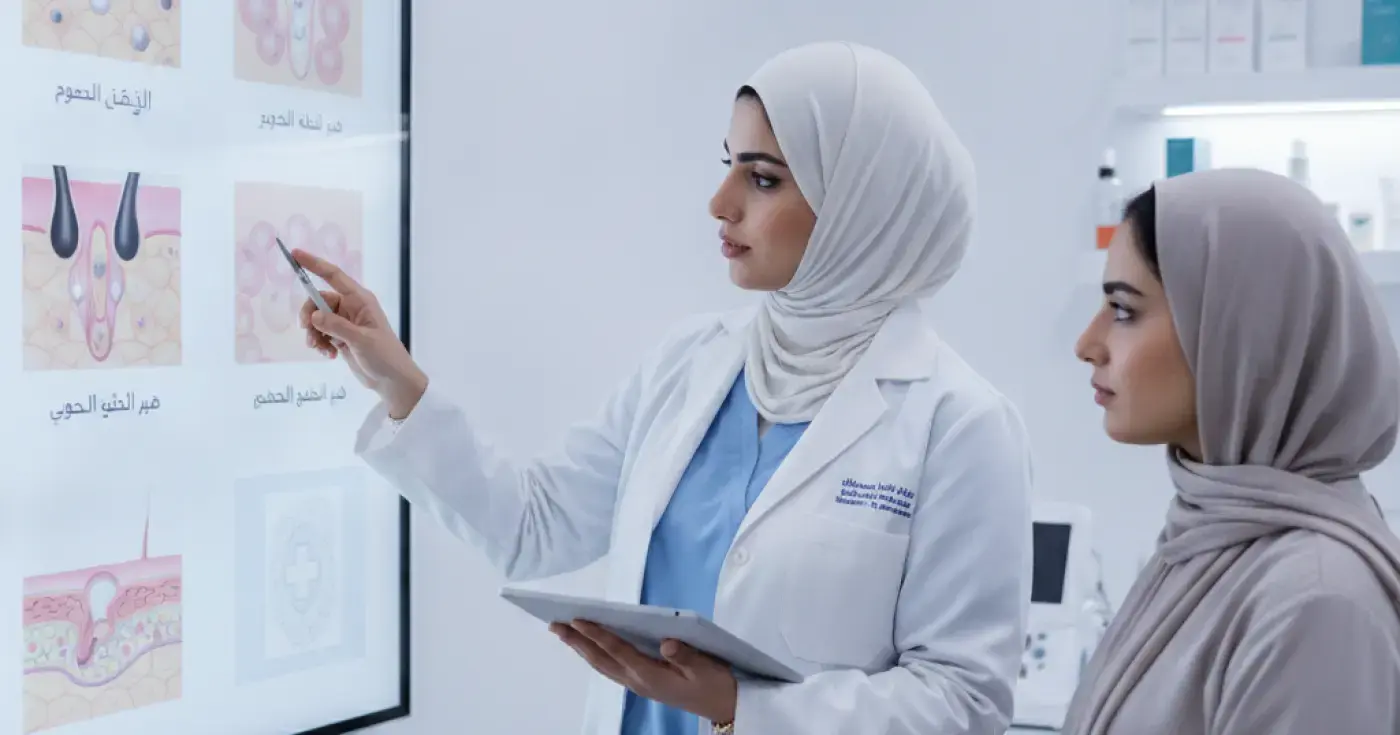
Acne: A Comprehensive Medical Guide to Causes, Types, and Treatments

Acne: A Comprehensive Medical Guide to Causes, Types, and Treatments

A comprehensive medical guide on acne: explore causes, clinical types, dermatologist-approved treatments, and daily skincare tips for healthy skin.

Read article
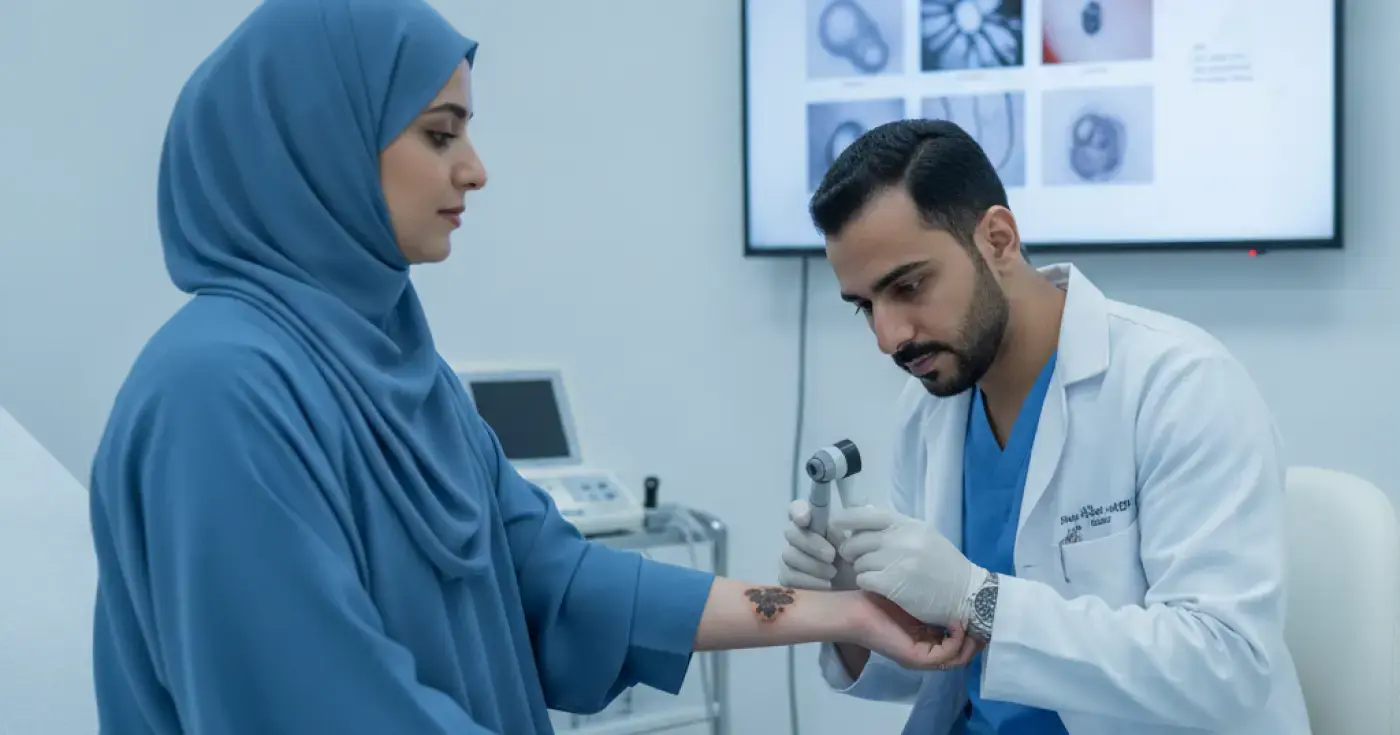
Changing Birthmarks or Moles: When to See a Doctor

Changing Birthmarks or Moles: When to See a Doctor

Learn why changes in birthmark or mole shape, size, or color require a dermatologist visit. Discover the ABCDE rule and skin self-exam tips.

Read article