
Lahalak Medical PlatformDifferentiate Care
Explore the science behind Platelet-Rich Plasma (PRP) therapy for skin rejuvenation and hair loss. Learn about benefits, clinical insights, and potential risks.

Advertisement
Platelet-Rich Plasma (PRP) therapy has gained significant prominence in aesthetic medicine and regenerative dermatology. This autologous procedure utilizes the patient's own blood components to stimulate natural healing processes and promote collagen production.
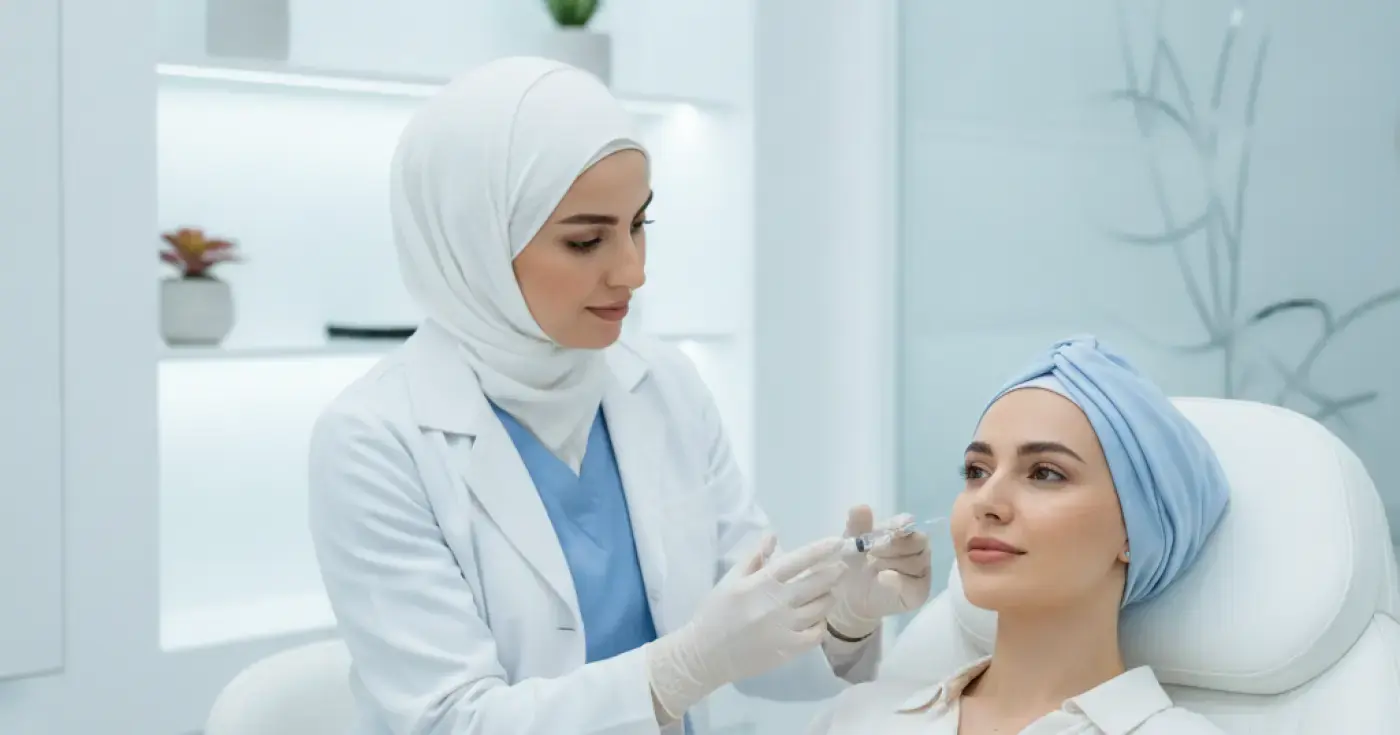
The procedure begins with drawing a small sample of the patient's blood, which is then placed in a centrifuge. This device spins the blood at high speeds to separate red and white blood cells from platelets and plasma. The resulting concentrated plasma, rich in growth factors, is then reinjected into target areas to accelerate tissue repair and cellular regeneration.
PRP is commonly recommended for individuals experiencing early-stage androgenetic alopecia (hair loss), skin dullness, fine lines, and superficial acne scars. The suitability of this treatment is determined through a comprehensive clinical evaluation by a specialist.
In daily clinical practice, patients frequently inquire about the level of discomfort and the timeline for visible improvements. Experience shows that results are gradual, typically requiring several weeks as growth factors stimulate cellular renewal. Clinicians focus on managing expectations and assessing individual health histories during consultations.
Although using autologous blood minimizes the risk of allergic reactions, PRP therapy is not entirely risk-free. Potential side effects include temporary redness, mild swelling, and bruising at the injection sites. Rare complications such as localized infection may occur if strict aseptic techniques are not maintained. Risks vary based on individual skin characteristics and adherence to post-care instructions.
To optimize outcomes and minimize side effects, patients should stay well-hydrated before the procedure and consult their physician regarding the temporary suspension of blood-thinning medications. Post-treatment, it is essential to avoid direct sun exposure and refrain from applying harsh cosmetic products for at least 24 hours.
The information provided in this article is for educational purposes only and does not constitute medical advice, diagnosis, or treatment. Always consult a qualified dermatologist or healthcare provider for personalized clinical guidance.
Clear, direct answers
Advertisement
Continue exploring
Discover the medical truth behind the Glass Skin trend and Skin Boosters. Learn about the benefits, potential risks, and realistic expectations from dermatologists.
Read article
Explore the science, history, benefits, and potential risks of Skin Boosters. Read clinical insights and safety tips in this comprehensive medical guide.
Read article
Discover the scientific facts and potential risks of face and lip fillers. Learn the difference between medical restoration and commercial advertising pressures.
Read articleExplore the topic
The Glass Skin Phenomenon and Skin Boosters: A Transparent Medical GuideElixir · Health PanoramaSkin Boosters: A Comprehensive Medical Guide on Evolution, Efficacy, and Clinical RealitiesElixir · Health PanoramaDermal Fillers between Medical Restoration and Commercial Pressure: A Critical Scientific PerspectiveElixir · Consumer Awareness