
Lahalak Medical PlatformDifferentiate Care
Explore the science, history, benefits, and potential risks of Skin Boosters. Read clinical insights and safety tips in this comprehensive medical guide.

Advertisement
In recent years, the field of aesthetic medicine has witnessed a paradigm shift. The focus has moved from merely masking imperfections with cosmetics to actively improving skin health and quality from within. Skin Boosters have emerged at the forefront of this movement, offering deep hydration and revitalization without the need for invasive surgical procedures.
The history of dermal rejuvenation dates back several decades, beginning with early attempts using bovine collagen in the late 20th century. With biotechnological advancements, Hyaluronic Acid (HA) emerged as a safer, highly biocompatible alternative. Initially, HA was utilized primarily as a structured dermal filler to restore volume and fill deep wrinkles. However, researchers soon discovered that non-cross-linked or minimally cross-linked HA could attract water and stimulate fibroblasts to produce natural collagen without adding volume. This clinical breakthrough led to the development of modern Skin Boosters in the early 2000s.
The exponential growth in demand for Skin Boosters is driven by several social and technological factors:
Scientifically, Skin Boosters consist of micro-injections of hyaluronic acid, often combined with essential vitamins, amino acids, minerals, or antioxidants. When injected into the superficial to mid-dermis, these substances act as micro-sponges, absorbing and retaining water. This process provides intense, long-lasting hydration, which optimizes the cellular environment, stimulates collagen and elastin synthesis, and improves overall skin texture and elasticity.
In clinical practice, practitioners find that the most common patient concerns involve pain during injection and post-treatment downtime. During consultation, doctors explain that a topical anesthetic is typically applied to ensure patient comfort. A thorough clinical assessment is vital, as treatment protocols must be customized based on skin type, degree of dehydration, and age. A common misconception is that Skin Boosters deliver permanent, instant results; clinical reality shows that improvement is gradual and usually requires a series of initial sessions for optimal outcomes.
As with any minimally invasive medical procedure, Skin Boosters carry potential risks and side effects. These risks vary from patient to patient depending on individual health status, medical history, practitioner expertise, and adherence to sterile protocols. Potential complications include:
To minimize these risks, it is crucial to undergo treatment only by a licensed, qualified medical professional in an accredited clinical setting.
To ensure a safe and successful treatment outcome, patients should:
The information provided in this article is for educational and informational purposes only and does not constitute medical advice or a formal diagnosis. Always consult a qualified physician for personalized medical evaluation and treatment recommendations.
Clear, direct answers
Advertisement
Continue exploring
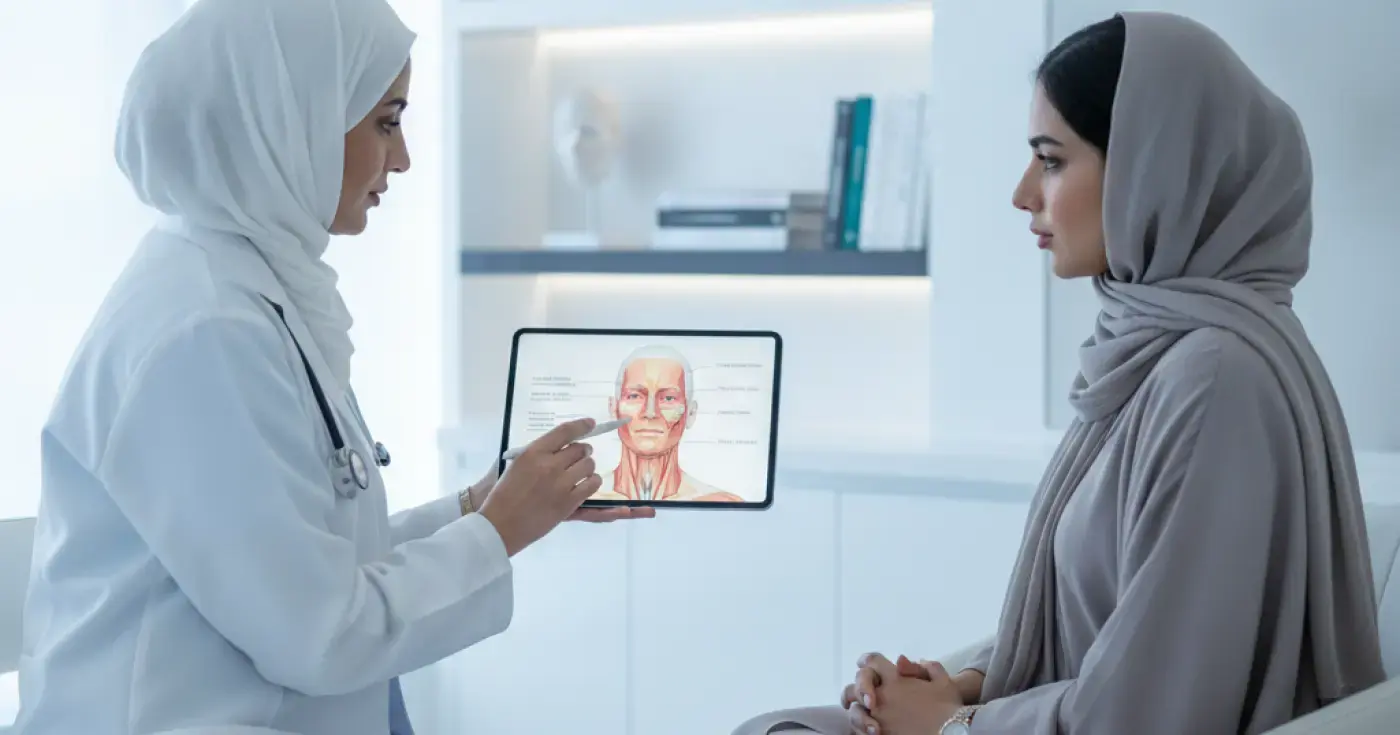
Discover the scientific facts and potential risks of face and lip fillers. Learn the difference between medical restoration and commercial advertising pressures.
Read article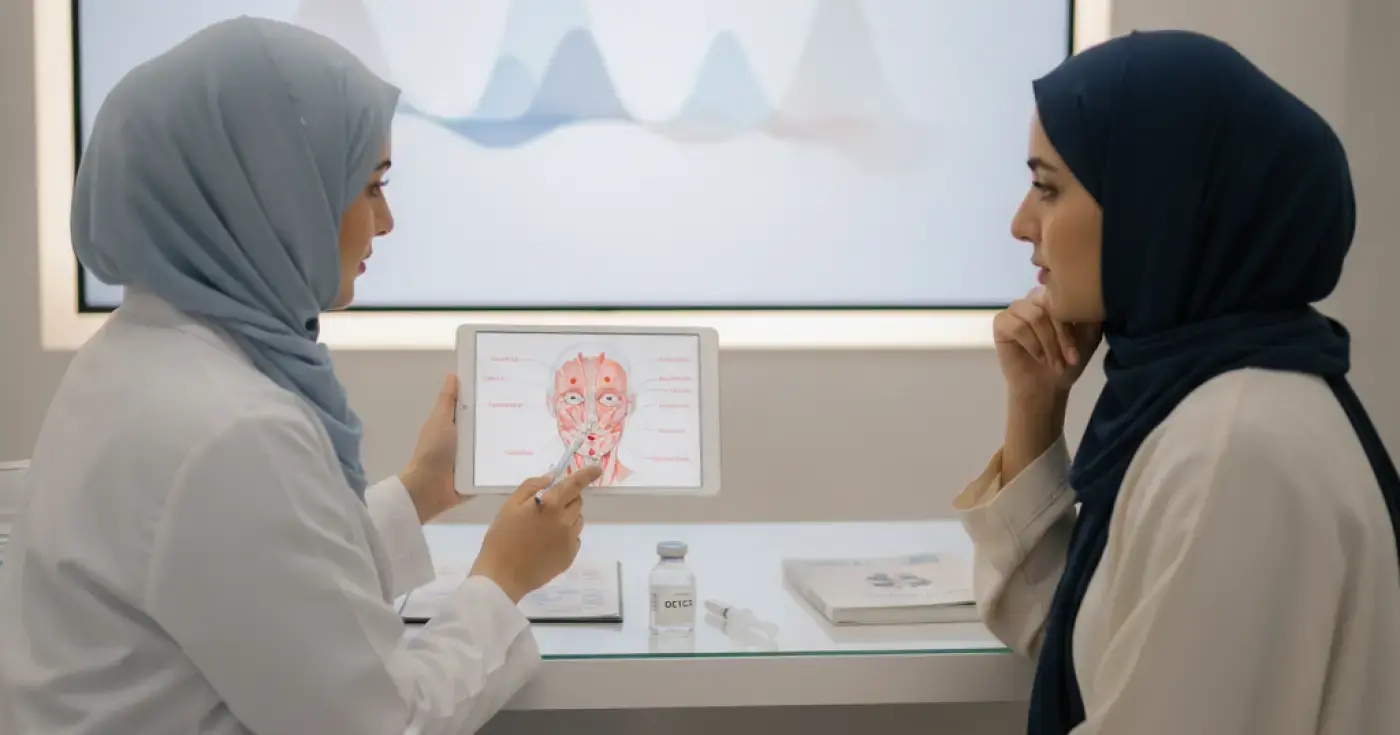
Discover the medical facts about Botox, its potential complications, and how social media influences unnecessary cosmetic procedures in young women.
Read article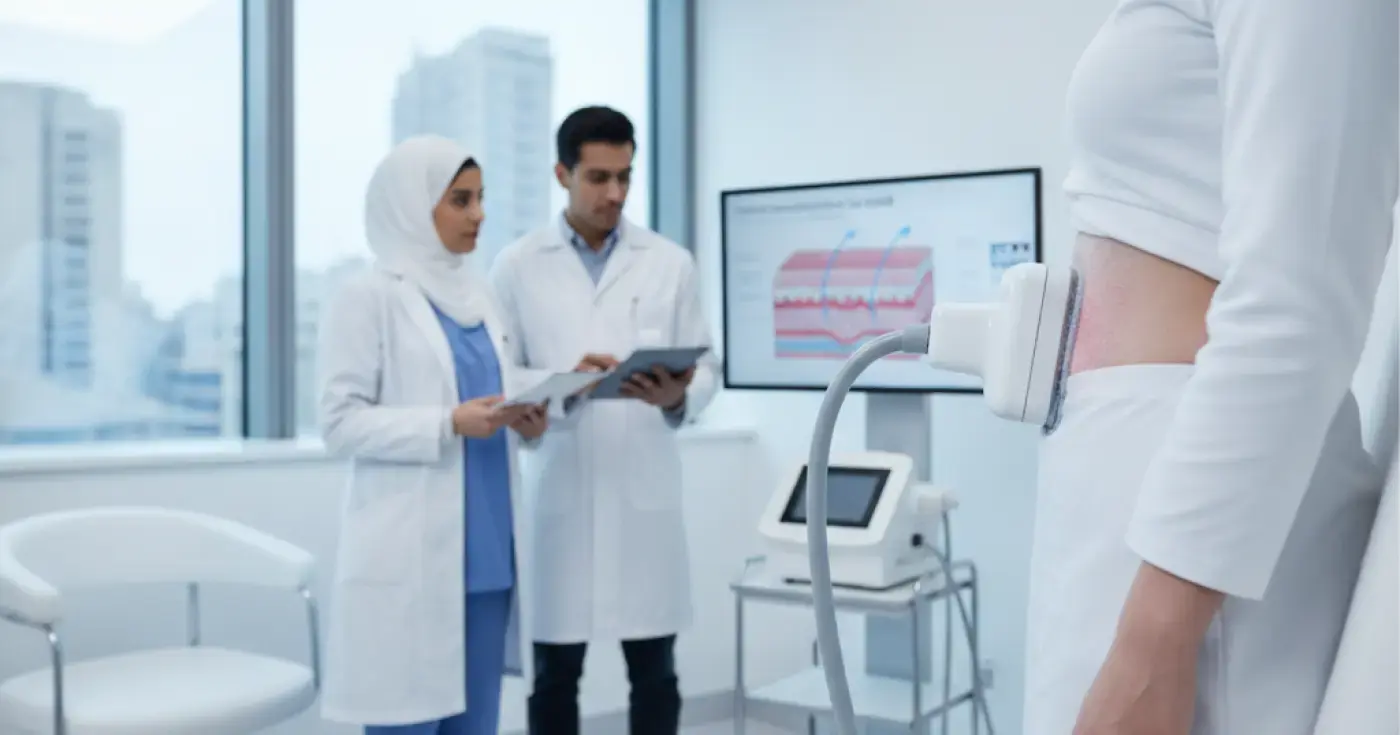
A comprehensive medical guide on Cryolipolysis (body contouring). Learn about the science, candidate selection, potential risks, and clinical outcomes.
Read articleExplore the topic
Dermal Fillers between Medical Restoration and Commercial Pressure: A Critical Scientific PerspectiveElixir · Consumer AwarenessBotox Between Social Pressure and Medical Reality: A Critical GuideElixir · Consumer AwarenessBody Contouring (Cryolipolysis): A Comprehensive and Objective Medical GuideElixir · Health Panorama