
Lahalak Medical PlatformDifferentiate Care
A comprehensive medical guide on Cryolipolysis (body contouring). Learn about the science, candidate selection, potential risks, and clinical outcomes.
Advertisement
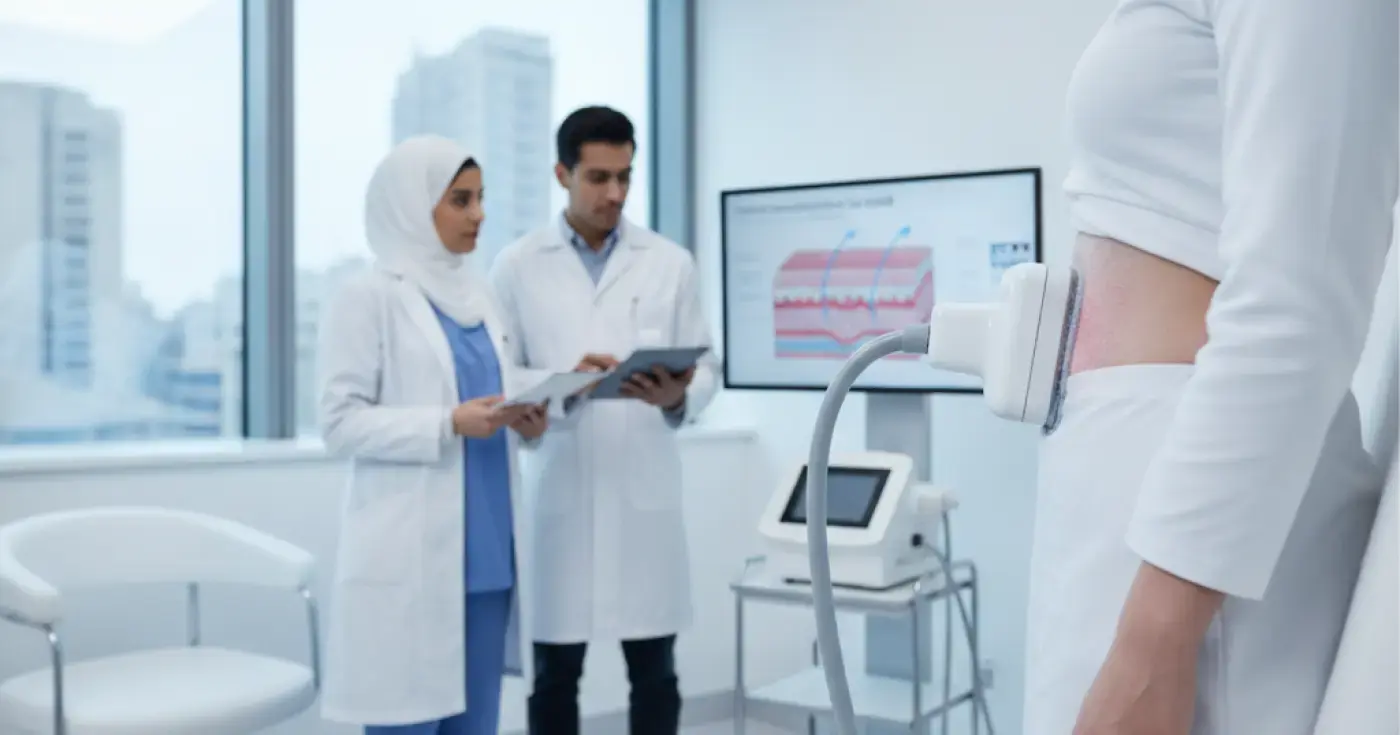
Non-invasive aesthetic procedures have advanced significantly in recent years, with Cryolipolysis (commonly known as fat freezing) leading the way. This technology targets stubborn, localized fat deposits that resist diet and exercise, using controlled cooling to freeze and eliminate fat cells without damaging surrounding tissues.
Cryolipolysis is based on the scientific premise that subcutaneous fat cells are naturally more vulnerable to the effects of cold than other surrounding tissues, such as skin, nerves, and muscles. When the cooling applicator is applied, it crystallizes the lipids within the fat cells, triggering programmed cell death (apoptosis). Over the following weeks and months, the body naturally processes and eliminates these dead cells through the lymphatic system.
It is crucial to emphasize that Cryolipolysis is not a weight-loss solution or a treatment for obesity. Instead, it is designed for individuals near their ideal body weight who have localized fat bulges in specific areas like the abdomen, flanks, thighs, or under the chin. A thorough consultation with a qualified physician is necessary to evaluate candidacy and set realistic expectations.
In daily clinical practice, patients often express concerns regarding discomfort and the timeline for visible results. During the initial minutes of the procedure, patients typically experience intense cold and a pulling sensation from the vacuum applicator, which subsides as the area becomes numb. Dermatologists note that managing expectations is the most critical part of the consultation; results develop gradually and require a healthy lifestyle to be maintained.
Although Cryolipolysis is cleared as a relatively safe, non-surgical procedure, it carries potential side effects that vary from patient to patient. Common temporary side effects include redness, swelling, bruising, and localized numbness. A rare but serious complication is Paradoxical Adipose Hyperplasia (PAH), where the treated fat area grows larger rather than smaller, requiring alternative medical intervention. Risks are minimized when the procedure is performed by trained professionals using approved medical devices.
To ensure a safe and effective treatment experience, patients should consider the following: first, choose a licensed medical facility with certified practitioners. Second, strictly follow pre- and post-treatment instructions, such as avoiding certain blood-thinning medications and gently massaging the area if advised. Lastly, maintain a balanced diet and regular exercise to prevent new fat accumulation in other areas.
The information provided in this article is for educational purposes only and does not constitute medical advice or a formal diagnosis. Always consult a qualified healthcare provider to discuss your individual health needs and treatment options.
Clear, direct answers
Advertisement
Continue exploring
Discover how HIFU works for non-surgical skin tightening. Read our comprehensive medical guide on benefits, potential side effects, and clinical advice.
Read article
Discover the medical facts about Botox, its potential complications, and how social media influences unnecessary cosmetic procedures in young women.
Read article