Lahalak Medical PlatformDifferentiate Care
Discover how HIFU works for non-surgical skin tightening. Read our comprehensive medical guide on benefits, potential side effects, and clinical advice.
Advertisement
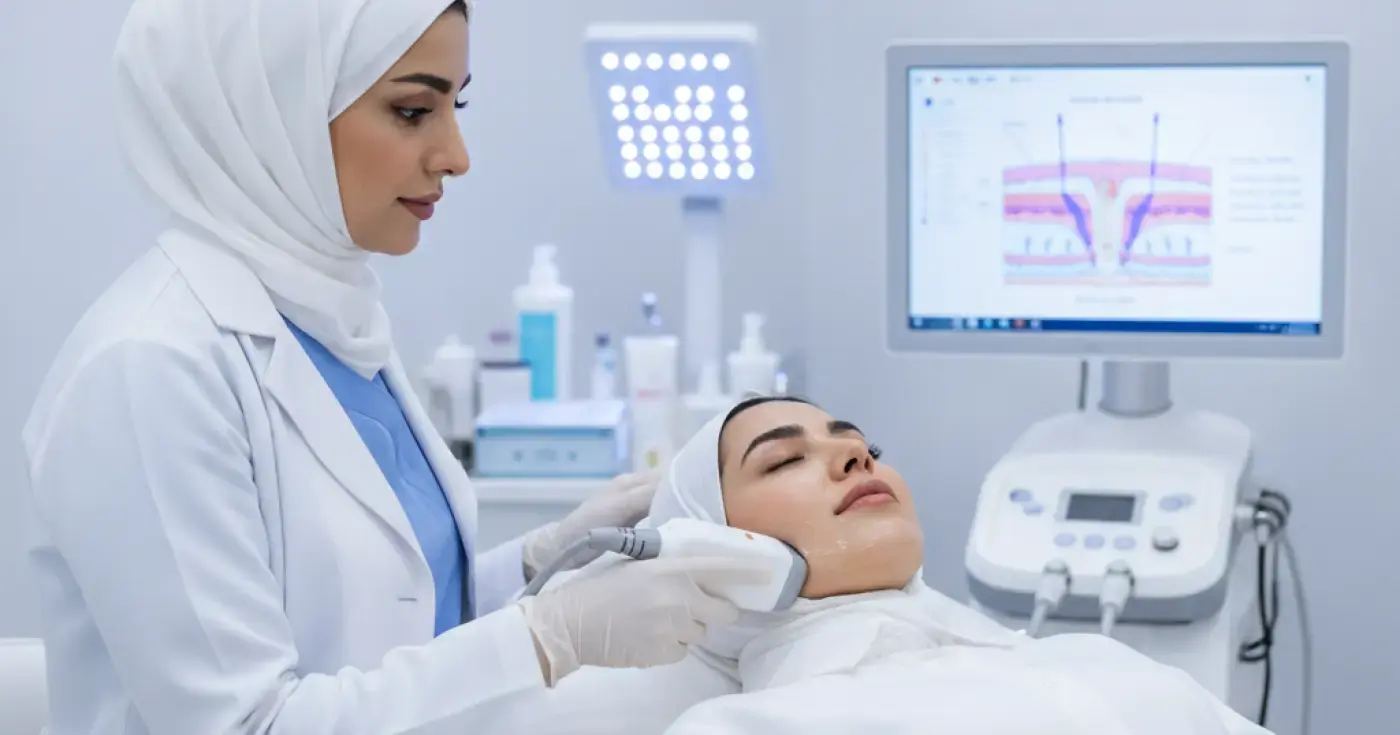
High-Intensity Focused Ultrasound (HIFU) has emerged as a leading non-invasive treatment for skin tightening and lifting. This advanced technology aims to stimulate natural collagen production, offering a non-surgical alternative to traditional facelifts.
HIFU delivers precise, focused ultrasound energy to the deep structural layers of the skin, including the Superficial Muscular Aponeurotic System (SMAS) layer. By delivering targeted thermal energy, it induces micro-coagulation zones, which trigger the body's natural healing response to produce fresh collagen and elastin, gradually tightening and lifting the skin.
HIFU is typically recommended for individuals with mild-to-moderate skin laxity, such as mild sagging on the neck, jowls, or brow area. It is highly suitable for those looking for subtle rejuvenation without the downtime associated with surgery. A professional consultation is essential to determine if you are a suitable candidate.
In clinical practice, patients often express concerns regarding discomfort during the procedure. Most describe the sensation as a mild tingling or warm prickly feeling deep within the skin. Another common misconception is expecting instant, dramatic surgical-like results. We always emphasize to our patients that collagen regeneration is a gradual process, with optimal improvements appearing over several months.
While HIFU is non-invasive, it is not entirely free of potential side effects. These risks vary depending on individual skin characteristics, medical history, and the practitioner's expertise. Common temporary side effects include mild redness, slight swelling, tenderness, or temporary numbness. Choosing a qualified professional and adhering to post-treatment care significantly reduces the risk of complications.
To support optimal healing and results, patients are advised to avoid direct sun exposure, apply broad-spectrum sunscreen daily, keep the skin well-hydrated, and avoid harsh chemical exfoliants or active skincare ingredients for a few days post-treatment, as directed by their dermatologist.
The information provided in this article is for educational purposes only and does not substitute for professional medical advice, diagnosis, or treatment. Always consult with a qualified healthcare provider regarding any medical condition.
Clear, direct answers
Advertisement
Continue exploring
Explore the topic