
Lahalak Medical PlatformDifferentiate Care
Discover the medical truth behind the Glass Skin trend and Skin Boosters. Learn about the benefits, potential risks, and realistic expectations from dermatologists.
Advertisement
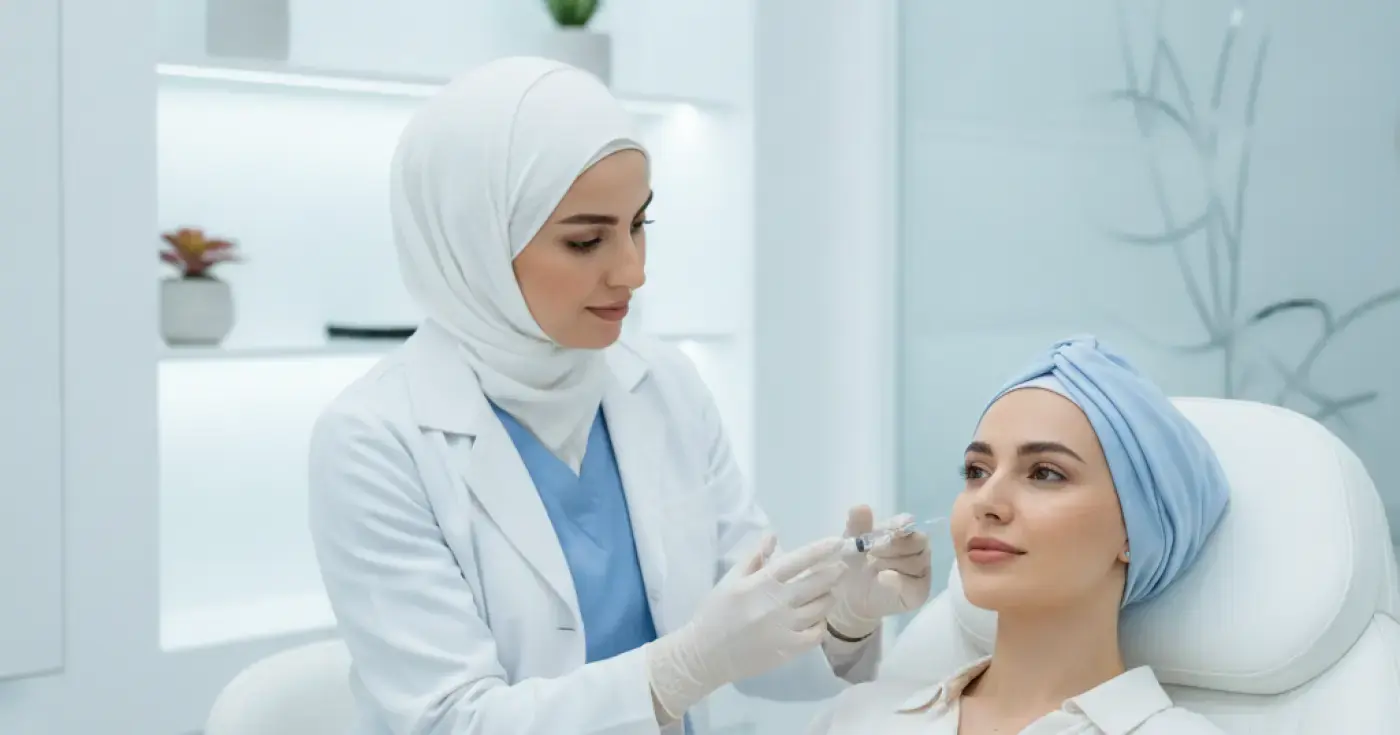
The "Glass Skin" trend has taken the skincare and beauty world by storm, originating from South Korea. This trend describes skin that is exceptionally smooth, flawless, and intensely hydrated, to the point where it appears translucent and reflective like glass. With the rise of this phenomenon on social media, many have developed an intense desire to achieve this flawless look. However, this trend must be examined through a realistic and transparent medical lens. Natural, healthy skin has pores, produces sebum, and is influenced by genetics and environmental factors. The flawless images seen online are often the result of digital filters and professional lighting, creating unrealistic expectations. In this context, medical treatments like Skin Boosters emerge as effective tools to deeply hydrate and improve skin quality, rather than acting as a magical cure that erases the natural anatomy of human skin.
From a medical standpoint, skin cannot literally become glass-like, but we can optimize its health and radiance. Skin Boosters play a pivotal role in this process. This micro-injection technique delivers micro-droplets of non-crosslinked hyaluronic acid into the superficial and mid-dermis. Unlike traditional dermal fillers used for volumizing and contouring, skin boosters act as a moisture magnet, attracting and retaining water within the skin cells. In addition to hyaluronic acid, these boosters may contain a blend of vitamins, minerals, amino acids, peptides, or polynucleotides. Together, these ingredients stimulate the natural production of collagen and elastin, improving skin elasticity, smoothing fine lines, and giving the skin a healthy, radiant glow that reflects light beautifully.
The decision to undergo a skin booster treatment should always begin with a consultation with a board-certified dermatologist. It is recommended to seek professional advice when the skin suffers from chronic dehydration that does not respond to topical moisturizers, or when noticing dullness and a loss of vitality due to stress, lack of sleep, or aging. This treatment is also beneficial for individuals experiencing uneven skin texture or early fine lines. The dermatologist will evaluate your skin type, assess the integrity of the skin barrier, and ensure there are no contraindications, such as active infections or chronic skin conditions in the target area, before designing a customized treatment plan tailored to your specific needs.
In daily clinical practice, dermatologists frequently observe a significant gap between patient expectations and medical reality. Many patients arrive with digitally altered photos, requesting immediate "glass skin." During the consultation, the dermatologist's role is to explain that healthy human skin naturally has texture and pores, which are essential for its physiological functions. Doctors emphasize that skin boosters are a cumulative treatment designed to improve skin quality from within, and achieving optimal results requires patience and multiple sessions (typically 2 to 3 sessions spaced a few weeks apart). Patients who undergo the treatment often report a high level of satisfaction, noting a significant improvement in skin suppleness and hydration, while realizing that the true goal is healthy, glowing skin rather than a poreless, filter-like appearance.
Like any minimally invasive medical procedure involving needles, skin booster injections carry potential risks and complications that patients must understand and discuss with their doctor. These risks vary from one individual to another based on general health, medical history, the specific product used, and the injector's expertise. Common, temporary side effects include mild redness, swelling at the injection sites, and minor bruising, which typically resolve within a few days. Less common but more serious complications include bacterial infections due to compromised sterile techniques, the formation of small nodules under the skin, or allergic reactions to the injected substances. In very rare cases, accidental vascular occlusion can occur if the product is injected into a blood vessel. Therefore, strict adherence to pre- and post-treatment instructions—such as avoiding blood thinners before the procedure and refraining from touching the face or applying makeup immediately after—is crucial to minimizing risks and ensuring safety.
To maintain healthy, radiant skin in the long term, clinical treatments must be supported by a balanced daily skincare routine that protects the skin barrier. First, cleanse the skin with a gentle, non-stripping cleanser. Second, daily hydration using moisturizers containing ceramides and hyaluronic acid is essential to lock in moisture. Third, apply a broad-spectrum sunscreen daily to protect the skin from UV damage, which accelerates aging and degrades collagen. Fourth, stay well-hydrated by drinking enough water, eat a diet rich in antioxidants, and get adequate sleep. Finally, avoid over-exfoliating with harsh acids, which can damage the skin barrier and lead to chronic inflammation.
Please note that the information provided in this article is for educational and informational purposes only and should not be considered a medical diagnosis or a substitute for professional medical advice. Any medical or cosmetic decision should be made after a direct, personal evaluation by a qualified dermatologist to ensure your safety and to achieve the best results for your unique skin condition.
Clear, direct answers
Advertisement
Continue exploring
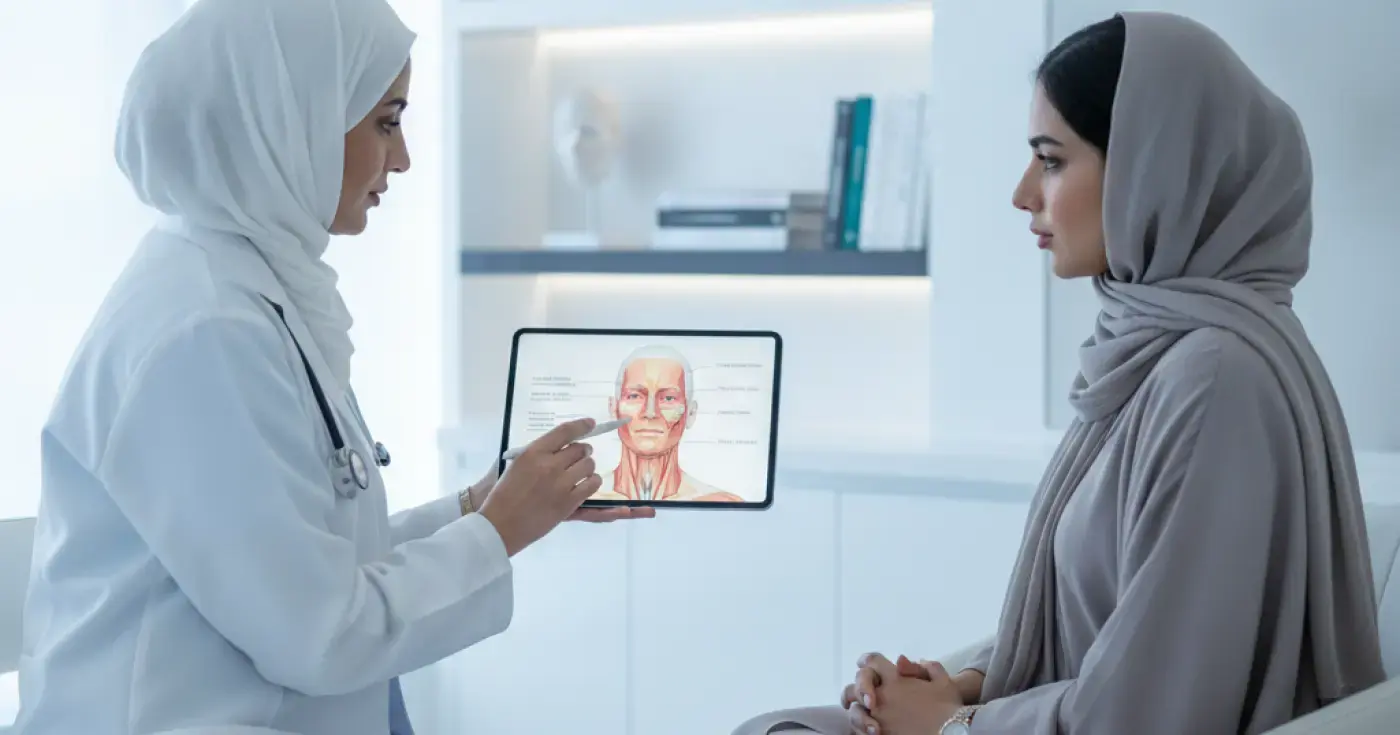
Discover the scientific facts and potential risks of face and lip fillers. Learn the difference between medical restoration and commercial advertising pressures.
Read article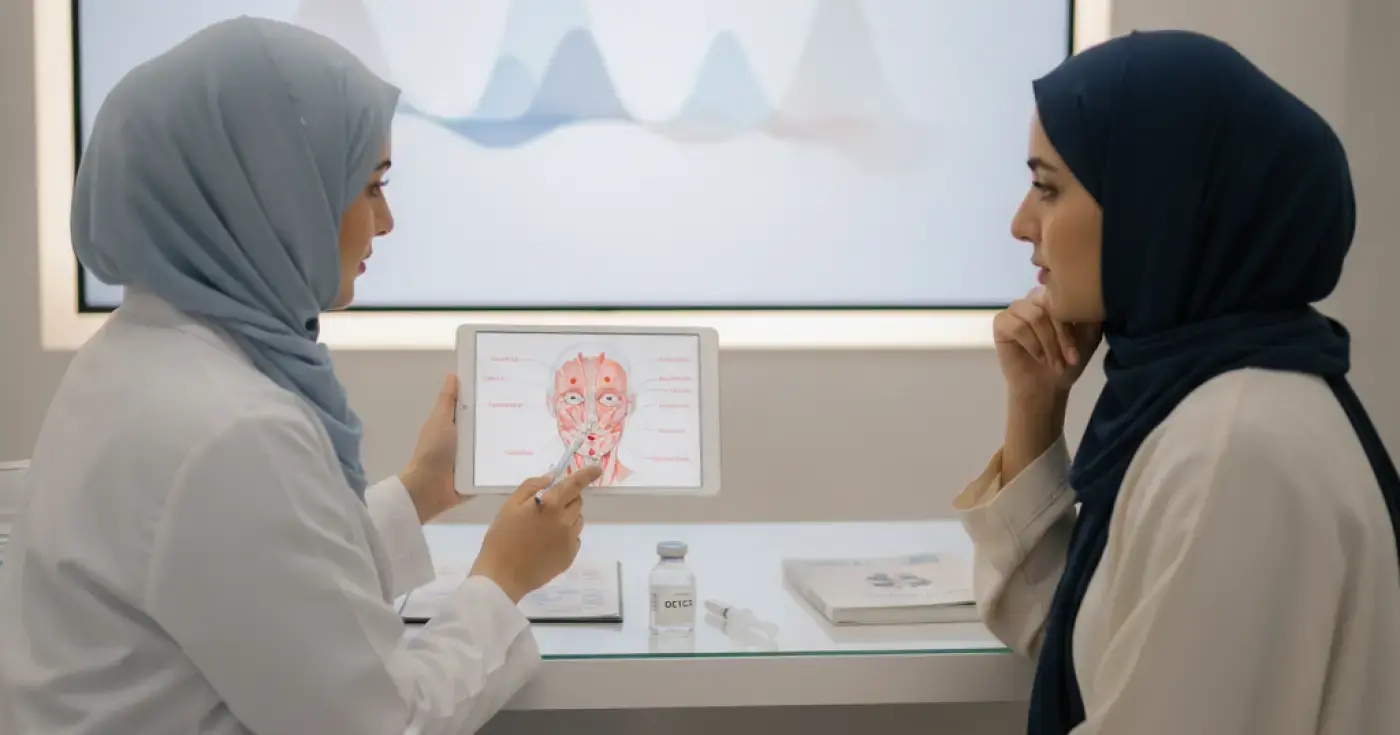
Discover the medical facts about Botox, its potential complications, and how social media influences unnecessary cosmetic procedures in young women.
Read article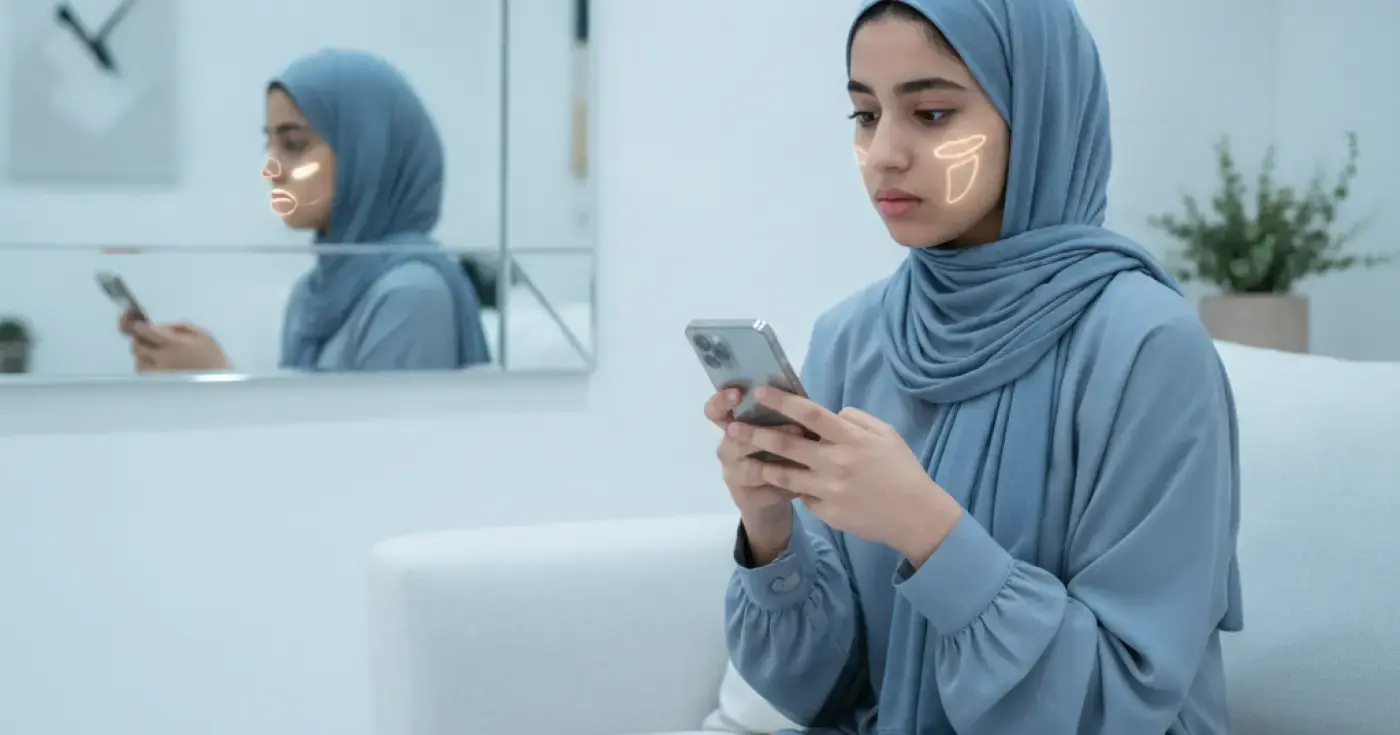
Learn about the psychological and scientific impact of social media on teenagers' body image, the drivers for seeking fillers, and the medical risks involved.
Read articleExplore the topic
Dermal Fillers between Medical Restoration and Commercial Pressure: A Critical Scientific PerspectiveElixir · Consumer AwarenessBotox Between Social Pressure and Medical Reality: A Critical GuideElixir · Consumer AwarenessThe Impact of the Virtual World on Teenagers' Body Image: Fillers and Aesthetics in the Digital AgeElixir · Consumer Awareness