
Lahalak Medical PlatformDifferentiate Care
Discover how Platelet-Rich Plasma (PRP) therapy works for hair thinning. Learn about results, side effects, and clinical expectations.
Advertisement
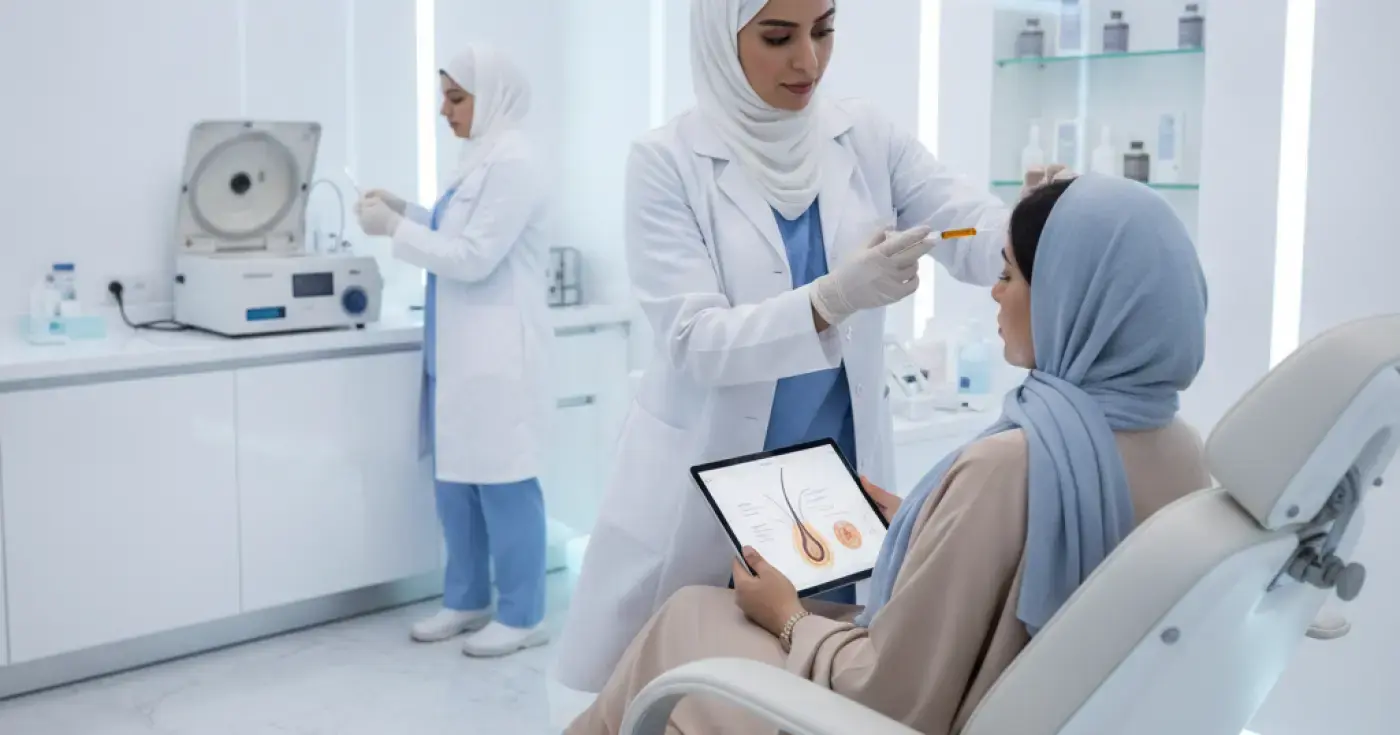
Hair thinning and loss of density are common concerns affecting both women and men globally. Within the evolving field of aesthetic medicine and dermatology, PRP for hair has emerged as a leading non-surgical, regenerative treatment. This technique utilizes the body's own healing mechanisms to stimulate dormant hair follicles and encourage healthy hair growth.
Platelet-Rich Plasma (PRP) is an autologous substance extracted from the patient's own blood. Through specialized centrifugation, platelets are concentrated to release essential growth factors and proteins. These components play a vital role in tissue repair and cellular regeneration, making PRP an excellent therapeutic option for individuals experiencing early-stage hair thinning or pattern baldness.
The therapeutic efficacy of PRP lies in the high concentration of growth factors (such as PDGF, TGF-beta, VEGF, and EGF) injected directly into the scalp. Once introduced into the dermal layer, these growth factors perform several key functions:
While PRP is highly beneficial, it is not a one-size-fits-all solution. Clinical studies indicate that the best candidates for PRP therapy include:
PRP is generally less effective for areas with complete baldness where hair follicles have completely atrophied or scarred. A thorough scalp examination by a qualified dermatologist is essential to determine suitability.
A typical PRP session is a quick, safe, in-office procedure that takes approximately 45 to 60 minutes. The process involves the following steps:
To help you understand where PRP stands among available options, the table below compares PRP with topical Minoxidil and hair transplantation:
| Feature | PRP Therapy | Topical Minoxidil | Hair Transplant |
|---|---|---|---|
| Procedure Type | Non-surgical, autologous clinical treatment | Daily topical home application | Surgical cosmetic procedure |
| Mechanism | Stimulates follicles with natural growth factors | Vasodilation and prolonged growth phase | Relocating healthy follicles to bald areas |
| Target Group | Early to moderate thinning and shedding | Pattern baldness and general thinning | Advanced baldness and empty scalp areas |
| Side Effects | Minimal and temporary (mild soreness, redness) | Scalp irritation, dryness, initial shedding | Requires recovery time, minor surgical risks |
| Maintenance | Requires periodic maintenance sessions | Must be used continuously to maintain results | Permanent results for transplanted follicles |
Patience is key when undergoing hair loss treatment with PRP, as hair growth cycles take time. Initial improvements, such as a reduction in daily hair shedding and improved hair texture, are typically noticed after the second or third session (around 3 to 4 months from starting).
Visible increases in hair density and the filling of thin areas generally become apparent between 6 to 12 months. Dermatologists usually recommend an initial protocol of 3 to 4 sessions spaced 4 weeks apart, followed by maintenance sessions every 6 to 12 months to sustain follicle vitality and long-term density.
Because PRP uses the patient's own blood, the risk of allergic reactions, rejection, or disease transmission is virtually non-existent. However, as with any injection-based procedure, minor and temporary side effects may occur, including:
To minimize any risk of infection, always ensure your treatment is performed in a licensed medical clinic that adheres to strict sterilization and hygiene protocols.
To maximize the benefits of your PRP session and ensure a smooth recovery, follow these clinical guidelines:
The success of PRP therapy depends on several factors, including the quality of the centrifugation system used to concentrate the platelets, the doctor's injection technique, and the patient's overall health. Nutritional deficiencies can limit the effectiveness of the growth factors.
A thorough dermatologist will often request a complete blood count and check levels of iron, ferritin, vitamin D, and thyroid hormones before starting treatment. Addressing any underlying deficiencies alongside PRP sessions ensures the best possible environment for hair restoration.
In conclusion, PRP therapy is a highly effective, safe, and supportive option for increasing hair density and combating hair loss, particularly when initiated early. While it is not a permanent cure for genetic hair loss, it offers a scientifically backed way to rejuvenate thinning hair. Consulting a qualified dermatologist is the most important step to evaluate your scalp health and design a personalized treatment plan tailored to your needs.
Clear, direct answers
Advertisement
Continue exploring
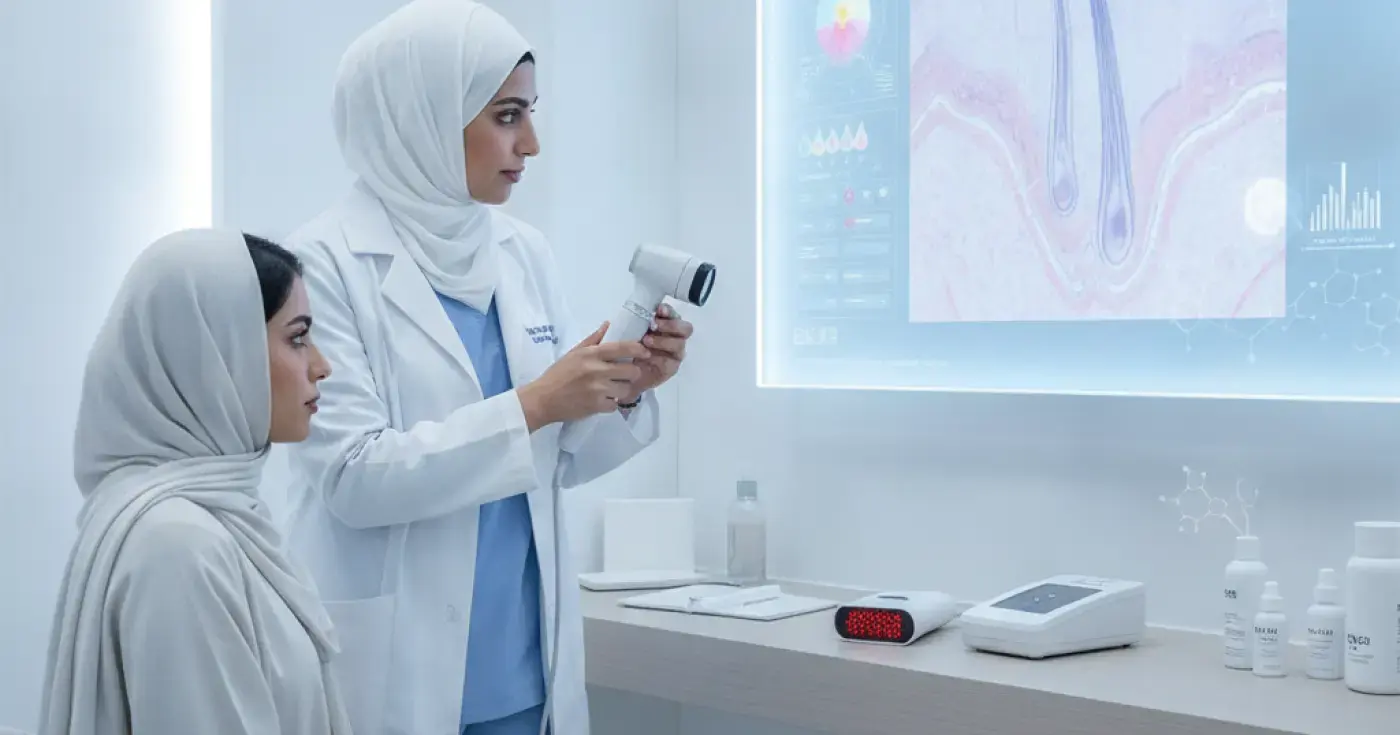
Explore advanced medical treatments for hair loss and thinning, including PRP, exosomes, and modern transplant techniques. Expert dermatological insights.
Read article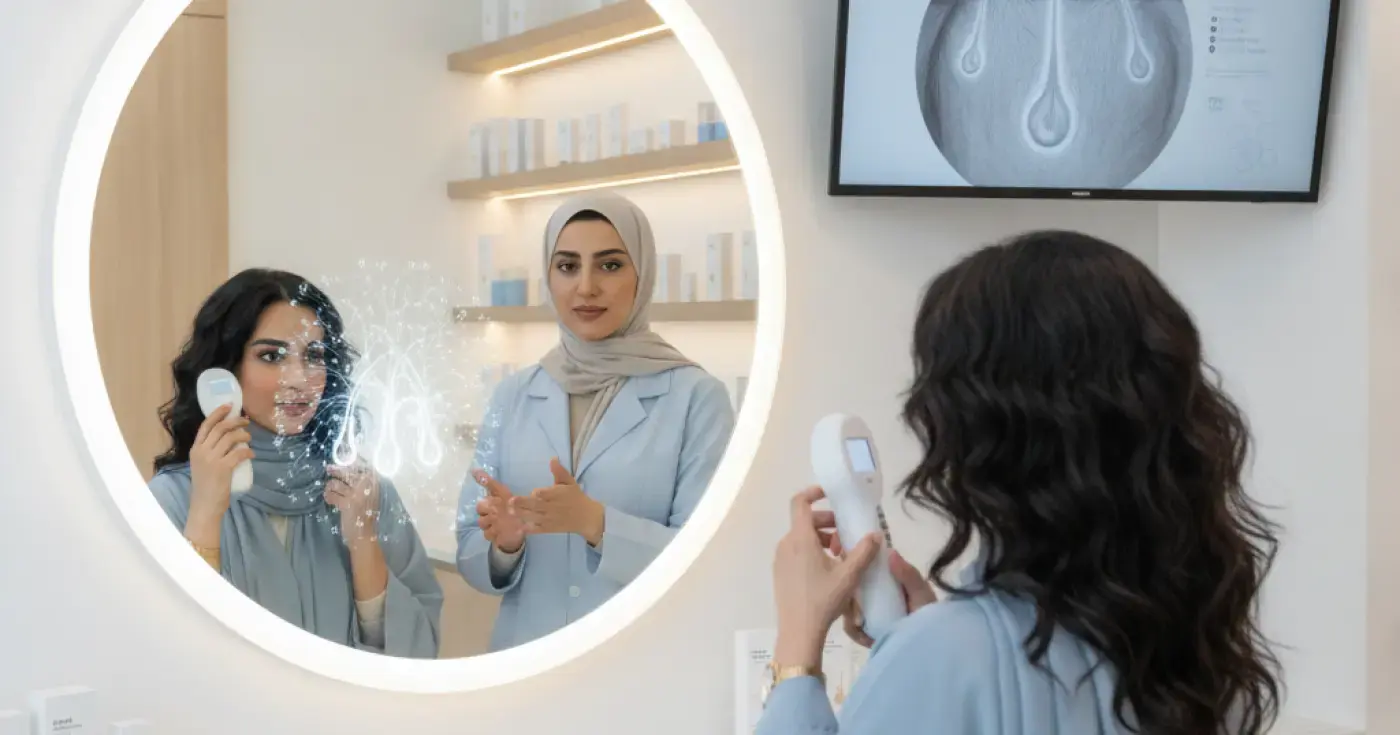
Explore clinically proven treatments for hair thinning, from topical therapies to PRP and transplants. Learn how to restore hair density safely.
Read article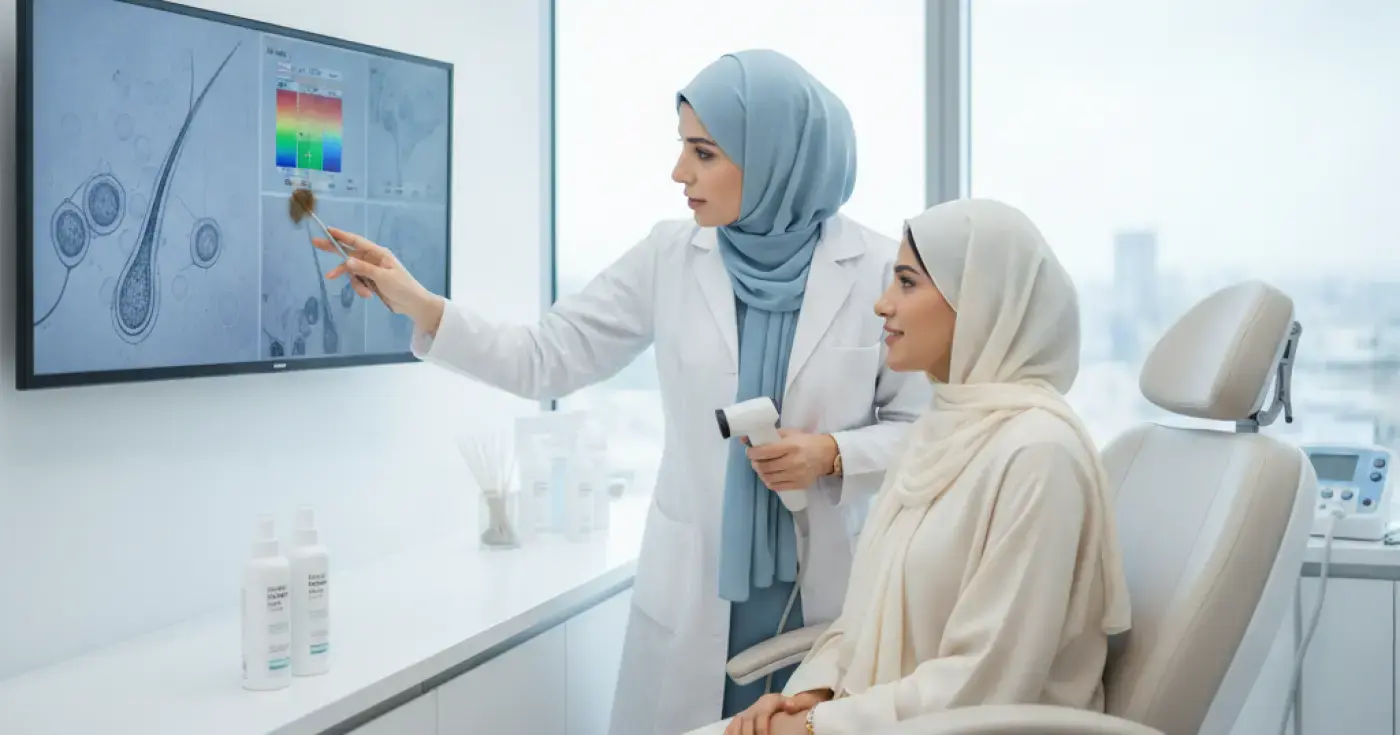
Discover the best medical treatments and advanced clinical procedures to restore hair density safely under specialist supervision.
Read articleExplore the topic