
Lahalak Medical PlatformDifferentiate Care
Explore clinically proven treatments for hair thinning, from topical therapies to PRP and transplants. Learn how to restore hair density safely.
Advertisement
Hair thinning is a highly prevalent dermatological and aesthetic concern affecting millions of men and women worldwide. Beyond its physical presentation, thinning hair can profoundly impact an individual's self-esteem and psychological well-being. Understanding the underlying biological mechanisms and identifying the root causes are essential steps toward selecting an effective, clinically backed treatment plan.
It is clinically normal to shed approximately 50 to 100 hairs per day as part of the natural hair growth cycle. However, when shedding consistently exceeds this range, or when newly regrowing hair is visibly finer, shorter, and weaker, it indicates hair thinning. Unlike sudden hair loss, thinning typically presents as a gradual reduction in hair density, a widening part line, or increased scalp visibility without immediate complete baldness.
The most common cause of progressive hair thinning is androgenetic alopecia, commonly known as male or female pattern hair loss. This genetically predetermined condition is driven by an increased sensitivity of hair follicles to androgens, specifically dihydrotestosterone (DHT). DHT causes follicle miniaturization, progressively shortening the growth phase (anagen) and resulting in finer hairs. Additionally, hormonal fluctuations during pregnancy, postpartum, menopause, and thyroid dysfunctions significantly influence hair density.
Healthy hair growth requires a continuous supply of essential micronutrients. Deficiencies in iron (ferritin), vitamin D, zinc, vitamin B12, and proteins can impair follicular cellular metabolism, pushing hair follicles prematurely into the shedding phase. To identify these deficiencies, dermatologists frequently recommend a comprehensive hair loss blood test to guide targeted nutritional therapy.
Severe physical or emotional stress can trigger a condition known as telogen effluvium. This disturbance shifts a large percentage of active hair follicles prematurely into the resting phase (telogen), leading to diffuse shedding and noticeable thinning a few months after the stressful event. Environmental stressors, harsh chemical treatments, and excessive heat styling also contribute to structural hair shaft breakage.
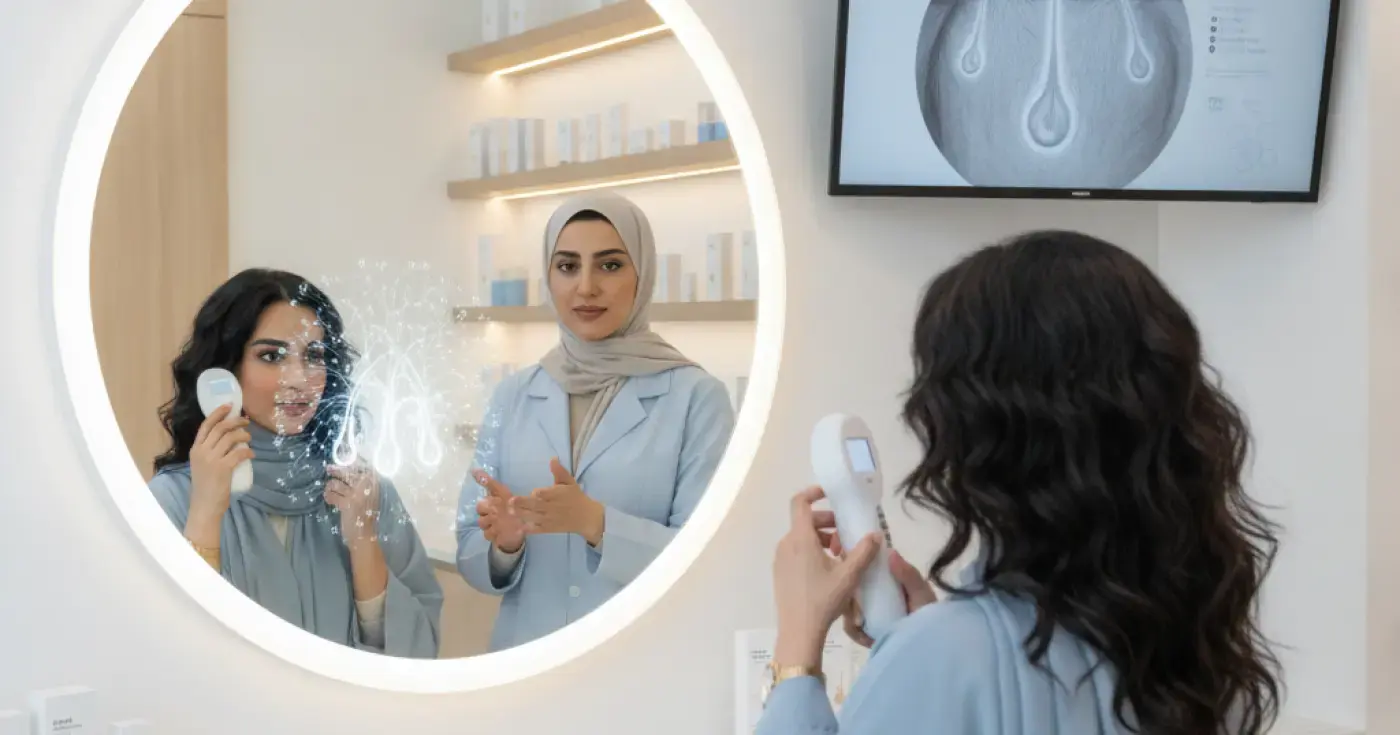
A precise diagnosis by a qualified dermatologist is paramount before initiating any treatment. The clinical evaluation typically includes a detailed medical history, a scalp examination using a trichoscope to assess follicle health and density, and specific laboratory tests to rule out systemic conditions such as thyroid disorders, autoimmune diseases, or severe nutritional deficits.
Several evidence-based pharmacological treatments are widely utilized to address hair thinning:
Advanced aesthetic dermatology offers several highly effective procedural interventions:
For advanced cases of pattern baldness where medical therapies are insufficient, FUE hair transplantation offers a highly effective surgical solution. This procedure involves extracting individual healthy hair follicles from a donor area (typically the back of the scalp) and transplanting them into thinning areas to achieve natural, permanent density.
| Treatment Type | Primary Mechanism | Target Candidates | Expected Timeline & Commitment |
|---|---|---|---|
| Topical Minoxidil | Vasodilation and follicle stimulation | Men & women with pattern thinning | Results in 3-6 months; requires indefinite daily use |
| PRP Therapy | Growth factor-induced follicle regeneration | Mild to moderate thinning and active shedding | Visible improvement after 3-4 monthly sessions |
| Mesotherapy | Direct nutritional support to the scalp | Thinning due to nutritional deficits or damage | Gradual reduction in shedding and improved hair quality |
| FUE Hair Transplant | Surgical redistribution of healthy follicles | Advanced androgenetic alopecia and bald patches | Permanent, natural results fully visible after 12 months |
A balanced diet is a cornerstone of hair health. Consuming adequate dietary protein, omega-3 fatty acids, and antioxidant-rich foods supports follicular function. If clinical blood tests confirm specific deficiencies, targeted supplementation with biotin, vitamin D, iron, or zinc should be initiated under medical guidance to optimize hair growth cycles safely.
Incorporating a structured hair care guidance routine can significantly reduce mechanical breakage and preserve hair density. Key preventive practices include:
While gradual hair thinning is common, certain symptoms warrant prompt medical evaluation. You should consult a dermatologist immediately if you experience sudden, rapid hair shedding in large clumps, localized circular bald patches, severe scalp itching, pain, redness, or scaling. Early intervention is key to preserving viable hair follicles and achieving optimal treatment outcomes.
Clear, direct answers
Advertisement
Continue exploring
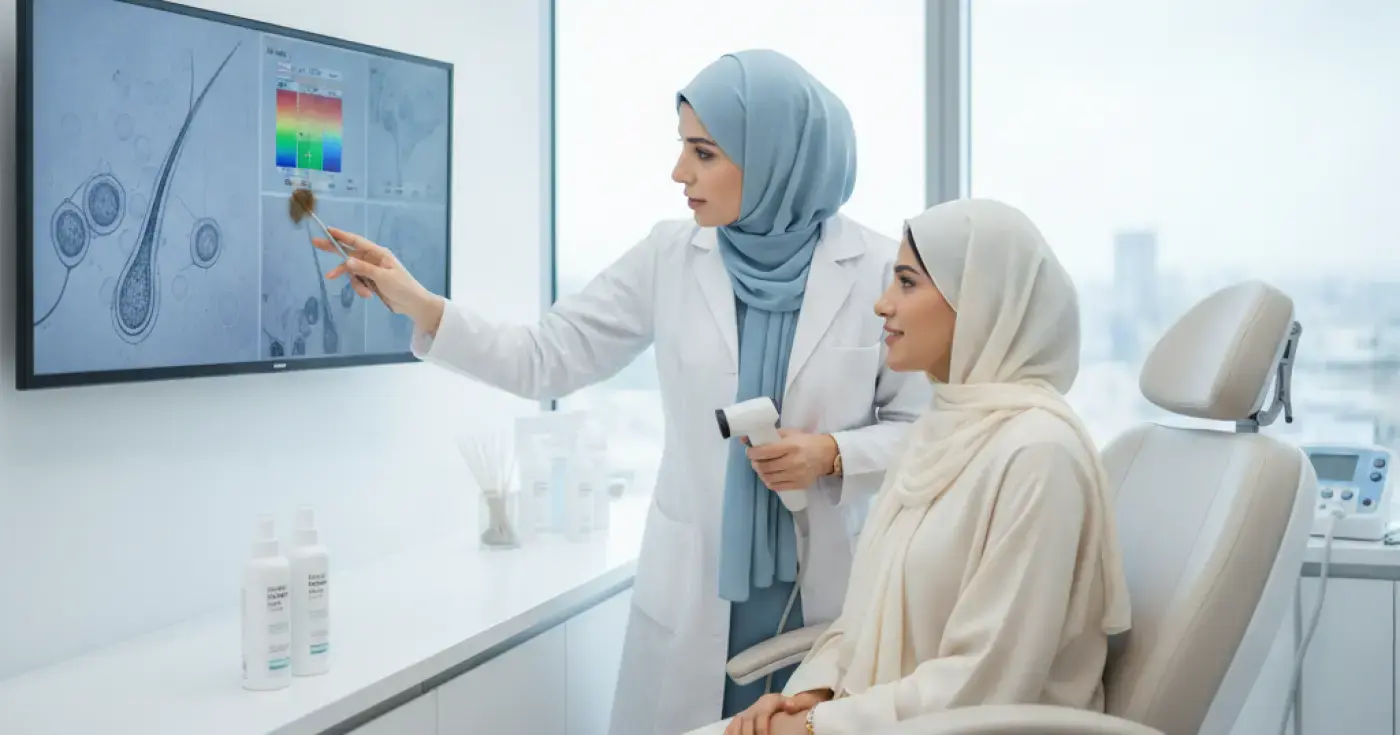
Discover the best medical treatments and advanced clinical procedures to restore hair density safely under specialist supervision.
Read article
A comprehensive clinical guide on maintaining scalp health, choosing the right medicated shampoo, and preventing chronic dandruff recurrence.
Read article
Discover common hair care mistakes that trigger dandruff and scalp irritation, and learn dermatologist-recommended solutions for a healthier scalp.
Read articleExplore the topic