
Lahalak Medical PlatformDifferentiate Care
A comprehensive medical guide on microneedling for acne scars. Learn about expected results, number of sessions, types, and post-care tips.
Advertisement
Acne scars are among the most common and distressing dermatological concerns, often impacting self-esteem and skin texture. With advancements in aesthetic dermatology, microneedling—also known as collagen induction therapy—has emerged as a highly effective, minimally invasive option to improve skin texture and promote cellular regeneration. This non-surgical procedure relies on the body's natural healing response to produce healthier, smoother skin.
In clinical practice, microneedling is frequently utilized as a cornerstone for acne scar treatment, helping to reduce scar depth and enhance overall skin elasticity. This detailed medical article explores how microneedling works, the types of scars it targets, the expected number of sessions, and essential clinical guidelines to ensure optimal and safe outcomes.
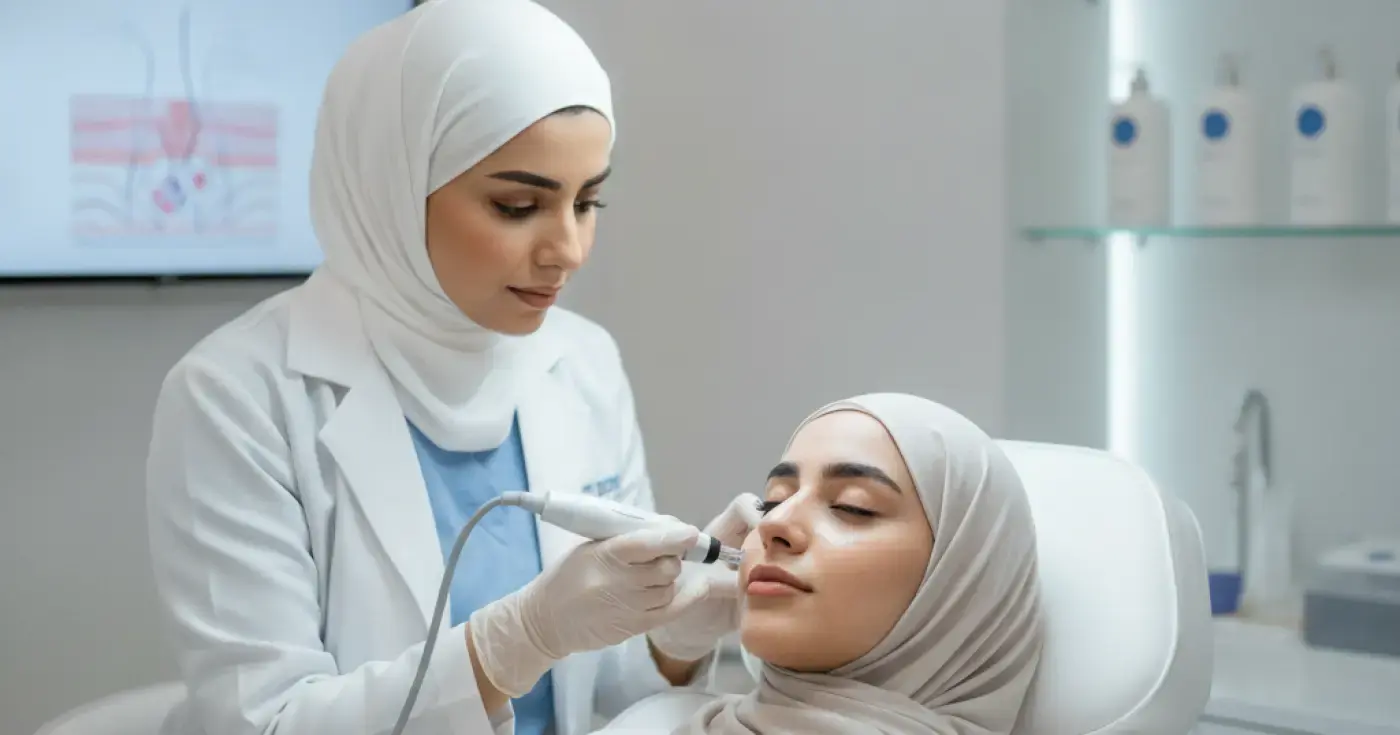
The procedure utilizes a medical-grade device equipped with sterile, fine micro-needles (such as a professional Dermapen device) that is passed over the skin, creating thousands of controlled, microscopic punctures in the epidermis and dermis. These micro-injuries do not cause permanent damage but instead trigger a cascade of physiological healing processes:
Acne scars vary in shape, depth, and clinical behavior, which directly influences their response to microneedling. Scars are generally classified into two main categories:
These are the most common type, resulting from a loss of tissue during the healing of active acne. They are sub-classified into:
These result from an overproduction of collagen during healing, presenting as raised, firm lesions. Treating hypertrophic scars with microneedling requires extreme caution; dermatologists often prefer alternative treatments, such as intralesional corticosteroid injections or vascular lasers, before considering microneedling.
Different microneedling technologies are available in clinical settings to address varying scar depths and skin types. The table below provides a clinical comparison of the primary modalities:
| Modality | Mechanism of Action | Efficacy for Deep Scars | Expected Recovery Time | Key Clinical Advantages |
|---|---|---|---|---|
| Traditional Microneedling (Dermapen) | Mechanical micro-punctures to stimulate natural collagen. | Moderate to Good | 2 - 3 Days | Safe for all skin types, cost-effective, and minimal downtime. |
| RF microneedling (Radiofrequency) | Combines physical needling with the delivery of thermal RF energy into the deep dermis. | Very High | 3 - 5 Days | Provides skin tightening, targets deep scars effectively, and delivers superior collagen remodeling. |
| Microneedling with PRP | Application of autologous Platelet-Rich Plasma following micro-needling. | Very Good | 2 - 3 Days | Accelerates healing, enhances overall skin radiance, and boosts cellular regeneration. |
The total number of sessions is not fixed; it is customized by the dermatologist based on the patient's skin assessment, scar severity, and the skin's regenerative capacity.
Sessions must be spaced 4 to 6 weeks apart. This interval is critical to allow the skin to heal completely and to give the newly formed collagen fibers sufficient time to mature and organize. Compounding sessions too quickly can lead to skin barrier damage, chronic inflammation, or post-inflammatory hyperpigmentation.
Patience and realistic expectations are essential when undergoing microneedling for acne scars, as collagen remodeling is a gradual biological process:
The structural improvements achieved with microneedling for acne scars are long-lasting and virtually permanent, as the newly synthesized collagen becomes a permanent part of the dermal matrix. However, natural aging and environmental factors will continue to affect skin elasticity over time, making occasional maintenance sessions (1 to 2 times a year) beneficial.
Adhering to strict pre- and post-treatment guidelines is vital to maximize efficacy and minimize the risk of adverse events:
When performed by a qualified professional in a sterile clinical environment, microneedling is highly safe. However, temporary and expected side effects may occur:
Microneedling should be avoided or postponed in patients with:
While severe complications are rare, patients should contact their clinic or dermatologist immediately if they experience any of the following symptoms:
In conclusion, microneedling is a clinically proven, highly effective solution for remodeling acne scars and improving overall skin quality. To ensure safety and achieve the best possible outcomes, always consult a licensed dermatologist who can tailor a treatment plan specifically for your skin's needs.
Clear, direct answers
Advertisement
Continue exploring

Learn about the different types of acne scars and advanced dermatological treatments like fractional laser, subcision, and microneedling.
Read article
Discover the best medical treatments for deep acne scars, including fractional laser, subcision, and RF microneedling, with expert dermatologist tips.
Read article
Discover how laser treatment can reduce acne scars. Learn about ablative vs. non-ablative lasers, ideal candidates, recovery, and essential post-care tips.
Read article