
Lahalak Medical PlatformDifferentiate Care
Learn about the different types of acne scars and advanced dermatological treatments like fractional laser, subcision, and microneedling.

Advertisement
Acne scars are a common dermatological concern that can significantly impact self-esteem. They develop as a result of altered collagen production during the natural healing process of inflammatory acne. Understanding that acne scar treatment requires a precise diagnosis of the scar type is essential before initiating any clinical procedure.
It is crucial to distinguish between temporary post-inflammatory hyperpigmentation (PIH) and true scarring. PIH presents as flat red or brown spots that fade over time with proper skincare. True scars, however, represent permanent structural changes in the skin due to tissue loss or excess collagen, requiring professional intervention through a dermatologist consultation.
These scars appear as depressions or pits in the skin surface and are categorized into three main types:
These present as raised, firm masses of tissue that develop when the body produces too much collagen during healing. They are most commonly found on the jawline, chest, and back.
The selection of an appropriate treatment plan depends on several clinical factors, including:
Clinical chemical peels use specialized acids to exfoliate the outer layers of the skin, promoting cell turnover and improving superficial scars and texture.
Using Fractional CO2 Laser technology is highly effective for resurfacing. It delivers microscopic columns of thermal energy to stimulate deep collagen production and tissue remodeling.
A minor in-office surgical procedure where a specialized needle is inserted parallel to the skin surface to release the fibrous bands pulling the skin down. This subcision technique is highly effective for rolling scars.
This technique involves creating controlled micro-injuries in the skin to trigger the natural healing cascade and collagen synthesis, offering a safe option with minimal downtime for various skin types.
| Treatment Option | Target Scar Type | Estimated Downtime | Key Benefits |
|---|---|---|---|
| Fractional Laser | Boxcar & Rolling Scars | 5 - 7 days | Strong collagen stimulation and texture improvement |
| Subcision | Deep Rolling Scars | 2 - 4 days | Releases tethered scars to elevate the skin surface |
| Chemical Peels | Superficial Scars & PIH | 3 - 5 days | Exfoliates skin and evens out skin tone |
| Microneedling | Mild to Moderate Scars | 1 - 2 days | Safe for all skin tones with rapid recovery |
Before treatment, patients are advised to avoid strong topical retinoids and certain medications. During the procedure, a topical anesthetic is typically applied to ensure comfort. Post-treatment care is vital and includes applying restorative moisturizers, avoiding direct sun exposure, and consistently using a broad-spectrum sunscreen to protect the healing skin barrier.
The most effective way to prevent scarring is to treat active acne early and effectively, avoid picking or squeezing blemishes, and maintain a gentle, dermatologist-approved skincare routine.
Clear, direct answers
Advertisement
Continue exploring
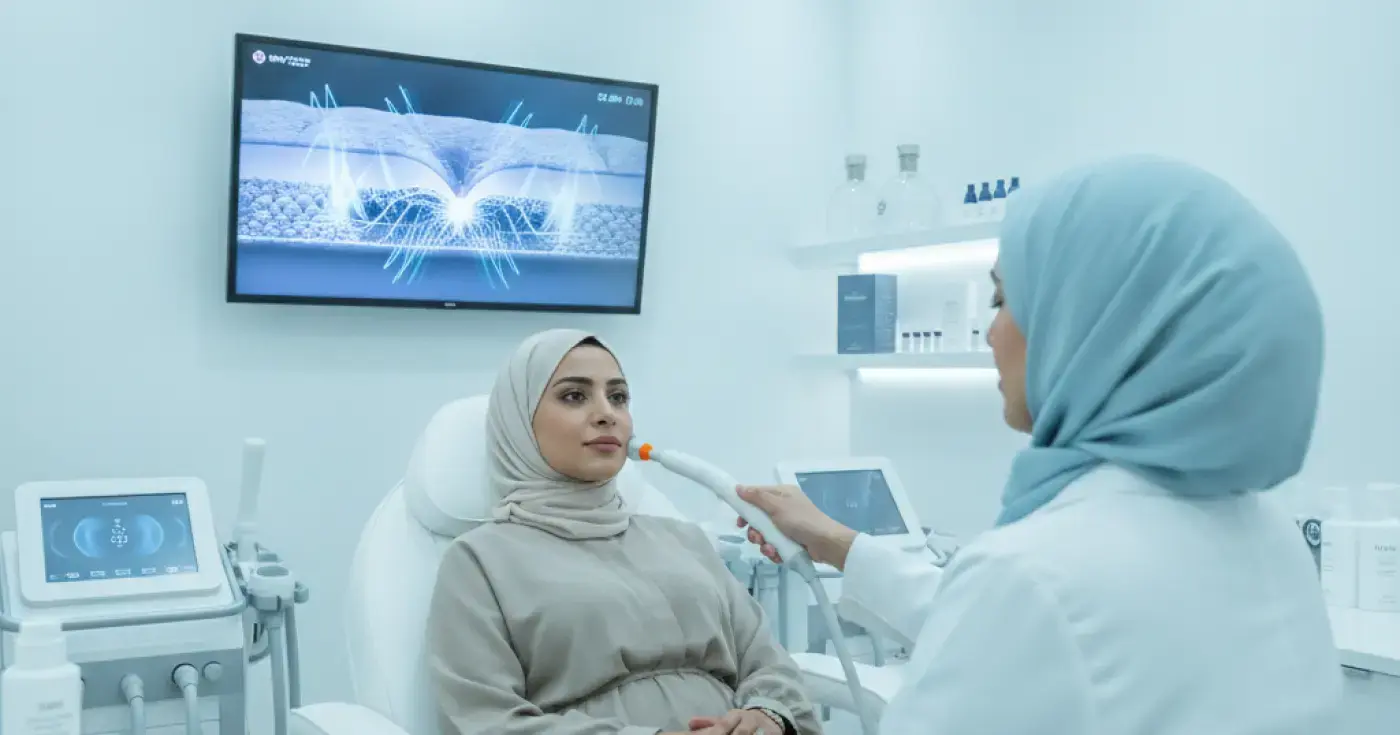
Discover the average cost of HIFU skin tightening in Saudi Arabia, key factors influencing prices, and essential safety tips for choosing a clinic.
Read article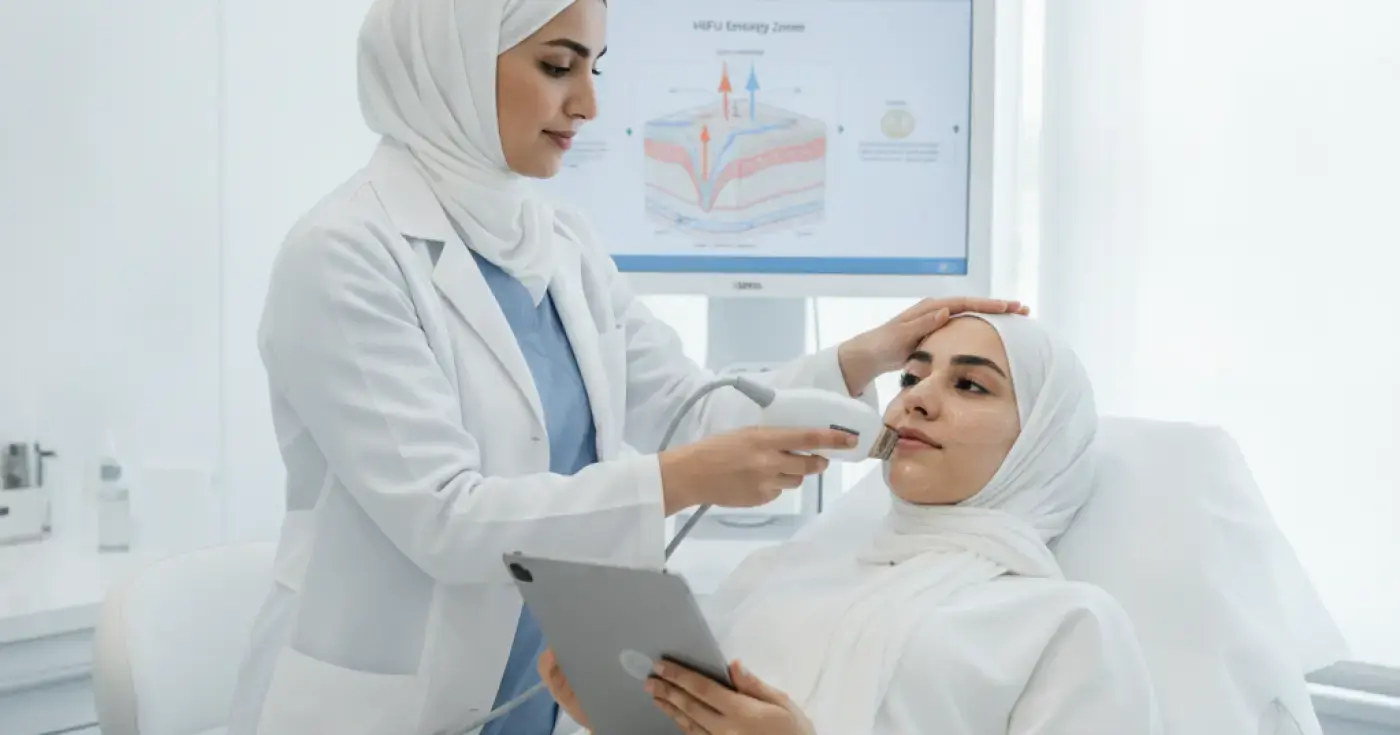
Discover if HIFU skin tightening is painful, explore common and rare side effects, and learn how to prepare for the procedure for optimal comfort.
Read article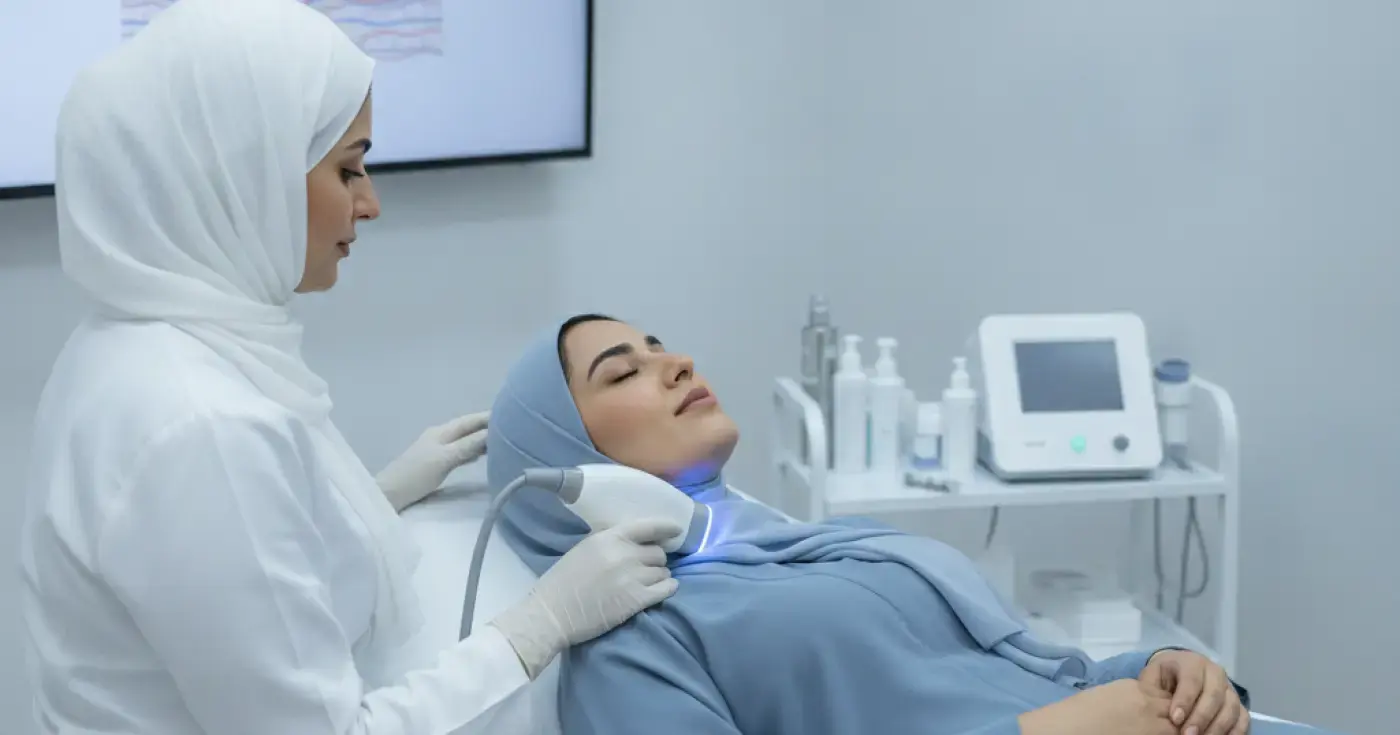
Comprehensive medical guide on pre and post-HIFU skin tightening instructions to maximize aesthetic results and ensure safe recovery.
Read article