
Lahalak Medical PlatformDifferentiate Care
Discover how laser treatment can reduce acne scars. Learn about ablative vs. non-ablative lasers, ideal candidates, recovery, and essential post-care tips.
Advertisement
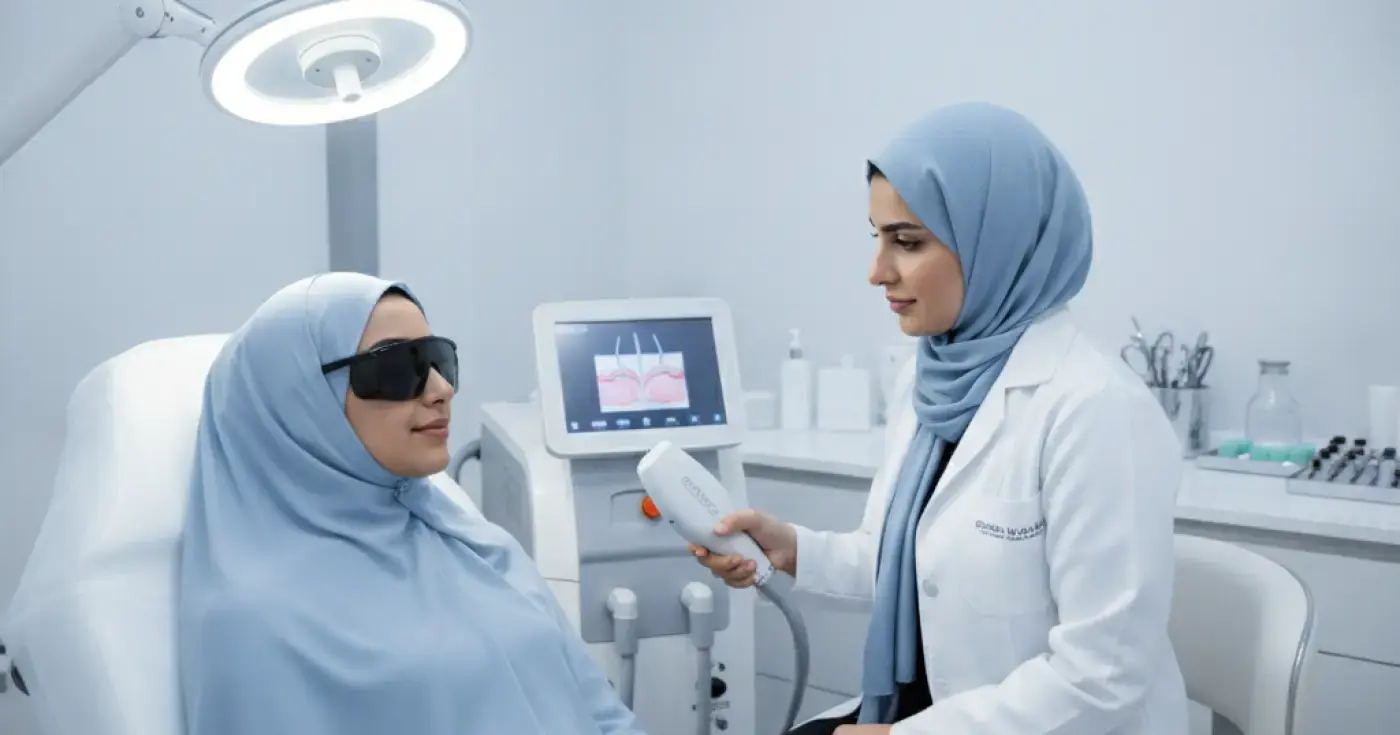
Acne scars are a common and distressing dermatological concern that can significantly impact a person's self-esteem and quality of life. These scars develop as a result of severe inflammation associated with acne breakouts, which damages the underlying skin tissue. When the body attempts to repair this damage, it may produce too much or too little collagen, resulting in uneven skin texture. Fortunately, advancements in aesthetic dermatology have made laser acne scar treatment one of the most effective and safe options to minimize or eliminate these scars.
In this comprehensive guide, we will explore how laser therapy works, the different types of lasers available, how to determine if you are a suitable candidate, and the essential pre- and post-treatment steps required to achieve optimal results under the supervision of qualified dermatologists.
Before undergoing laser treatment, it is crucial to understand the type of acne scars you have, as this directly influences the choice of laser technology. Acne scars are generally classified into two main categories:
These are the most common type of acne scars and appear as depressions or pits in the skin due to a loss of tissue. They are further divided into:
These scars appear as raised, firm bumps on the skin's surface. They occur when the body overproduces collagen during the healing process and are most commonly found on the chest, back, and jawline.
Laser treatment uses focused, high-energy light beams directed at the scarred areas of the skin. It works through two primary mechanisms:
Dermatologists utilize different laser technologies based on the patient's skin type, scar depth, and tolerable downtime. These are categorized into three main types:
These are highly powerful lasers that remove the entire outer layer of the skin while heating the underlying dermis. They are exceptionally effective for deep scars but require a longer recovery period. Examples include Carbon Dioxide (CO2) and Erbium:YAG lasers.
These lasers stimulate collagen production in the deeper layers of the skin without damaging or peeling the surface layer. They have virtually no downtime and a high safety profile, though they require more sessions to achieve visible results. Examples include Diode and Nd:YAG lasers.
A major breakthrough in scar treatment, fractional laser technology delivers laser energy in thousands of microscopic treatment zones, leaving surrounding tissue intact. This fractional approach promotes rapid healing and reduces side effects. It is available in both ablative and non-ablative forms.
| Feature | Ablative Laser | Non-Ablative Laser | Fractional Laser |
|---|---|---|---|
| Mechanism | Removes the entire outer skin layer | Heats deep layers without peeling the surface | Targets microscopic columns of skin |
| Target Scars | Deep and severe scars | Mild to moderate scars | Moderate to deep scars |
| Downtime | 1 to 2 weeks | 1 to 3 days (mild redness) | 3 to 7 days |
| Sessions Needed | 1 to 2 sessions | 4 to 6 sessions | 3 to 5 sessions |
| Safety for Dark Skin | Requires extreme caution (risk of hyperpigmentation) | Generally safe for most skin types | Safe with customized settings |
Laser therapy is not a one-size-fits-all solution. An ideal candidate for laser acne scar treatment typically meets the following criteria:
Laser treatment should be postponed or avoided in the following situations:
Your dermatologist will advise you to stop using retinoids, glycolic acids, and harsh exfoliants at least one week prior to treatment. Strict sun protection is essential. If you have a history of oral herpes, prophylactic antiviral medication may be prescribed.
The skin is thoroughly cleansed, and a topical numbing cream is applied for 30 to 60 minutes to minimize discomfort. During the procedure, you may feel a warm snapping or tingling sensation. A typical session lasts between 20 and 45 minutes depending on the area treated.
The treated skin will appear red and swollen, resembling a moderate sunburn. You must apply a protective ointment (such as petroleum jelly or a barrier-repair cream) to keep the skin hydrated and facilitate healing. Avoid picking at any peeling skin or crusts to prevent scarring.
While modern laser technologies are highly refined, some temporary side effects can occur, including:
To achieve the best possible outcomes, dermatologists often combine lasers with other modalities, such as:
Proper home care accounts for a significant portion of your final treatment results. Follow these essential guidelines:
Laser therapy is a highly effective, clinically proven solution for reducing acne scars and restoring smooth, healthy skin. However, safety and efficacy depend entirely on accurate diagnosis and customized device settings. Always consult a board-certified dermatologist in Saudi Arabia to evaluate your skin type and scar severity, ensuring a safe treatment plan tailored to your unique needs.
Clear, direct answers
Advertisement
Continue exploring
Discover the best medical treatments for deep acne scars, including fractional laser, subcision, and RF microneedling, with expert dermatologist tips.
Read article
Learn about the different types of acne scars and advanced dermatological treatments like fractional laser, subcision, and microneedling.
Read article