
Lahalak Medical PlatformDifferentiate Care
A comprehensive medical guide on jock itch (tinea cruris), covering causes, symptoms, clinical treatments, and effective prevention strategies.

Advertisement
Fungal infection between the thighs, medically known as tinea cruris or jock itch, is a common and uncomfortable dermatological condition. Characterized by an itchy, red rash in the warm, moist areas of the body, it frequently affects individuals in warm climates. Understanding its causes, clinical presentation, and proper medical management is essential for effective treatment and preventing recurrence.
Tinea cruris is a superficial fungal infection of the groin, perineum, and perianal regions. The primary causative agents are dermatophytes, a group of fungi that thrive on dead keratinized tissues such as skin, hair, and nails. Under warm, humid, and dark conditions, these fungi multiply rapidly, leading to localized infection and inflammation.
Several factors contribute to the overgrowth of dermatophytes in the groin area:
The symptoms of tinea cruris typically develop gradually and present with distinct clinical features:
For persistent or worsening symptoms, seeking a dermatologist consultation is highly recommended. The diagnosis is primarily established through a clinical skin examination. To rule out other dermatological conditions with similar presentations, the physician may perform a skin scraping for fungal culture or a potassium hydroxide (KOH) preparation test to identify fungal hyphae under a microscope.
The management of tinea cruris involves targeted antifungal therapy combined with essential lifestyle modifications.
For mild to moderate cases, topical antifungal creams, sprays, or powders are the first line of treatment. These include imidazole derivatives (e.g., clotrimazole, miconazole) and allylamines (e.g., terbinafine). These medications should be applied to clean, completely dry skin, extending slightly beyond the border of the rash, and continued for the full duration prescribed by the doctor.
In severe, widespread, or recurrent cases that do not respond to topical therapy, systemic oral antifungal medications (such as itraconazole or fluconazole) may be prescribed. These require careful medical supervision to monitor liver function and prevent potential drug interactions.
It is crucial to differentiate tinea cruris from other inflammatory skin conditions affecting the groin to ensure appropriate therapy. The table below outlines the key differences:
| Feature | Tinea Cruris (Jock Itch) | Intertrigo |
|---|---|---|
| Primary Cause | Dermatophyte fungal infection | Mechanical friction, moisture, or secondary bacterial/candida infection |
| Clinical Appearance | Red rash with raised, scaly, well-demarcated borders, spreading outward from the fold | Symmetrical, painful erythema concentrated deep within the skin fold, often moist and macerated |
| Primary Symptoms | Intense itching and burning | Pain, burning, and tenderness exacerbated by movement |
| Primary Treatment | Topical or oral antifungal medications | Barrier creams, drying agents, friction reduction, and antimicrobials if infected |
Preventative measures are vital to avoid reinfection. Key medical recommendations include:
While most cases of jock itch respond well to standard treatments, certain signs indicate the need for professional medical evaluation:
Clear, direct answers
Advertisement
Continue exploring
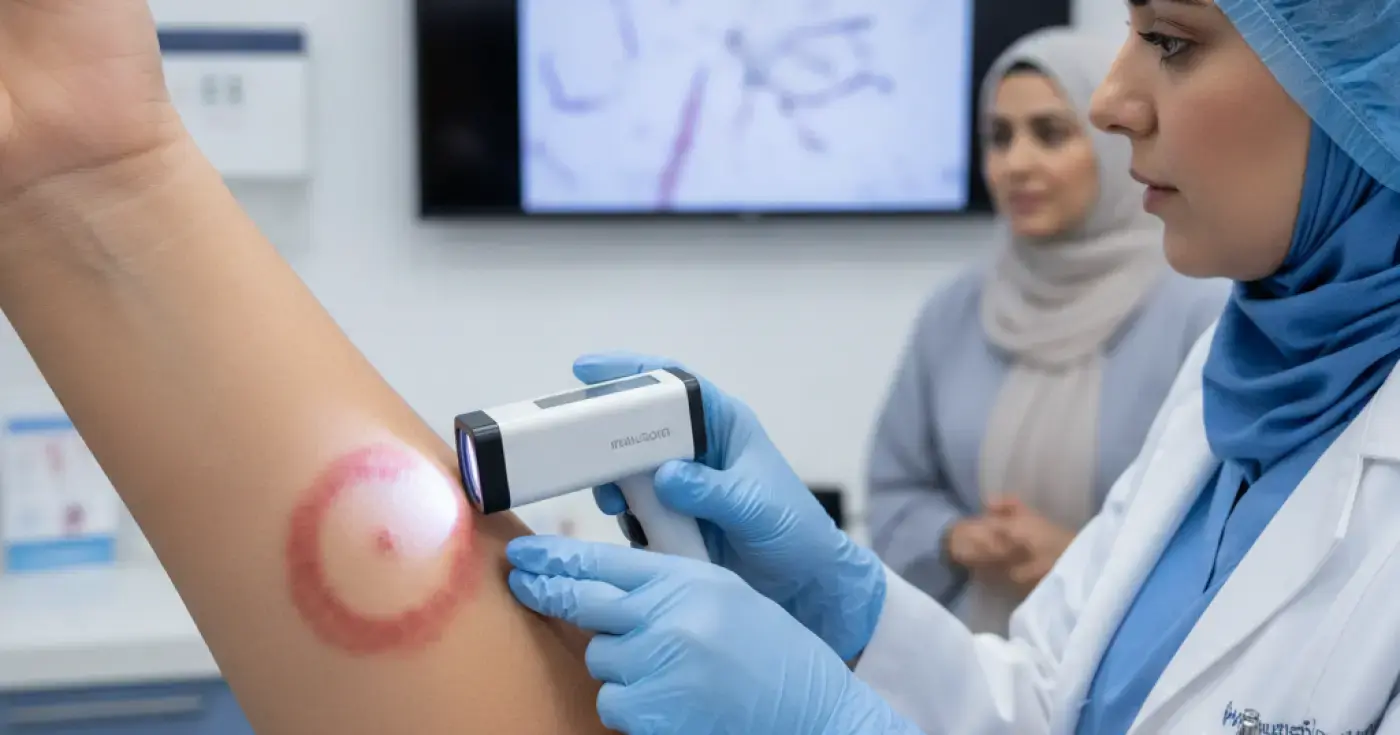
A comprehensive medical guide on ringworm (tinea): explore symptoms, transmission routes, clinical diagnosis, and effective treatment options.
Read article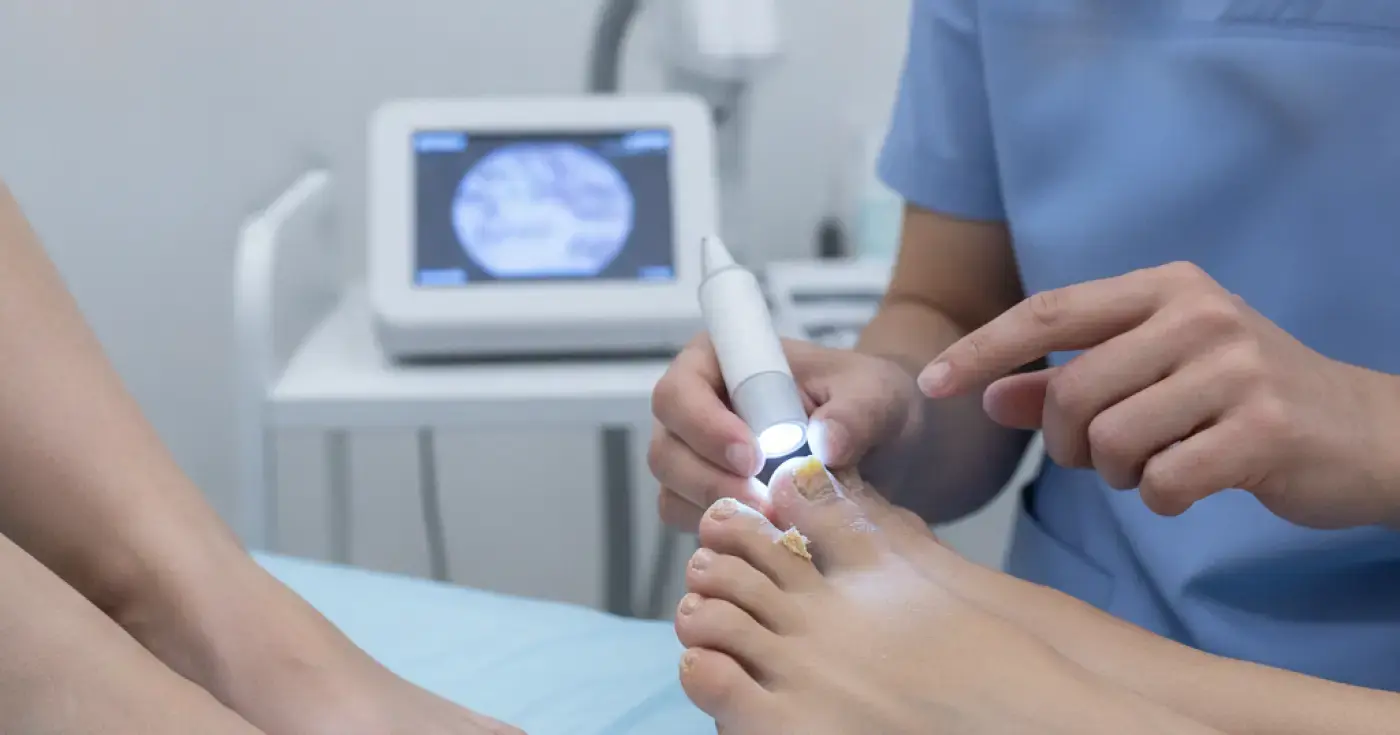
A comprehensive medical guide on nail fungus (onychomycosis): explore causes, symptoms, clinical diagnosis, treatments, and prevention tips.
Read article
Learn about the causes, symptoms, clinical treatments, and prevention tips for foot fungus (tinea pedis) to keep your feet healthy.
Read article