
Lahalak Medical PlatformDifferentiate Care
A comprehensive medical guide on nail fungus (onychomycosis): explore causes, symptoms, clinical diagnosis, treatments, and prevention tips.
Advertisement
Nail fungus, medically known as onychomycosis, is a common fungal infection that affects millions of people worldwide. It occurs when microscopic fungal organisms penetrate the fingernails or toenails. Toenails are significantly more susceptible to infection due to the dark, warm, and moist environment created inside shoes. While the infection often begins as a small white or yellow spot under the tip of the nail, it can progress over time, causing significant nail distortion, cosmetic concerns, and physical discomfort.
Nail fungal infections are primarily caused by dermatophytes, a type of fungus that thrives on keratin (the protein that makes up nails and hair). Yeasts and molds can also be responsible for these infections. Fungi spread easily in warm, humid environments. Several risk factors can increase your likelihood of developing nail fungus, including:
The symptoms of nail fungus develop gradually. As the infection progresses, the following signs typically become noticeable:
While nail fungus might seem like a purely cosmetic issue initially, consulting a specialist is crucial to prevent complications. You should schedule a dermatology consultation immediately if:
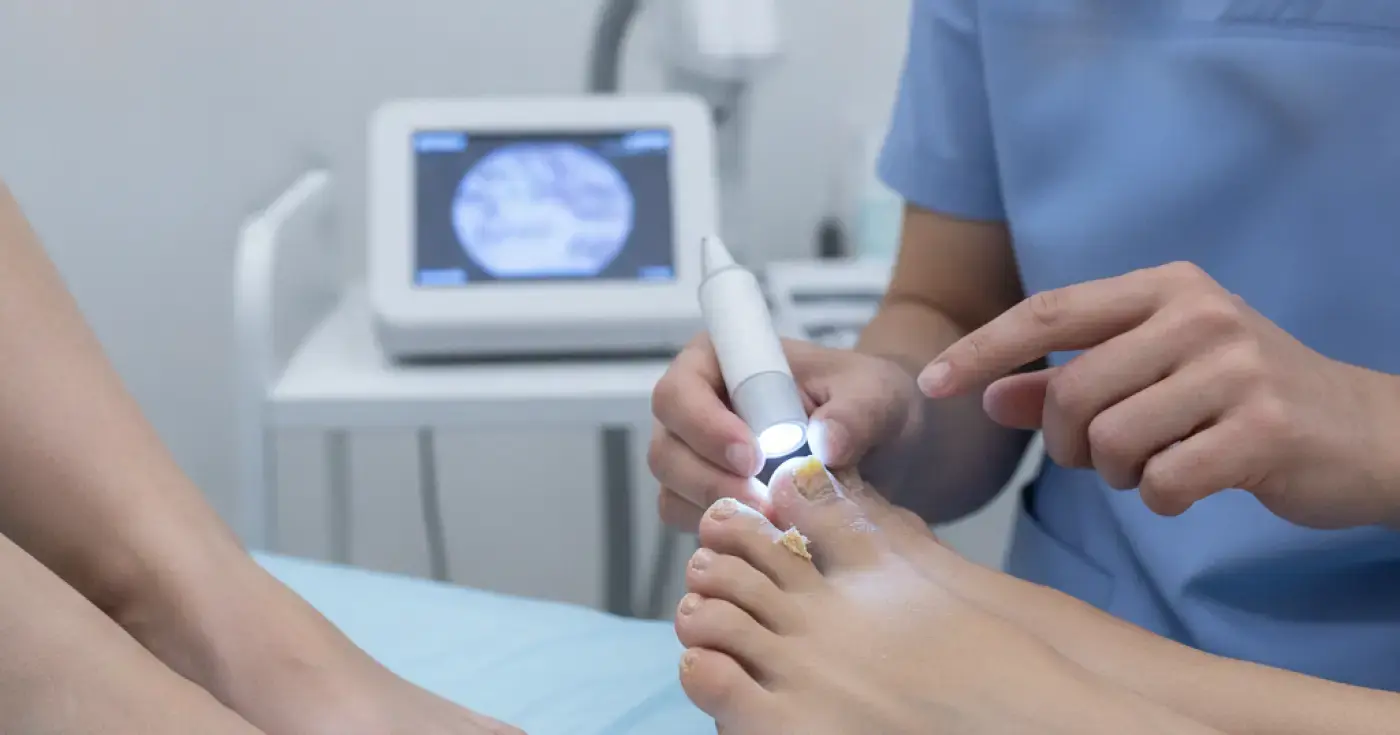
A visual examination is often insufficient for an accurate diagnosis, as nail fungus can mimic other conditions such as nail psoriasis or trauma-induced nail dystrophy. A dermatologist will perform a clinical evaluation and may take a small clipping or scraping of the nail for a fungal culture test or microscopic examination to identify the specific fungal strain and recommend the most effective treatment.
Treating nail fungus requires patience, as nails grow slowly and it can take several months for a healthy nail to fully regrow. Treatment options include:
These include prescription antifungal nail lacquers (such as amorolfine or ciclopirox) and topical creams. They are best suited for mild to moderate infections or as adjunctive therapy. Topical treatments require daily or weekly application for several months.
Oral medications (such as terbinafine or itraconazole) are generally the most effective option for moderate to severe infections. They help a new, uninfected nail grow to replace the damaged part. These medications require medical supervision and periodic liver function tests.
For patients who prefer to avoid oral medications or have contraindications, laser nail fungus therapy is a safe and modern alternative. The laser penetrates the nail plate to target and destroy the fungal cells with heat without damaging the surrounding tissues.
In severe, painful, or recurrent cases that do not respond to conservative therapies, a dermatologist may recommend temporary surgical removal of the nail (avulsion) to allow direct application of antifungal treatments to the nail bed.
| Treatment Type | Expected Effectiveness | Typical Duration | Side Effects & Key Notes |
|---|---|---|---|
| Oral Antifungals | Very High | 6 to 12 weeks | May affect liver enzymes; requires periodic blood tests. |
| Topical Lacquers | Moderate (Mild cases) | 6 to 12 months | Highly safe, but requires long-term daily commitment. |
| Laser Therapy | Good to High | Multiple sessions | Safe, virtually painless, but usually higher in cost. |
| Surgical Removal | Reserved for severe cases | Temporary (until regrowth) | Requires local anesthesia and post-operative wound care. |
Prevention is key to avoiding initial infection or recurrence. It is highly recommended to follow these foot hygiene guide practices:
Neglecting nail fungus can lead to the spread of the infection to the surrounding skin (causing athlete's foot) or other nails. In advanced cases, particularly among individuals with diabetes or poor circulation, the infection can progress to serious bacterial skin infections (cellulitis) that require urgent medical attention.
Nail fungus is a manageable condition, but achieving successful results requires consistency and adherence to a dermatologist-approved treatment plan. Early diagnosis and avoiding unproven home remedies ensure the best outcomes and protect your nails from permanent damage. Remember, consulting a dermatologist is the most reliable step toward restoring the health and appearance of your nails.
Clear, direct answers
Advertisement
Continue exploring

Learn about the causes, symptoms, clinical treatments, and prevention tips for foot fungus (tinea pedis) to keep your feet healthy.
Read article
Discover the common types of skin fungal infections, their symptoms, diagnostic methods, and how to distinguish between them clinically.
Read article
A comprehensive medical guide on dermatophytosis (skin fungal infections), covering types, causes, symptoms, treatment options, and prevention.
Read article