
Lahalak Medical PlatformDifferentiate Care
A comprehensive medical guide on dermatophytosis (skin fungal infections), covering types, causes, symptoms, treatment options, and prevention.
Advertisement
Skin fungal infections, clinically known as dermatophytosis, are common dermatological conditions affecting millions of people worldwide. These infections tend to be more prevalent in warm, humid climates, such as those found in various regions of Saudi Arabia. Fungi are microscopic organisms that naturally exist on our skin and in the environment. However, when provided with favorable conditions like warmth and moisture, they can multiply excessively, leading to various skin infections. This comprehensive medical guide aims to explain the causes, symptoms, medical treatments, and preventive measures for these conditions.
Fungal skin infections manifest in various forms depending on the affected body part and the causative fungal species. The most common types include:
Highly prevalent among athletes and individuals who wear closed, tight footwear for extended periods. It typically develops between the toes, causing intense itching, scaling, and peeling of the skin.
Characterized by circular, red, itchy plaques with raised, scaly borders that resemble a ring. It can affect any part of the body, including the arms, legs, and trunk.
Most common in children, this infection targets the scalp and hair shafts, leading to localized hair loss, scaling, and sometimes painful inflammatory nodules. Prompt treatment is essential to prevent permanent hair loss.
A fungal infection of the nails that causes them to become thick, discolored (yellow or brown), brittle, and prone to crumbling. This type typically requires longer and more intensive treatment courses.
A common superficial fungal infection that causes small, discolored patches on the skin (either lighter or darker than the surrounding skin). It usually appears on the back, chest, and neck, and is triggered by heat and excessive sweating.
Fungal infections occur when the skin comes into contact with fungi from an infected person, animal, or contaminated environmental surfaces. Several factors can increase the risk of developing these infections, including:
While symptoms vary depending on the specific type of infection and its location, common clinical signs include:
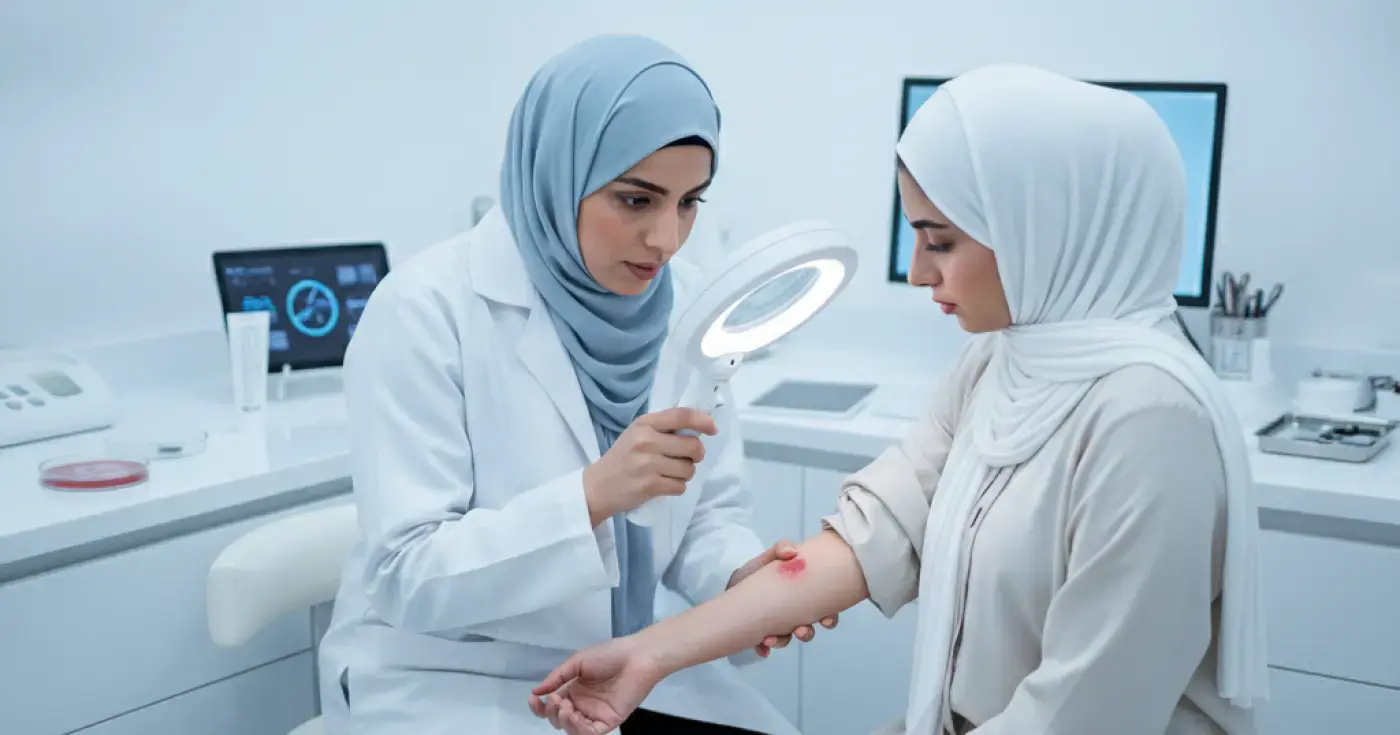
If you experience any of these symptoms, it is highly recommended to schedule a Dermatologist consultation. The specialist will perform a thorough clinical examination and may conduct a Direct microscopy (KOH prep) by taking a gentle skin scraping to identify the fungal elements under a microscope, ensuring an accurate diagnosis and targeted treatment plan.
Fungal skin infections are highly treatable, and medical interventions are categorized based on the severity and extent of the infection:
These include antifungal creams, sprays, and ointments applied directly to the affected skin. They are typically prescribed for mild to moderate localized infections and are used for two to four weeks.
Systemic antifungal tablets are prescribed for severe, widespread infections, or when topical treatments fail, such as in cases of tinea capitis or onychomycosis. These medications must be taken under strict medical supervision to monitor liver function.
Keeping the infected area clean and dry is crucial. Patients should avoid scratching the lesions to prevent spreading the infection to other body parts or introducing secondary bacterial infections.
| Type of Infection | Most Common Site | Primary Symptoms | Standard Treatment Approach |
|---|---|---|---|
| Tinea Pedis | Between toes and soles of feet | Itching, scaling, painful cracks | Topical antifungals & proper foot hygiene |
| Tinea Corporis | Arms, legs, and trunk | Circular red patches with raised borders | Topical antifungal creams |
| Tinea Capitis | Scalp and hair shafts | Localized hair loss, scaling, pustules | Oral antifungals & medicated shampoo |
| Onychomycosis | Fingernails and toenails | Thickening, discoloration, crumbling | Oral antifungals for extended periods |
Although most skin fungal infections are not life-threatening, neglecting proper treatment can lead to complications, such as:
Consult a doctor immediately if symptoms do not improve after two weeks of topical treatment, if the rash spreads rapidly, or if the patient has diabetes or a compromised immune system.
Prevention is the most effective strategy to control fungal skin infections, especially in warm climates. Key Skin care and preventive tips include:
A common misconception is that fungal infections only occur due to poor personal hygiene. In reality, anyone can contract a fungal infection through direct contact in a conducive environment. Another misconception is that home remedies like vinegar or herbal mixtures can cure the infection; however, these can irritate the skin and worsen the condition. Seeking professional medical diagnosis and evidence-based treatment remains the safest and most effective approach.
Clear, direct answers
Advertisement
Continue exploring

Learn when to consult a dermatologist for psoriasis. Discover warning signs, psoriatic arthritis symptoms, and emergency conditions requiring urgent care.
Read article
Learn about psoriatic arthritis, its early signs like joint stiffness and sausage fingers, risk factors, and advanced biologic therapies to protect joints.
Read article
Learn about nail psoriasis symptoms, diagnosis, and advanced medical treatments available for managing nail changes effectively.
Read article