
Lahalak Medical PlatformDifferentiate Care
Discover how many facial mesotherapy sessions you need for optimal results, the factors influencing your treatment plan, and essential post-care tips.
Advertisement
Maintaining youthful, radiant, and healthy skin is a primary aesthetic goal for many individuals. Over time, exposure to environmental stressors, UV radiation, and the natural aging process lead to a decline in essential skin components like collagen and hyaluronic acid. To counteract these effects, modern aesthetic medicine offers highly effective, non-surgical solutions, with facial mesotherapy being one of the most popular choices.
This technique is ideal for those seeking to restore skin vitality and glow without undergoing invasive surgical procedures or enduring prolonged downtime. However, one of the most frequent questions asked in dermatology clinics is: How many mesotherapy sessions does the face need? In this comprehensive clinical guide, we will explore the factors that determine the ideal number of sessions, the standard treatment protocols, and how to maintain long-lasting results.
Facial mesotherapy is a minimally invasive, non-surgical cosmetic procedure that involves micro-injecting a customized cocktail of vitamins, minerals, amino acids, coenzymes, antioxidants, and non-crosslinked hyaluronic acid directly into the mesoderm (the middle layer of the skin).
The efficacy of mesotherapy relies on two primary mechanisms:
The exact number of facial mesotherapy sessions required varies from person to person based on an individual dermatological assessment. However, a standard clinical protocol typically consists of 3 to 6 primary treatment sessions to achieve optimal, visible, and sustainable results.
These initial sessions are scheduled at regular intervals, usually spaced 2 to 4 weeks apart. This spacing allows the skin adequate time to heal, fully absorb the injected active ingredients, and initiate cellular regeneration and collagen synthesis.
A one-size-fits-all approach does not apply to mesotherapy. Dermatologists customize the treatment plan based on several clinical factors, including:
To help you understand how mesotherapy compares to other popular skin rejuvenation options, review the comparison table below:
| Treatment Option | Expected Sessions | Primary Goal | Downtime |
|---|---|---|---|
| Facial Mesotherapy | 3 - 6 sessions | Deep hydration, radiance, fine lines, and pigmentation | 12 to 24 hours |
| PRP therapy (Platelet-Rich Plasma) | 3 - 4 sessions | Autologous cell regeneration, collagen boost, texture improvement | 24 to 48 hours |
| Skin Boosters | 2 - 3 sessions | Intense, deep hydration using high-quality hyaluronic acid | ~24 hours |
| Chemical Peeling | 3 - 5 sessions | Exfoliation, treating hyperpigmentation, and skin resurfacing | 3 to 7 days |
A standard facial mesotherapy program is divided into two distinct phases to ensure optimal results and long-term maintenance:
This phase focuses on correcting existing skin issues and saturating the dermal layers with essential nutrients. It consists of 3 to 4 consecutive sessions performed every 2 to 3 weeks. During this phase, the skin's moisture levels are restored, and cellular repair mechanisms are fully activated.
Because the skin continues to age and face environmental exposure, maintenance is essential. To preserve the radiant results, dermatologists recommend a single maintenance session every 3 to 6 months, depending on the patient's skin type and lifestyle.
A facial mesotherapy session is a quick, outpatient procedure that typically takes between 20 to 30 minutes. The clinical steps include:
The results of facial mesotherapy appear gradually. You may notice an immediate improvement in skin hydration and softness within a few days of the first session, largely due to the hydrating properties of hyaluronic acid. However, the most significant improvements in skin texture, tone, and elasticity typically become visible after the second or third session, as new collagen synthesis takes time to develop. Results continue to improve for several weeks following the completion of the full treatment course.
Facial mesotherapy is highly safe when performed by a qualified, board-certified dermatologist in a licensed clinical setting that adheres to strict sterilization protocols. Minor, temporary side effects may occur and typically resolve within a few days. These include:
To maximize your results and prevent complications, it is crucial to follow these post-treatment guidelines:
While mesotherapy is suitable for most skin types, it is contraindicated for individuals with certain medical conditions, including:
In conclusion, determining exactly how many mesotherapy sessions your face needs requires a personalized consultation with a qualified dermatologist. A professional skin assessment ensures that the formulation and treatment frequency are tailored to your unique skin concerns. Consistency, adherence to the recommended protocol, and regular maintenance sessions, combined with a healthy lifestyle, are the keys to achieving and maintaining a radiant, youthful complexion.
Clear, direct answers
Advertisement
Continue exploring
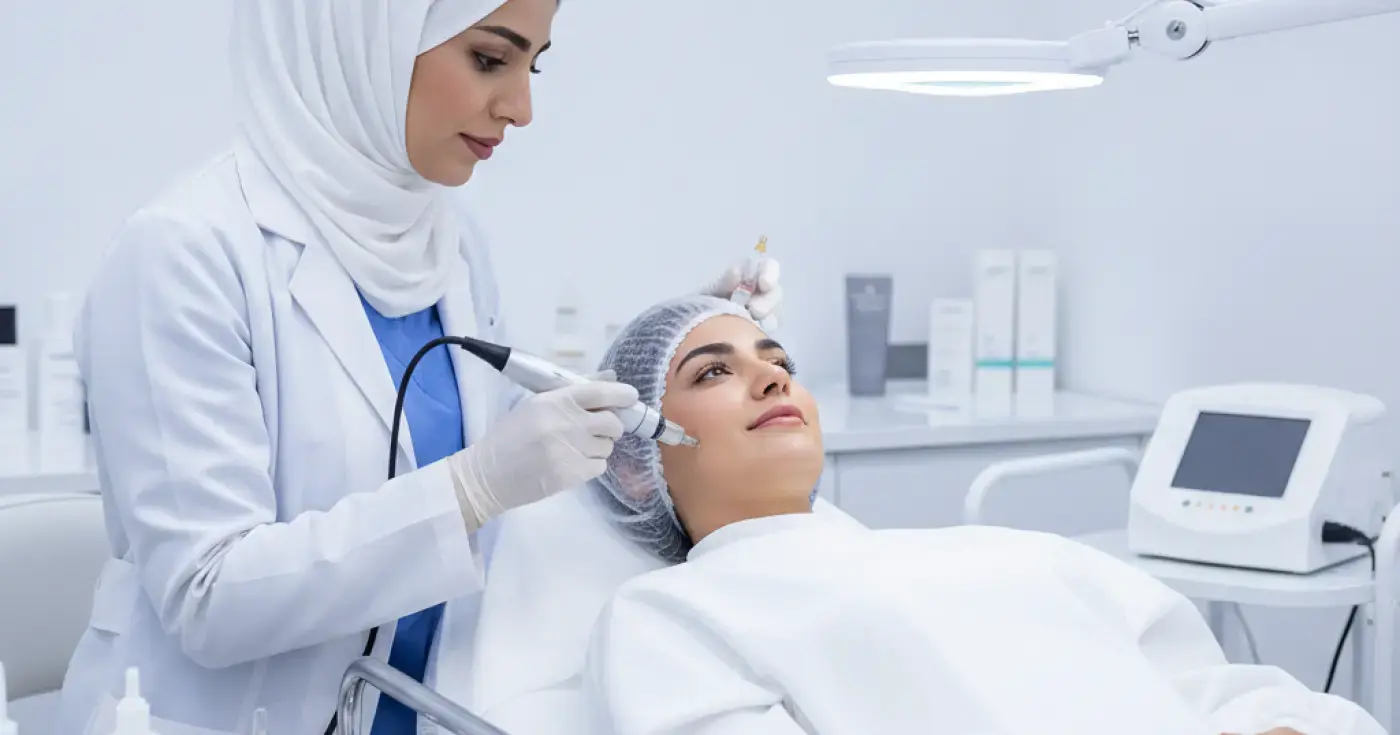
Learn about combining mesotherapy and Dermapen (Meso-needling). Discover clinical benefits, procedure steps, side effects, and post-care tips.
Read article
Compare Mesotherapy and Dermapen for skin rejuvenation. Learn about mechanisms, recovery times, and which treatment is best for your skin.
Read article
Comprehensive medical guide to Dermapen microneedling. Learn how it works, its benefits for scars and wrinkles, side effects, and post-care.
Read article