
Lahalak Medical PlatformDifferentiate Care
Compare Mesotherapy and Dermapen for skin rejuvenation. Learn about mechanisms, recovery times, and which treatment is best for your skin.

Advertisement
In the rapidly evolving field of aesthetic dermatology, non-surgical treatments have gained immense popularity. Patients seeking to restore skin rejuvenation, improve texture, and address imperfections now have access to highly effective, minimally invasive options. Among the most frequently compared treatments in clinical practice are Mesotherapy and Dermapen. While both aim to revitalize the skin, their mechanisms of action, active substances, and clinical indications differ significantly.
Mesotherapy is a well-established medical-aesthetic technique that involves delivering active ingredients directly into the mesoderm—the middle layer of the skin. This targeted delivery bypasses the epidermal barrier, ensuring maximum absorption of therapeutic compounds.
During a session, a qualified dermatologist uses ultra-fine needles to perform micro-injections of a customized cocktail into the skin. This direct delivery provides deep hydration and nourishment to the cellular environment, promoting immediate radiance and cellular repair.
The injected formulation is tailored to the patient's specific skin concerns and typically includes a blend of:
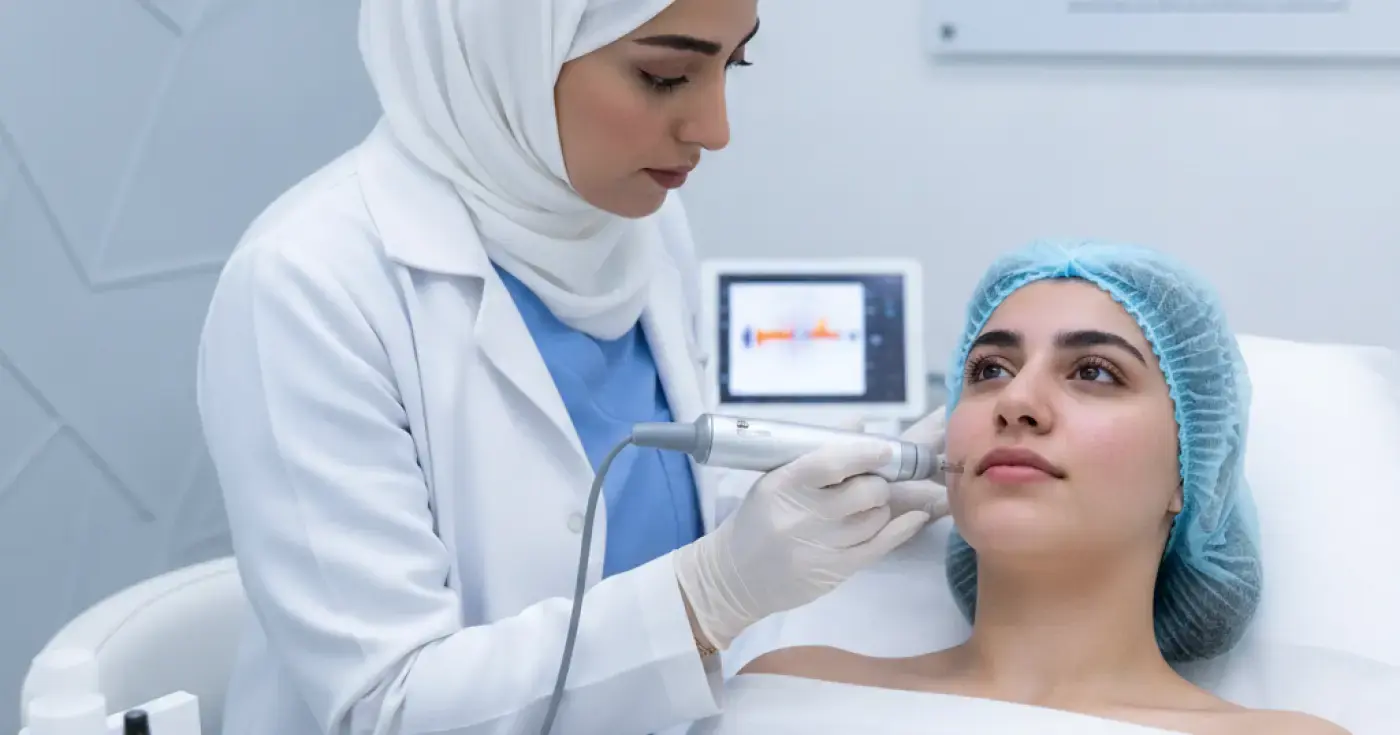
The Dermapen is an advanced, automated microneedling device designed to stimulate the skin's natural healing cascade. Shaped like a pen, it features a sterile, disposable tip containing multiple micro-needles that oscillate at high speeds with adjustable depths.
As the device glides across the skin, it creates thousands of controlled, microscopic channels (micro-injuries) in the epidermis and dermis. These micro-injuries do not damage the skin permanently; instead, they trigger a powerful wound-healing response.
In response to the micro-channels, the body stimulates fibroblasts to produce abundant amounts of collagen and elastin. Regular microneedling sessions help remodel the skin's extracellular matrix, leading to tighter skin, minimized pore appearance, and a significant reduction in acne scars and fine lines.
To help patients understand the clinical distinctions between these two popular modalities, the following table outlines their key differences:
| Feature | Mesotherapy (Mesotherapy) | Dermapen (Dermapen) |
|---|---|---|
| Primary Mechanism | Chemical & Nutritional (active ingredients) | Mechanical & Physical (collagen induction) |
| Penetration Depth | Targets the middle layer (mesoderm) | Adjustable depth (0.25 mm to 2.5 mm) |
| Substances Used | Customized cocktail of vitamins, minerals, and HA | Relies on physical needles; topical serums can be added |
| Primary Indications | Deep hydration, instant glow, mild pigmentation | Acne scars, enlarged pores, fine lines, skin texture |
| Recovery Time (Downtime) | Minimal (a few hours to 24 hours) | 2 to 4 days (mild redness and peeling) |
| Recommended Sessions | 3 to 6 sessions, spaced 2 to 4 weeks apart | 4 to 6 sessions, spaced 4 weeks apart |
Yes, combining these two treatments is a highly effective clinical strategy known as "Meso-Pen" therapy. In this combined procedure, the Dermapen device is used first to create micro-channels in the skin. Immediately afterward, a specialized Mesotherapy injections serum is applied topically. The open micro-channels allow the active ingredients to penetrate up to 80% deeper into the dermis, combining the mechanical benefits of collagen induction with the chemical benefits of deep cellular nourishment.
Choosing between Mesotherapy and Dermapen depends on your primary skin concerns, skin type, and acceptable recovery downtime.
Adhering to professional pre- and post-treatment guidelines is essential to maximize clinical outcomes and minimize potential risks.
Patients should discontinue the use of strong topical retinoids, exfoliating acids (such as glycolic or salicylic acid), and harsh scrubs for 3 to 5 days prior to the session. Sun protection is critical, and direct, unprotected sun exposure must be avoided.
The treatment area is thoroughly cleansed and disinfected. A topical anesthetic cream is applied for 20 to 30 minutes to ensure patient comfort. The practitioner then performs the micro-injections or glides the Dermapen device across the skin using precise, controlled techniques.
Proper post-procedure care is vital for optimal healing. Key recommendations include:
While both procedures are highly safe when performed by a licensed medical professional in a sterile environment, patients should be aware of expected side effects and contraindications.
These treatments should not be performed if the patient has:
There is no single "best" treatment that suits everyone. Achieving healthy, radiant skin begins with an accurate clinical assessment. We highly recommend scheduling a consultation with a board-certified dermatologist at LahaLak. A specialist can thoroughly evaluate your skin type, discuss your aesthetic goals, and design a personalized treatment plan that ensures both safety and outstanding results.
Clear, direct answers
Advertisement
Continue exploring
Comprehensive medical guide to Dermapen microneedling. Learn how it works, its benefits for scars and wrinkles, side effects, and post-care.
Read article
Learn how mesotherapy helps reduce the appearance of enlarged pores, its mechanism of action, key ingredients, and comparison with other treatments.
Read article
A complete medical guide to facial mesotherapy for skin radiance and even tone. Learn about ingredients, benefits, side effects, and recovery.
Read article