Insight Hub

Your feedback helps us raise our care standards.

LahaLak logo
LahaLakHealth Nexus | LahaLak Medical Services Office

We shape a clearer and more trusted care journey by combining medical expertise with digital technology.

Discovery

  • Vision & Mission
  • Elixir Blog
  • Success Stories

Ecosystem

  • Ambassador Program
  • Career Paths
  • Join as an Accredited Care Center
  • Practitioner Entry

Secure Access Node

Active Node

Support & Complaints Unit

0599489990

الخط المباشر|Direct Secure Line

Global Payments | سداد آمن
Privacy
Disclaimer
Editorial Policy & Medical Standards
Beneficiary Rights
Official IBAN
SA21 1000 0011 7000 0034 5102

All rights reserved to LahaLak Medical Platform © 2026
Exclusive Operator: LahaLak Medical Services Office

Reusing or copying platform content, designs, or ideas for commercial use is prohibited without prior written permission.

SBC: 0000209083CR: 4030402711VAT: 300095977700003SAIP: 1443017765BASE: Jeddah 23323
Lahalak Logo
Lahalak Medical PlatformDifferentiate Care
جاري تحميل مقال إكسير
Home›Elixir›Medical News›Full Face Botox: Which Areas Can Be Treated and What to Expect?
Medical News

Full Face Botox: Which Areas Can Be Treated and What to Expect?

Discover the target areas for full-face Botox, from the forehead to the jawline. Learn about the procedure, benefits, and recovery tips.

By: LahaLak Medical PlatformPublished: October 1, 2026Updated: October 1, 202610 min read46 views
A dermatologist marking injection points on a female patient's face for a full-face Botox treatment in a licensed clinic
Health education content
Sources are listed
Does not replace a clinician
Publication dates are transparent

Advertisement

Medical notice: this content is for health education and does not provide an individual diagnosis or replace appropriate medical consultation.

Introduction: What is Full Face Botox?

Full face Botox injections represent one of the most popular and reliable non-surgical cosmetic procedures in modern aesthetic medicine. Utilizing precise, clinical doses of botulinum toxin, this comprehensive treatment temporarily relaxes dynamic facial muscles. Instead of focusing on a single isolated area, a full-face approach harmonizes facial expressions, smooths fine lines, and restores a refreshed, youthful appearance.

In Saudi Arabia, this procedure is highly sought after due to its efficiency and minimal downtime. However, achieving natural-looking and safe results requires an expert understanding of facial anatomy and a customized treatment plan tailored to each patient's unique muscle movements.

How Botox Works on Facial Muscles

Botox works by temporarily blocking nerve signals to the targeted muscles. When muscle contraction is reduced, the overlying skin relaxes, smoothing out dynamic wrinkles (those that appear during facial expressions like smiling or frowning) and preventing them from becoming permanent, deep-set static lines. The effects typically last between three to six months, after which muscle activity gradually returns to normal.

Detailed Areas Treated with Full Face Botox

During a full-face Botox session, a qualified dermatologist or plastic surgeon evaluates facial dynamics to target several key areas:

1. Forehead Lines

Horizontal forehead lines are caused by the repetitive contraction of the frontalis muscle when raising the eyebrows. Botox smooths these lines, but must be administered carefully to avoid drooping the brow (brow ptosis).

2. Glabellar Lines (Frown Lines)

Often referred to as the "11 lines," these vertical wrinkles between the eyebrows are caused by the corrugator supercilii muscles. Treating this area softens a stern or tired look, giving the face a more approachable appearance.

3. Crow's Feet (Around the Eyes)

These fine lines radiate from the outer corners of the eyes during smiling or squinting, driven by the orbicularis oculi muscle. Botox smooths these lines while preserving natural emotional expression.

4. Bunny Lines (On the Nose)

Bunny lines are the diagonal wrinkles that form on the bridge of the nose when smiling or scrunching the face. Small doses of Botox in the nasalis muscle can effectively soften them.

5. Gummy Smile

For individuals whose upper gums are excessively visible when smiling, Botox can be injected into the muscles that elevate the upper lip. This relaxes the lip's upward movement, creating a more balanced smile.

6. Downturned Mouth Corners

As we age, the corners of the mouth can turn downward, creating a sad or angry expression. Injecting the depressor anguli oris (DAO) muscle helps lift the corners of the mouth slightly back to a neutral position.

7. Masseter Muscle & Jawline Slimming

Injecting Botox into the masseter (chewing) muscles helps alleviate teeth grinding (bruxism) and jaw tension. Aesthetically, it slims the lower face, creating a softer, more defined jawline (V-shape).

8. Chin Dimpling (Cobblestone Chin)

An overactive mentalis muscle can cause the chin to look dimpled or bumpy, resembling an orange peel. Botox relaxes this muscle, smoothing the chin's surface.

9. Nefertiti Neck Lift (Platysmal Bands)

This technique targets the platysma muscle bands in the neck and along the jawline. Relaxing these bands provides a subtle neck lift and redefines the jawline, counteracting sagging skin.

Benefits of Full Face Botox

  • Harmonious, Natural Results: Treating the face as a whole prevents a mismatched look where one area is frozen while others move excessively.
  • Quick, Non-Surgical Procedure: The treatment is performed in-office within 15 to 30 minutes, requiring no general anesthesia.
  • Preventative Aging Care: It acts prophylactically to prevent temporary expression lines from settling into permanent wrinkles.
  • Improved Skin Quality: Micro-doses of Botox can reduce sebum production and minimize pore size, enhancing the overall skincare routine.

Comparison Table: Botox vs. Dermal Fillers

Understanding the difference between Botox and fillers is crucial for managing expectations. The table below outlines their primary distinctions:

FeatureBotox InjectionsDermal Fillers
Primary MechanismTemporarily relaxes muscles causing wrinklesFills in volume loss and hydrates tissues
Common Target AreasForehead, around eyes, frown lines, neckCheeks, lips, nasolabial folds, marionette lines
Type of WrinklesDynamic wrinkles (visible during movement)Static wrinkles (visible at rest due to volume loss)
Duration of Results3 to 6 months6 months to 2 years (depending on filler type)

How to Prepare for Your Full Face Botox Session

To ensure optimal results and minimize bruising, follow these pre-treatment guidelines:

  1. Avoid blood-thinning medications like aspirin or ibuprofen for at least 7 days before treatment, under medical supervision.
  2. Stop taking supplements that increase bleeding risks, such as Vitamin E, fish oil, and ginkgo biloba, a few days prior.
  3. Disclose your full medical history to your doctor, including any neuromuscular disorders, pregnancy, or breastfeeding.
  4. Arrive at the clinic with a clean face, free of makeup and skincare products.

Step-by-Step: What Happens During the Procedure?

The clinical procedure is straightforward and designed for patient comfort:

  • Assessment: The physician examines your facial expressions and marks the precise injection points.
  • Anesthetic: A topical numbing cream or ice pack is applied to minimize discomfort.
  • Injections: The doctor uses an ultra-fine needle to inject precise amounts of Botox into the targeted muscles.
  • Post-cleanse: The skin is cleansed, and you can immediately return to your daily activities.

Post-Treatment Care and Recovery Guidelines

Adhering to post-treatment instructions during the first 24 to 48 hours is vital for safety and efficacy:

  • Keep your head upright and avoid lying down or bending forward for at least 4 hours to prevent the toxin from migrating.
  • Do not rub, massage, or apply pressure to the treated areas for 24 hours.
  • Avoid strenuous exercise, saunas, hot tubs, and direct sun exposure for 48 hours.
  • Postpone facial treatments, chemical peels, or microdermabrasion for at least one week.

Potential Side Effects and Risks

Botox is highly safe when administered by a licensed, experienced professional. However, mild and temporary side effects may occur, including:

  • Mild redness or swelling at the injection sites.
  • Minor bruising, which can be managed with cold compresses.
  • A mild, temporary headache on the first day.
  • Temporary eyelid or eyebrow drooping (ptosis) in rare cases, usually resulting from improper post-care or incorrect dosage placement.

Who is the Ideal Candidate for Full Face Botox?

Most healthy adults looking to soften dynamic wrinkles or prevent early signs of aging are suitable candidates. However, Botox is contraindicated for:

  • Pregnant or breastfeeding women.
  • Individuals with neuromuscular disorders like Myasthenia Gravis.
  • Those with active skin infections or inflammation at the injection sites.
  • Anyone with a known allergy to botulinum toxin components.

When to Contact Your Doctor Immediately

While severe complications are extremely rare, seek immediate medical attention if you experience difficulty swallowing or breathing, severe muscle weakness outside the treated areas, vision changes (such as double vision), or signs of infection like worsening pain, heat, and extreme redness at the injection sites.

Sources and References

  1. Ministry of Health Saudi Arabia
  2. World Health Organization
  3. MedlinePlus
  4. Centers for Disease Control and Prevention CDC
  5. American College of Obstetricians and Gynecologists ACOG

Clear, direct answers

Frequently Asked Questions

What is full face Botox?+
Full face Botox is a non-surgical cosmetic treatment where botulinum toxin is injected into multiple areas of the face in a single session to achieve a balanced, refreshed, and youthful look.
Which areas can be treated with full face Botox?+
It commonly targets the forehead, frown lines (glabella), crow's feet, bunny lines, gummy smile, downturned mouth corners, masseter muscles (jaw), chin dimples, and neck bands.
How long does it take for full face Botox to work?+
Initial results typically appear within 3 to 5 days, with the full, final results becoming visible 10 to 14 days after the injections.
How long do the results of full face Botox last?+
The effects generally last between 3 to 6 months. Longevity depends on individual metabolism, muscle strength, and lifestyle factors.
Is full face Botox painful?+
Most patients experience minimal discomfort. The needles used are extremely fine, and topical numbing cream or ice is applied beforehand to ensure comfort.

Explore the topic

Related articles

  • Facial Botox: A Complete Guide to How It Works and Reduces WrinklesElixir · Health Panorama
  • Are Three PRP Sessions Enough to See Noticeable Results?Elixir · Health Panorama
  • What to Expect After a PRP Session: Recovery, Tips, and ResultsElixir · Health Panorama

Elixir

Explore health content

Medical News

Browse Elixir sections and continue exploring content related to this article.

Medical NewsConsumer AwarenessInspiring Stories

Advertisement

Your opinion matters

Was this content helpful?

Have a note?

Comments require login.Log in
Loading comments
Loading related articles

Continue exploring

Related Articles

Facial Botox: A Complete Guide to How It Works and Reduces Wrinkles

Facial Botox: A Complete Guide to How It Works and Reduces Wrinkles

Learn how facial Botox works to reduce wrinkles, target areas, pre and post-care tips, and safety guidelines for natural results on LahaLak.

Read article
Are Three PRP Sessions Enough to See Noticeable Results?

Are Three PRP Sessions Enough to See Noticeable Results?

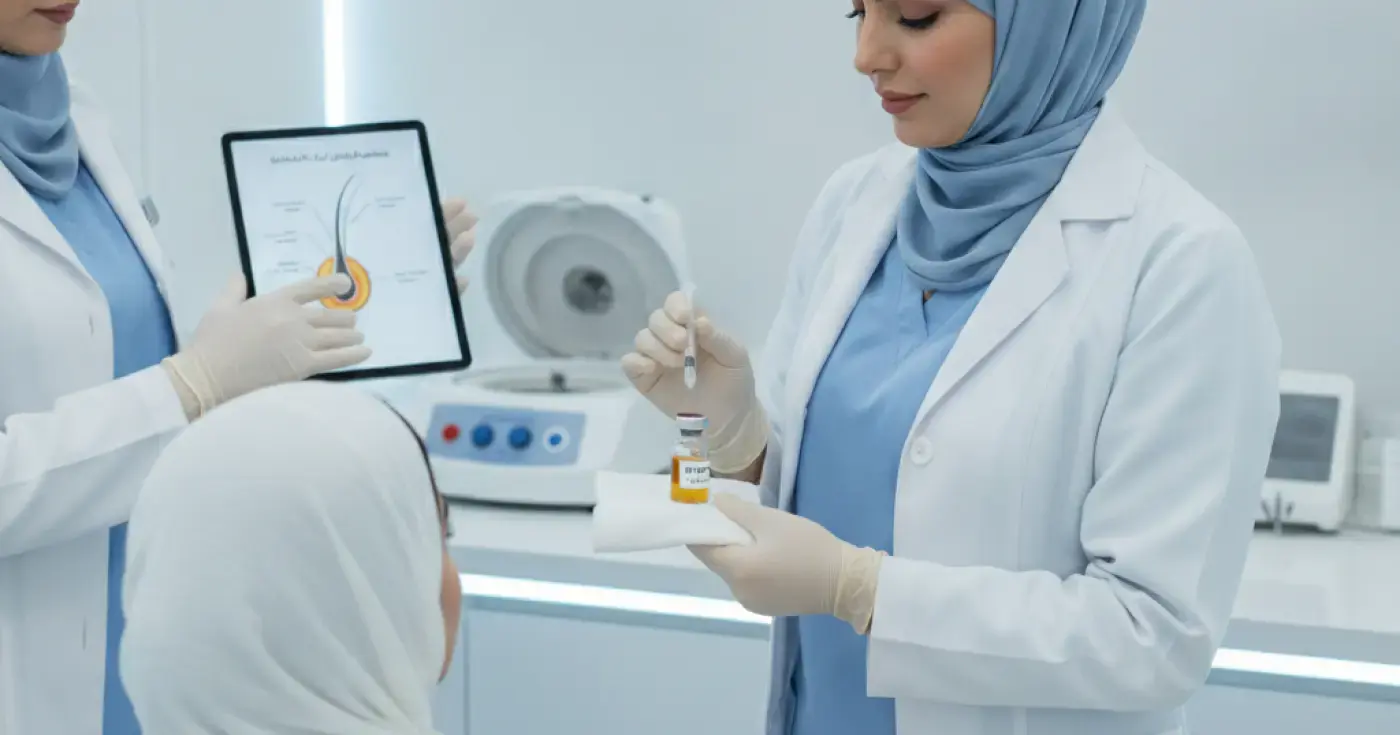
Discover if three PRP sessions are enough for hair and skin. Learn about the standard clinical protocol, expected timelines, and expert pre/post-care tips.

Read article

What to Expect After a PRP Session: Recovery, Tips, and Results

What to Expect After a PRP Session: Recovery, Tips, and Results

Learn what happens after a PRP session for face and hair. Discover the recovery timeline, essential post-care tips, normal side effects, and when to see results.

Read article