
Lahalak Medical PlatformDifferentiate Care
Discover if three PRP sessions are enough for hair and skin. Learn about the standard clinical protocol, expected timelines, and expert pre/post-care tips.
Advertisement
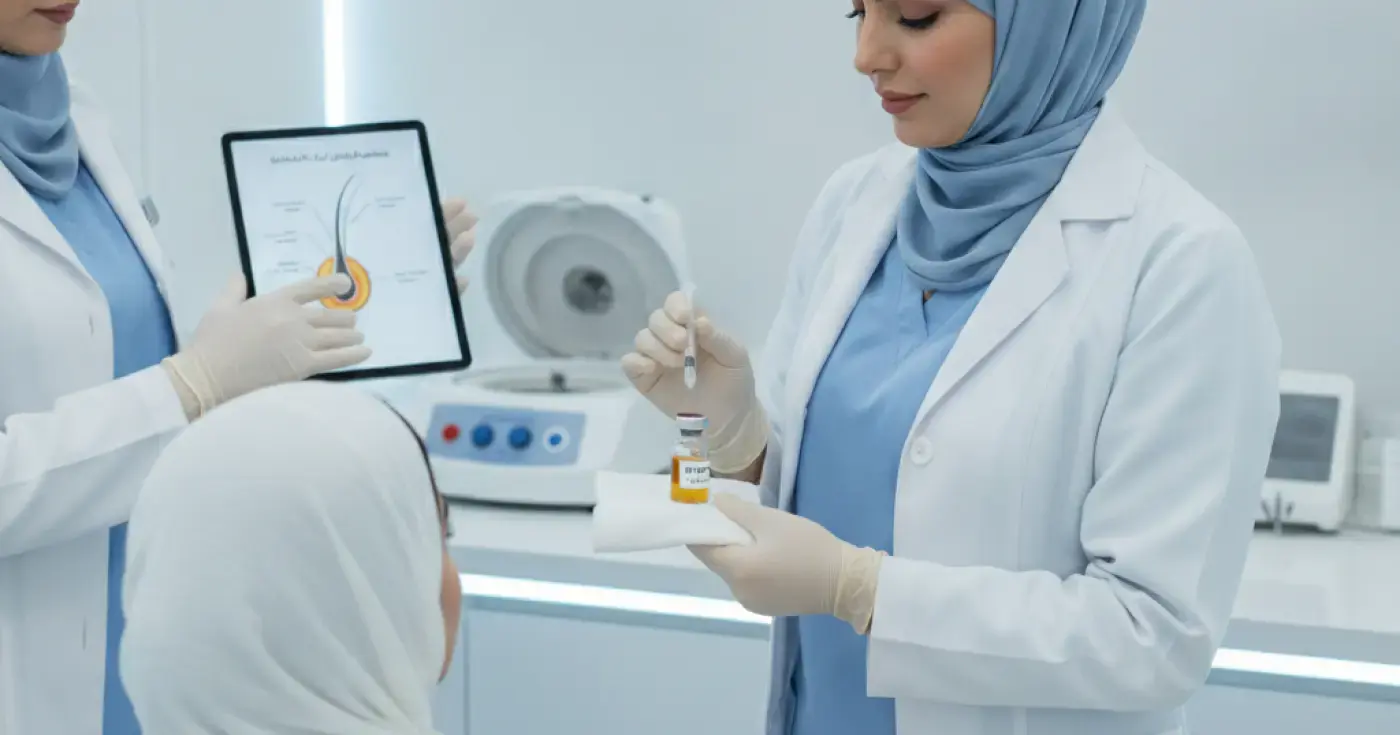
Platelet-Rich Plasma (PRP) therapy has emerged as one of the most popular non-surgical aesthetic and regenerative treatments in Saudi Arabia. This innovative procedure utilizes the patient's own blood to stimulate cellular regeneration and healing. A small sample of blood is drawn and processed in a specialized centrifuge to isolate and concentrate the platelets, which are rich in essential growth factors. These growth factors stimulate collagen production, activate stem cells, and accelerate tissue repair and hair follicle rejuvenation.
As more individuals turn to this natural treatment for hair loss and skin rejuvenation, a common question arises: Are three PRP sessions enough to see noticeable results? In this detailed clinical guide, we will explore the science behind the recommended number of sessions, the expected timeline for visible improvements, and how to optimize your outcomes.
From a clinical perspective, the short answer is yes—three sessions represent the standard foundational protocol required to begin seeing real, measurable improvements in both skin quality and hair density. However, it is crucial to understand that PRP is a progressive, cumulative therapy rather than an instant fix.
Dermatologists and aesthetic specialists typically recommend an initial intensive phase consisting of 3 to 4 consecutive sessions, spaced 4 to 6 weeks apart. This specific interval allows the skin cells and hair follicles adequate time to respond to the injected growth factors and initiate cellular division and neocollagenesis. Once this foundational phase is complete, patients transition to a maintenance phase, which usually involves a single touch-up session every 6 to 12 months, depending on individual response and goals.
The following table outlines the key differences in how PRP protocols are applied for skin rejuvenation versus hair restoration:
| Aspect of Comparison | Skin PRP (Rejuvenation) | Hair PRP (Restoration) |
|---|---|---|
| Primary Goal | Stimulate collagen, improve texture, reduce fine lines and acne scars | Strengthen follicles, reduce shedding, increase hair thickness and density |
| Foundational Sessions | Minimum of 3 sessions | 3 to 6 sessions depending on severity |
| Interval Between Sessions | 4 weeks | 4 to 6 weeks |
| Initial Visible Results | After the 2nd session (within 2 months) | After the 3rd session (within 3 to 4 months) |
| Maintenance Sessions | Every 6 to 12 months | Every 4 to 6 months |
The rate of tissue response to PRP varies based on individual biological factors. Here is a general timeline of what to expect during your treatment journey:
PRP outcomes are highly individualized. Several clinical and lifestyle factors play a decisive role in how well you respond to the initial three sessions:
A standard PRP session is a quick, in-office procedure taking approximately 30 to 45 minutes. It involves several straightforward steps:
First, a small amount of blood (about 10-20 ml) is drawn from the patient's arm. Second, the blood sample is placed in a specialized centrifuge tube and spun at high speeds to separate the platelet-rich plasma from other blood components. Third, the target area (face or scalp) is thoroughly cleansed, and a topical anesthetic cream is applied to ensure maximum comfort. Finally, the physician precisely injects the concentrated PRP into the superficial or mid-dermal layers using ultra-fine needles.
To ensure the best possible outcome from your three foundational sessions, it is vital to follow proper العناية بالبشرة بعد الليزر والتجميل protocols and adhere to these guidelines:
PRP is exceptionally safe because it utilizes autologous material (from your own body), virtually eliminating the risk of allergic reactions or rejection. However, minor, temporary side effects may occur, including mild redness, slight swelling at the injection sites, or small bruises that typically resolve within a few days.
Certain conditions contraindicate PRP therapy. These include chronic blood disorders, severe thrombocytopenia (low platelet count), active skin infections in the target area, cancer, or the ongoing use of high-dose anticoagulant therapies that cannot be safely paused.
In conclusion, a protocol of three PRP sessions is highly effective as an initial foundational step to achieve visible, positive changes in skin radiance or hair density for most candidates. However, determining the exact number of sessions tailored to your unique biological needs requires a professional consultation. A qualified dermatologist at a licensed clinic will evaluate your medical history, assess your skin or scalp condition, and design a personalized treatment plan to help you achieve your aesthetic goals safely and effectively.
Clear, direct answers
Advertisement
Continue exploring
Learn what happens after a PRP session for face and hair. Discover the recovery timeline, essential post-care tips, normal side effects, and when to see results.
Read article
Discover how Platelet-Rich Plasma (PRP) injections stimulate collagen and rejuvenate skin cells. Learn about the benefits, steps, and expected results.
Read article
Discover the clinical differences between facial and hair PRP therapy, including benefits, injection techniques, and recovery times.
Read article