
Lahalak Medical PlatformDifferentiate Care
Learn the difference between temporary acne marks and permanent scars, and explore advanced clinical treatments like lasers, microneedling, and subcision.
Advertisement
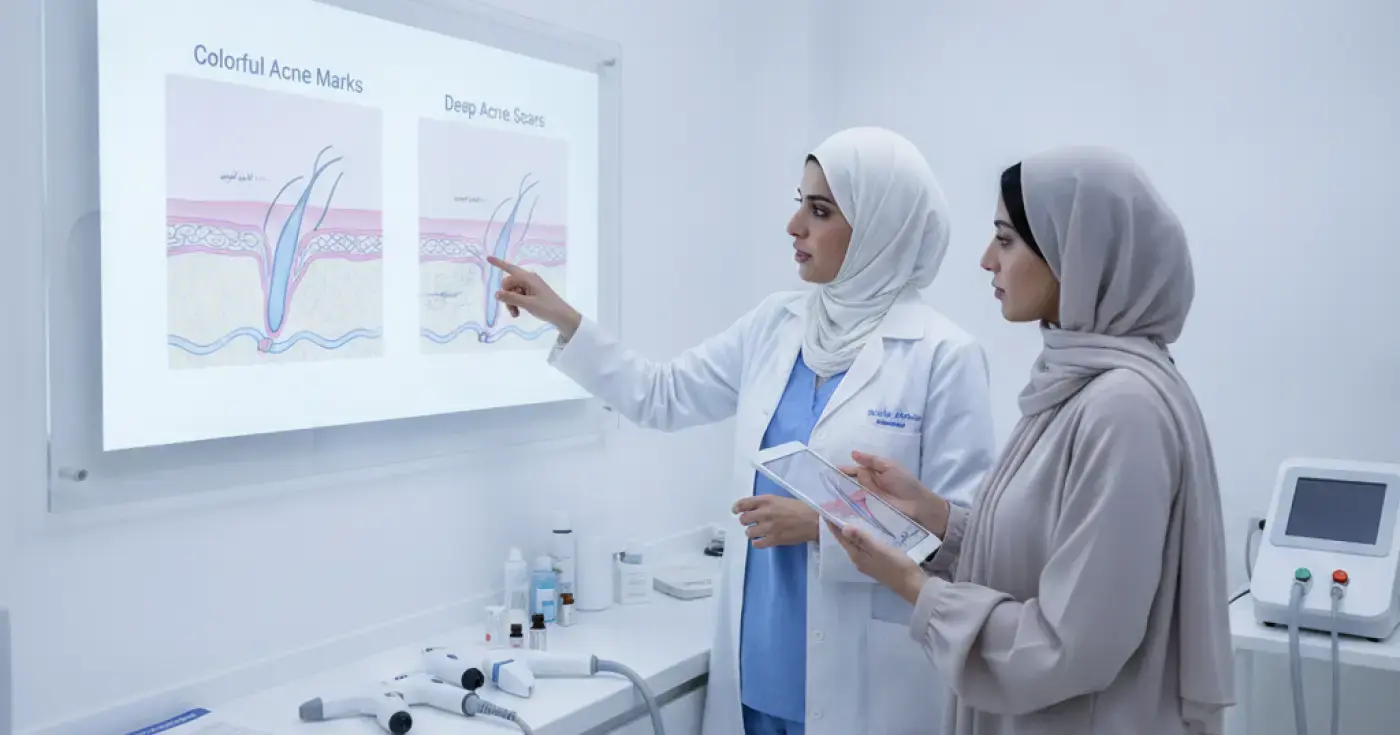
Acne is one of the most common skin conditions globally. While active breakouts eventually subside, they often leave behind traces that affect skin texture and tone. Many individuals confuse "acne marks" with "acne scars." Distinguishing between these two is not just a matter of terminology; it is clinical essential for choosing the correct treatment protocol and achieving optimal skin restoration.
In this comprehensive guide, we will explore the anatomical and clinical differences between acne marks and scars, detail advanced therapeutic options available in dermatology clinics, and explain how targeted Acne Scar Treatment can restore smooth, healthy skin.
The fundamental difference lies in how the skin tissue is affected during the healing process:
Post-acne marks are categorized into two main types based on their color and underlying biological mechanisms:
PIH presents as brown or dark spots. It occurs when inflammation from an acne lesion triggers melanocytes (pigment-producing cells) to release excess melanin. This type is highly prevalent in medium to dark skin tones and can worsen with sun exposure or physical manipulation of acne lesions.
PIE appears as red, pink, or purple flat marks. It is caused by damage or dilation of microscopic blood vessels (capillaries) near the skin surface during the active inflammatory phase of acne. PIE is more common in lighter skin tones and requires vascular-targeted treatments.
True acne scars are classified based on whether there is a loss or excess of collagen tissue:
These occur due to a loss of dermal tissue and collagen during healing, leaving depressions in the skin. They are sub-classified into three distinct shapes:
These occur when the body overproduces collagen during wound healing, resulting in raised, firm, and sometimes itchy masses on the skin surface. They are most commonly found on the jawline, chest, and back.
The following table summarizes the key clinical differences:
| Feature | Acne Marks | Acne Scars |
|---|---|---|
| Anatomical Level | Epidermal (surface color change). | Dermal (structural tissue change). |
| Skin Texture | Flat and smooth. | Uneven (depressed pits or raised bumps). |
| Color | Red, pink, brown, or dark. | Usually skin-colored or slightly pale. |
| Natural Resolution | Fades spontaneously over 3–6 months. | Permanent; does not resolve without treatment. |
| Primary Treatments | Topical actives, light chemical peels, IPL. | Lasers, microneedling, subcision, fillers. |
Because acne marks are superficial, treatments focus on accelerating cellular turnover, inhibiting pigment production, or calming vascular dilation:
Dermatologists often prescribe topical formulations containing active ingredients such as:
For faster results, clinical procedures include:
Structural scars require deeper dermal remodeling to stimulate collagen synthesis or release fibrous tissue:
Clinical Laser Resurfacing using Fractional CO2 or Erbium:YAG lasers is the gold standard for atrophic scars. The laser delivers controlled micro-thermal zones of injury to the dermis, prompting the body to produce new collagen and rebuild a smoother skin surface.
Radiofrequency (RF) Microneedling delivers thermal energy directly into the deep dermis via insulated microneedles. This stimulates collagen while sparing the epidermis, making it highly effective and safe for darker skin types prone to hyperpigmentation.
Particularly effective for rolling scars, subcision involves inserting a specialized needle beneath the scar to sever the fibrous bands pulling the skin down. Following subcision, Dermal Fillers can be injected to immediately lift the depression and stimulate localized collagen production.
Chemical Reconstruction of Skin Scars (CROSS) using high-concentration Trichloroacetic Acid (TCA) is used for ice pick scars. Precise application of TCA inside the narrow scar triggers localized inflammation, causing the deep pit to close and elevate over multiple sessions.
Effective scar revision rarely relies on a single modality. Most patients present with a combination of scar types and marks. A dermatologist will evaluate your skin under specialized lighting, determine the depth and type of scarring, and design a multi-step treatment plan. This plan may combine fractional lasers, subcision, and platelet-rich plasma (PRP) therapy to achieve optimal, natural-looking results.
Patience is key; collagen remodeling is a biological process that takes several months, and multiple sessions are typically required to achieve significant improvement while maintaining consistent Acne-Prone Skin Care.
Preventing scars is far easier and more cost-effective than treating them. Key preventive measures include:
If you have persistent active acne or notice early signs of pitting as your breakouts heal, consult a board-certified dermatologist. Early intervention is the most effective way to protect your skin from long-term structural damage and ensure a clear, healthy complexion.
Clear, direct answers
Advertisement
Continue exploring
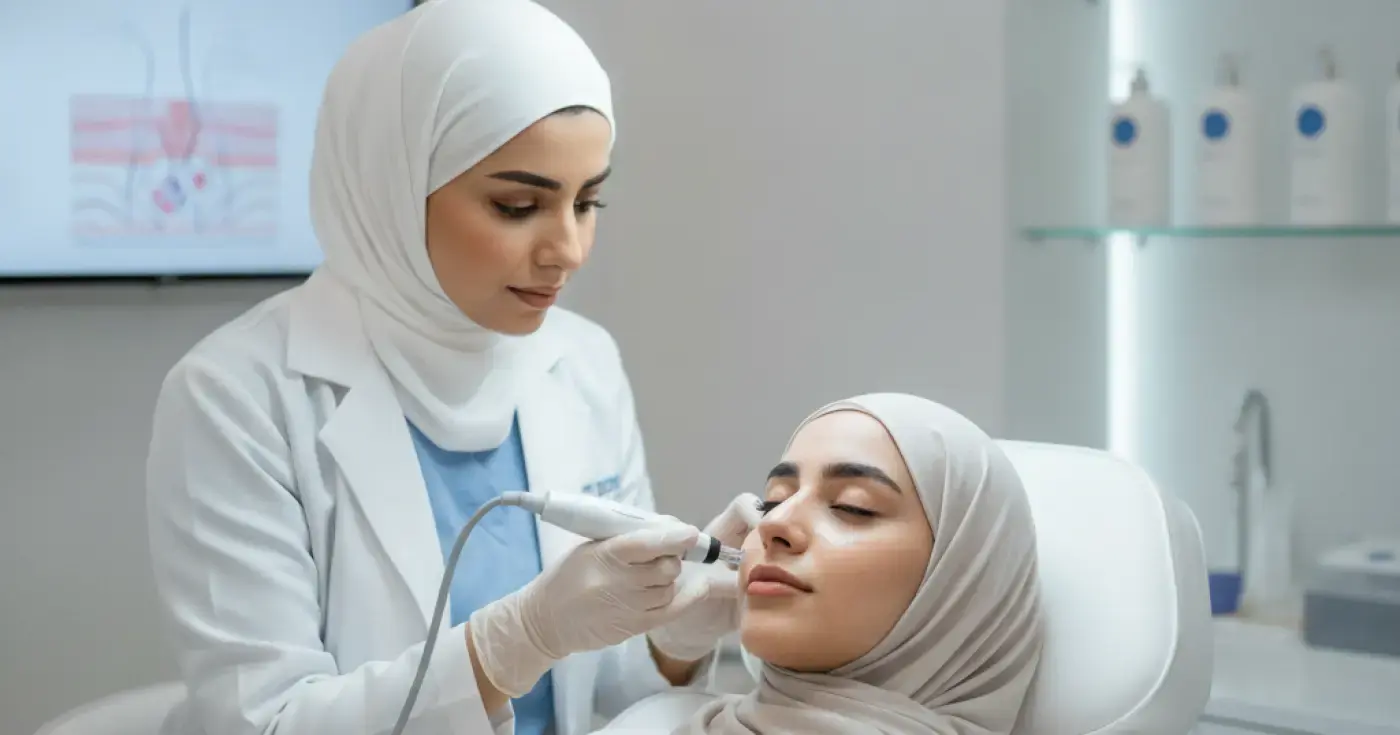
A comprehensive medical guide on microneedling for acne scars. Learn about expected results, number of sessions, types, and post-care tips.
Read article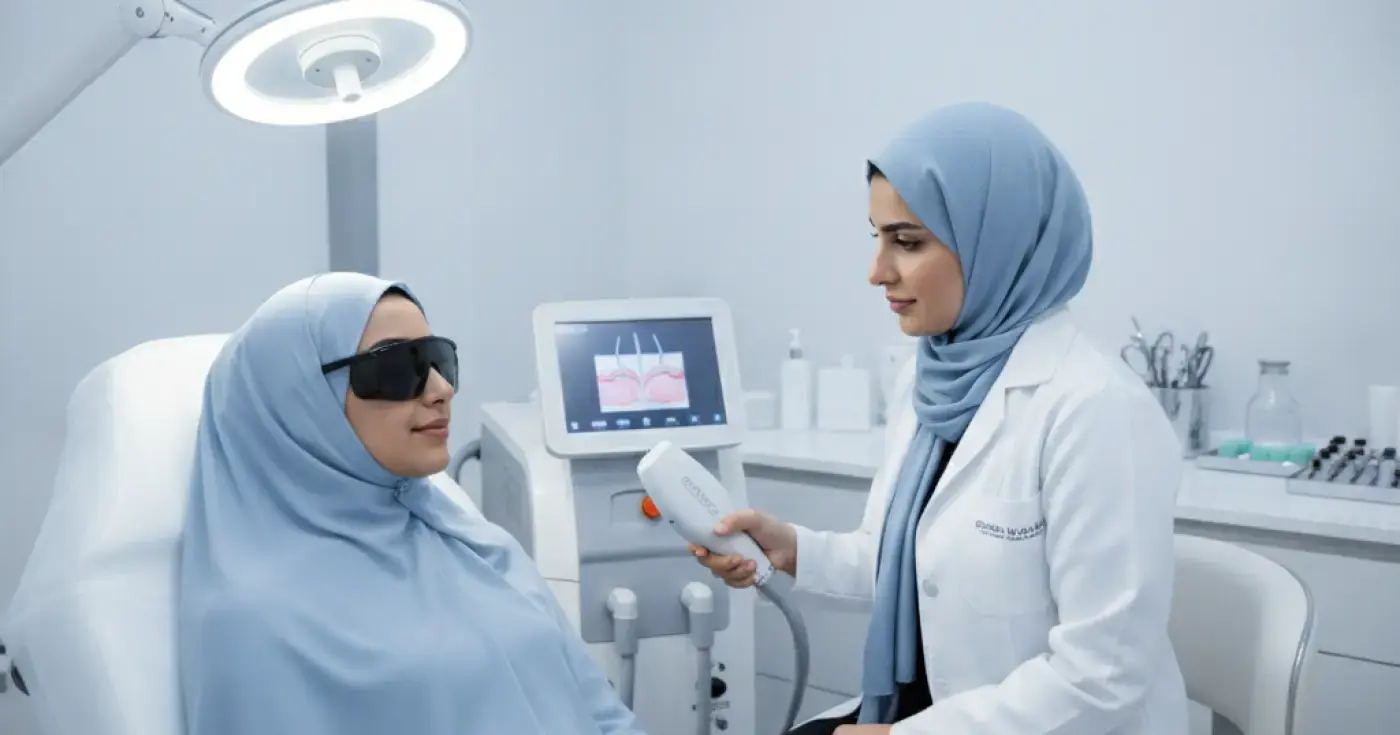
Discover how laser treatment can reduce acne scars. Learn about ablative vs. non-ablative lasers, ideal candidates, recovery, and essential post-care tips.
Read article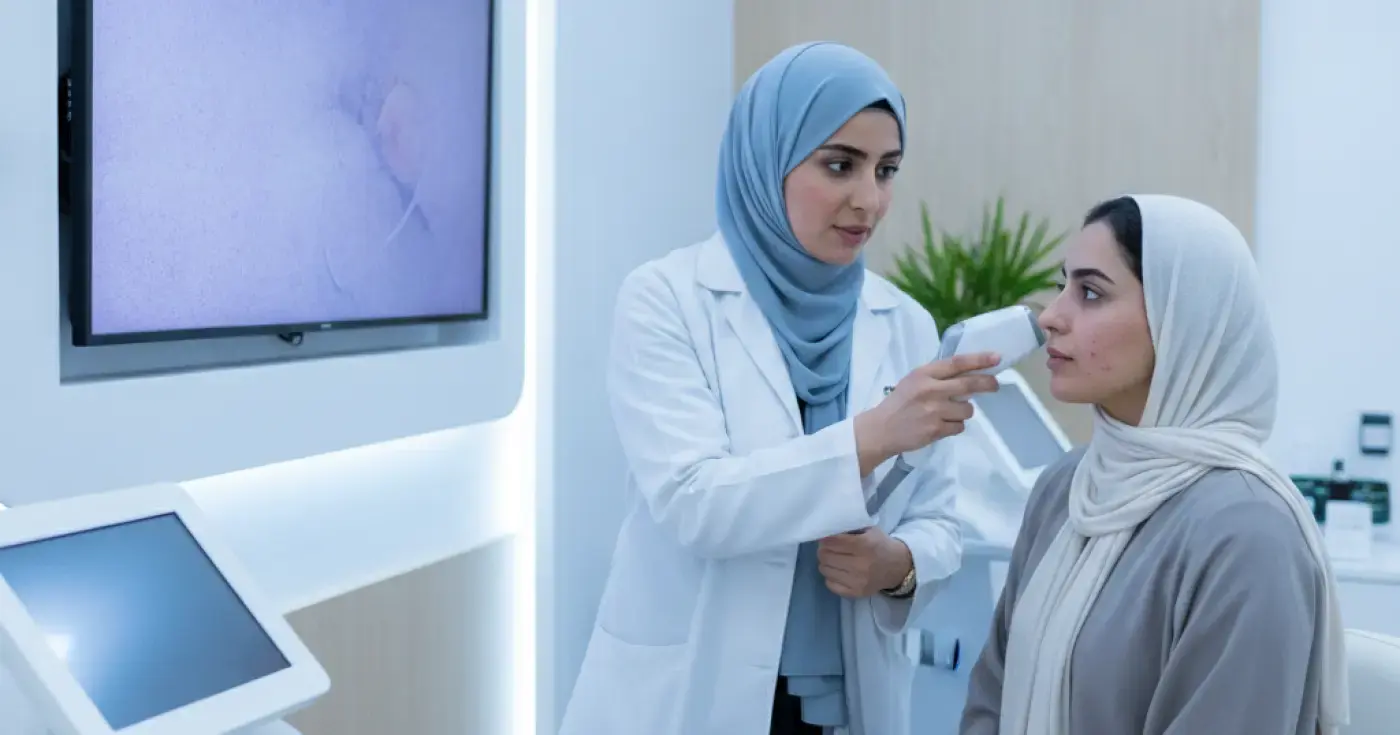
Discover the best medical treatments for deep acne scars, including fractional laser, subcision, and RF microneedling, with expert dermatologist tips.
Read article