
Lahalak Medical PlatformDifferentiate Care
A comprehensive medical guide on Botox injections for frown lines between the eyebrows, including benefits, procedure steps, and post-care tips.
Advertisement
The area between the eyebrows, medically known as the glabella, is one of the most common facial areas prone to early expression lines and wrinkles. Often referred to as frown lines or "11 lines," these wrinkles develop due to the repetitive contraction of facial muscles when expressing emotions such as anger, concentration, sadness, or even squinting in bright sunlight. Over time, as the skin loses its natural elasticity and collagen reserves, these dynamic, movement-induced lines can transition into static, permanent wrinkles that remain visible even when the face is completely at rest.
Today, Botox injections have become the most popular and widely requested non-surgical cosmetic procedure globally and in Saudi Arabia to address this concern. This article provides a comprehensive, objective, and clinically sound guide on how Botox treats glabellar expression lines, the clinical steps involved, the benefits and risks, and essential post-care tips to ensure natural-looking and safe results.
Botox is the common brand name for Botulinum Toxin Type A, a purified natural protein produced by specific bacteria. It acts as a targeted muscle relaxant through a precise mechanism at the neuromuscular junction. When injected in highly controlled, medical-grade doses into specific facial muscles, it temporarily blocks the release of acetylcholine, the neurotransmitter responsible for sending signals that instruct muscles to contract.
By temporarily blocking these signals, the targeted muscles relax, preventing the overlying skin from folding and creasing. Consequently, the skin in the glabellar region becomes smoother, and expression lines gradually soften. It is crucial to emphasize that Botox does not cause permanent muscle paralysis; its effects are temporary, gradually wearing off as the nerve endings recover their ability to transmit signals over time.
Achieving successful and natural-looking Botox results requires a deep understanding of facial anatomy by the treating physician. The injection process targets specific muscles in the glabellar complex, which include:
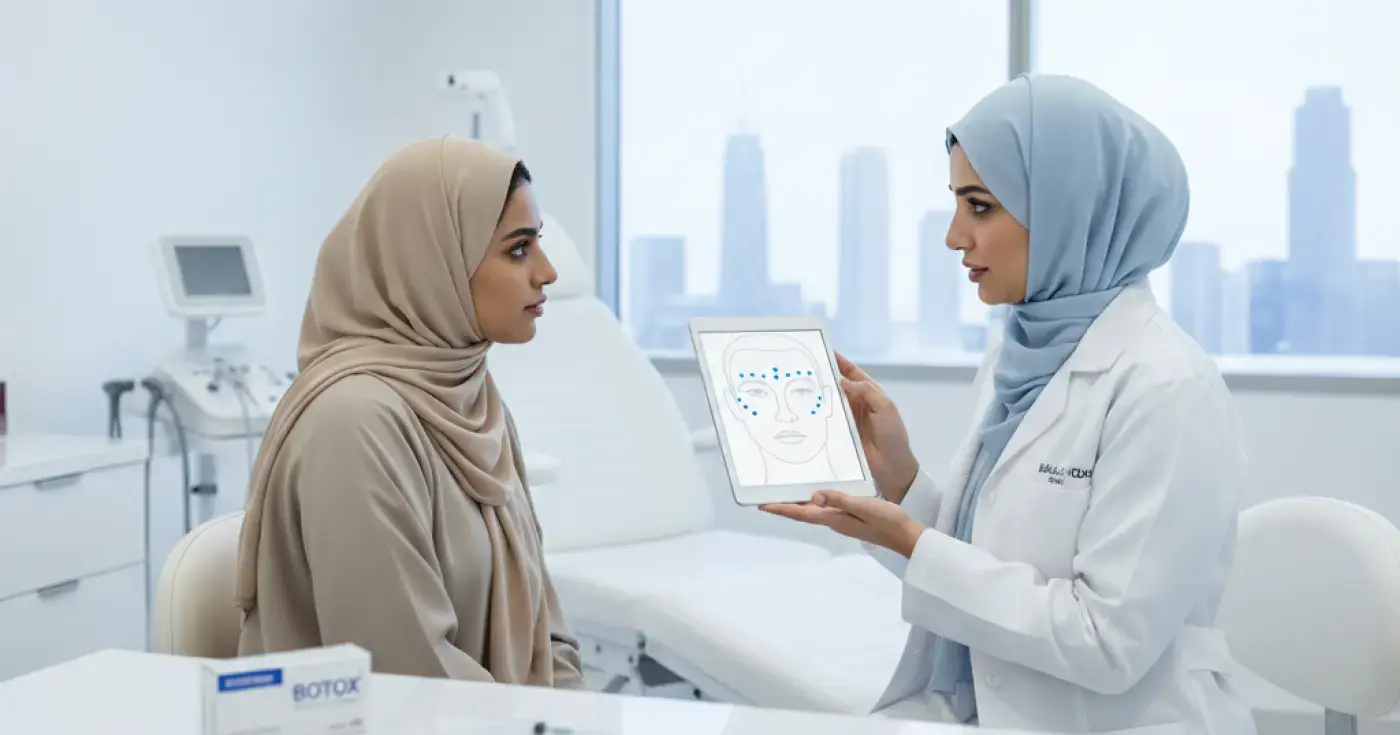
During a cosmetic medical consultation, the specialist evaluates the strength and movement of these muscles to determine the precise injection points and the appropriate dosage tailored to the patient's unique anatomy and wrinkle depth.
It is essential for patients to understand the difference between the two main types of wrinkles to establish realistic expectations for their treatment outcomes:
| Feature | Dynamic Wrinkles | Static Wrinkles |
|---|---|---|
| Definition | Wrinkles that appear only during facial expressions and muscle movement. | Wrinkles that remain visible even when the face is completely relaxed. |
| Primary Cause | Repetitive contraction of facial expression muscles. | Loss of collagen and elasticity, aging, and chronic sun damage. |
| Ideal Treatment | Respond exceptionally well to Botox injections. | Often require a combination of Botox and dermal fillers or skin resurfacing treatments. |
| Treatment Goal | Relax muscles to prevent lines from forming and protect skin from permanent creasing. | Soften the depth of lines and improve overall skin texture, rather than erasing them completely with Botox alone. |
Botox injection is a quick, minimally invasive office procedure that does not require general anesthesia or hospitalization. The typical clinical steps include:
The procedure begins with a consultation where the physician reviews the patient's medical history, rules out contraindications, and discusses aesthetic goals. The doctor assesses facial muscle movement by asking the patient to frown or squint, identifying the exact injection points.
The target area is thoroughly cleansed with a medical antiseptic to prevent infection. Although the discomfort associated with the injections is minimal and often described as a minor pinch, a topical numbing cream or ice pack can be applied to the area beforehand to ensure maximum patient comfort.
Using an ultra-fine needle designed for cosmetic procedures, the physician injects precise, small amounts of Botox into specific points within the glabellar muscles (typically 5 to 7 injection points). The entire injection process takes approximately 10 to 15 minutes.
Botox results are not immediate. The medication requires time to bind to the nerve receptors within the muscle tissue. Initial softening of the lines is typically noticeable within 3 to 5 days after the procedure, as patients begin to feel a reduction in muscle contraction. The full, optimal effect of the treatment is achieved 10 to 14 days post-injection.
The results of Botox between the eyebrows generally last between 3 to 6 months. This duration varies among individuals based on factors such as metabolic rate, muscle mass, and lifestyle. As the product gradually breaks down, muscle movement returns to normal, and patients can safely repeat the treatment to maintain their smooth, youthful appearance as advised by their physician.
While Botox is highly safe when administered by a qualified and licensed medical professional, some mild and temporary side effects can occur, including:
Botox injections are strictly contraindicated for individuals who:
Proper post-Botox skin care and strict adherence to medical instructions are vital to ensure optimal results and prevent complications or product migration. Key recommendations include:
Botox remains the gold standard and most effective treatment for softening glabellar expression lines, helping restore a relaxed and youthful appearance without surgery. To achieve the best clinical outcomes and ensure absolute safety, this cosmetic procedure should always be performed in licensed medical clinics by qualified dermatologists or plastic surgeons certified by the Saudi Commission for Health Specialties (SCFHS).
Clear, direct answers
Advertisement
Continue exploring
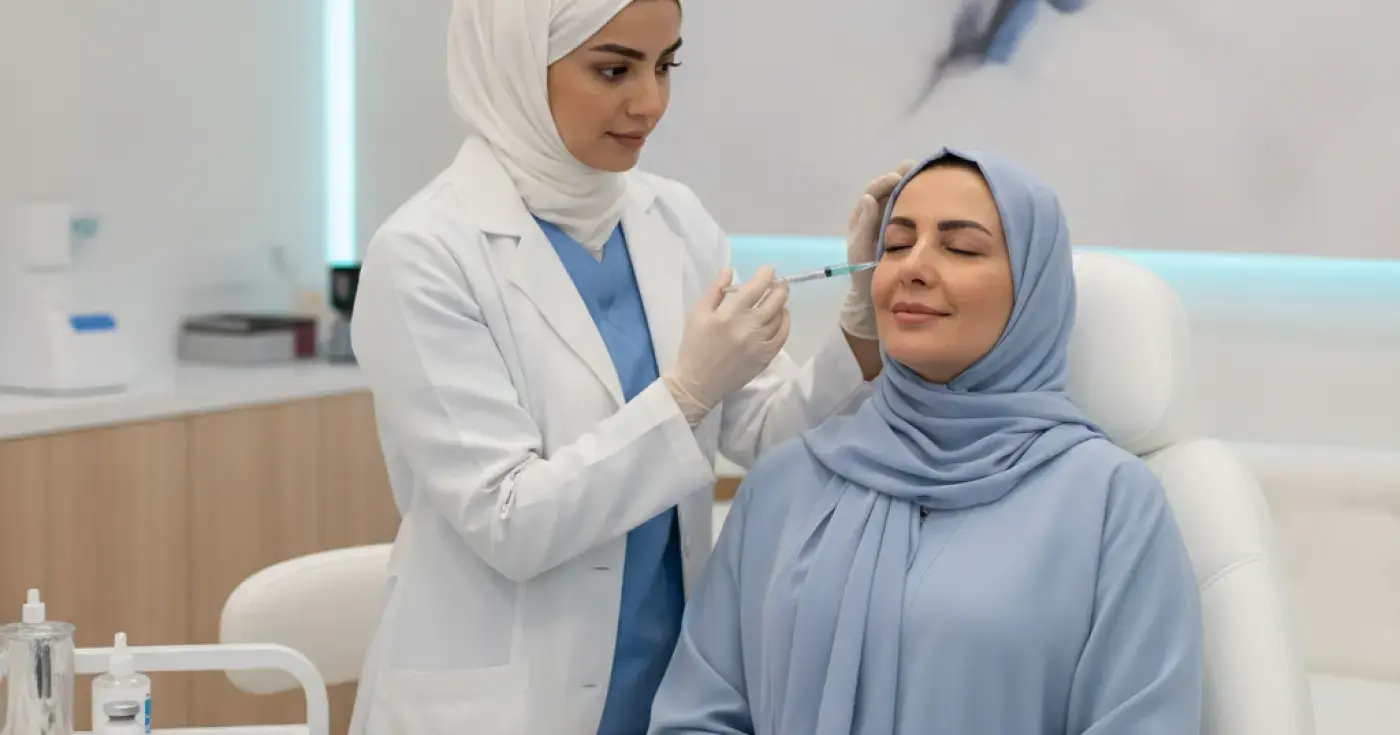
Learn how Botox treats under-eye lines and crow's feet. Discover results, side effects, and expert care tips in this comprehensive medical guide.
Read article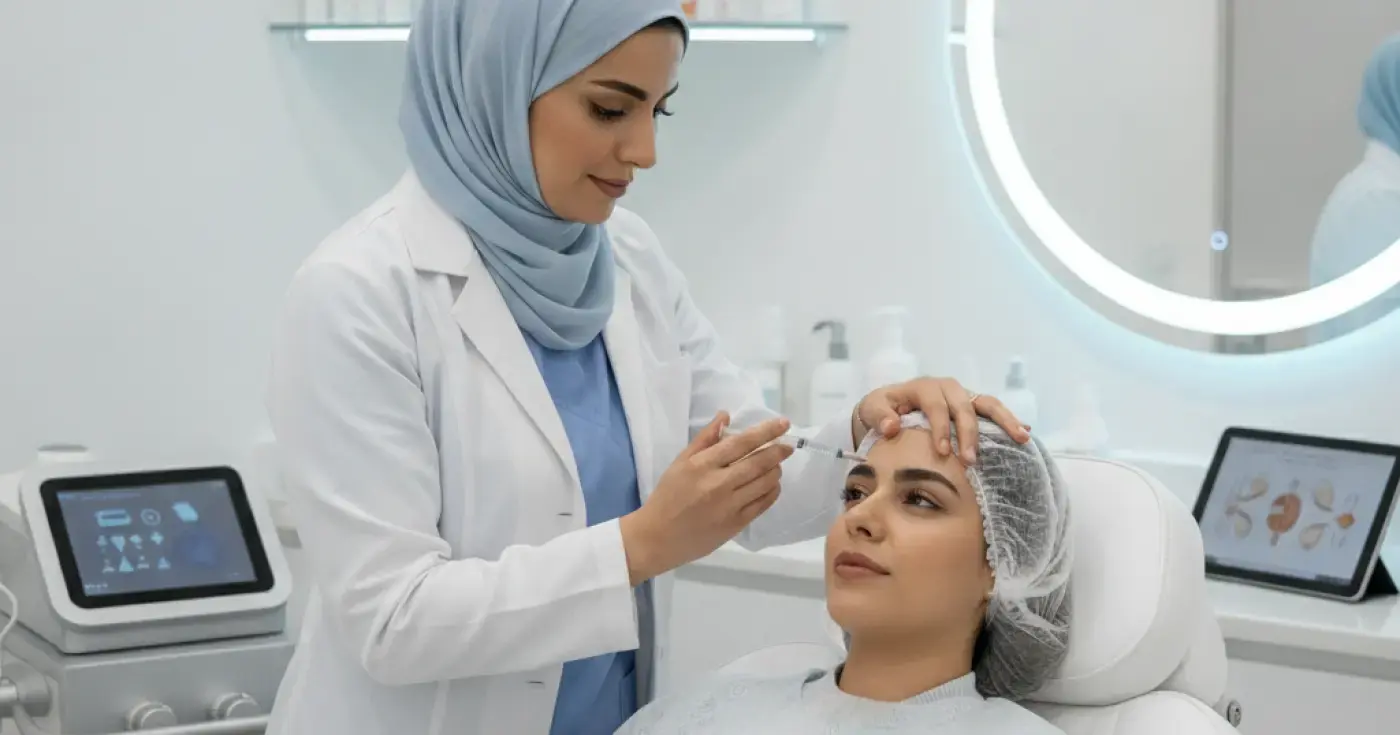
Learn when forehead Botox results appear, factors affecting the timeline, and essential post-care tips for long-lasting, natural results.
Read article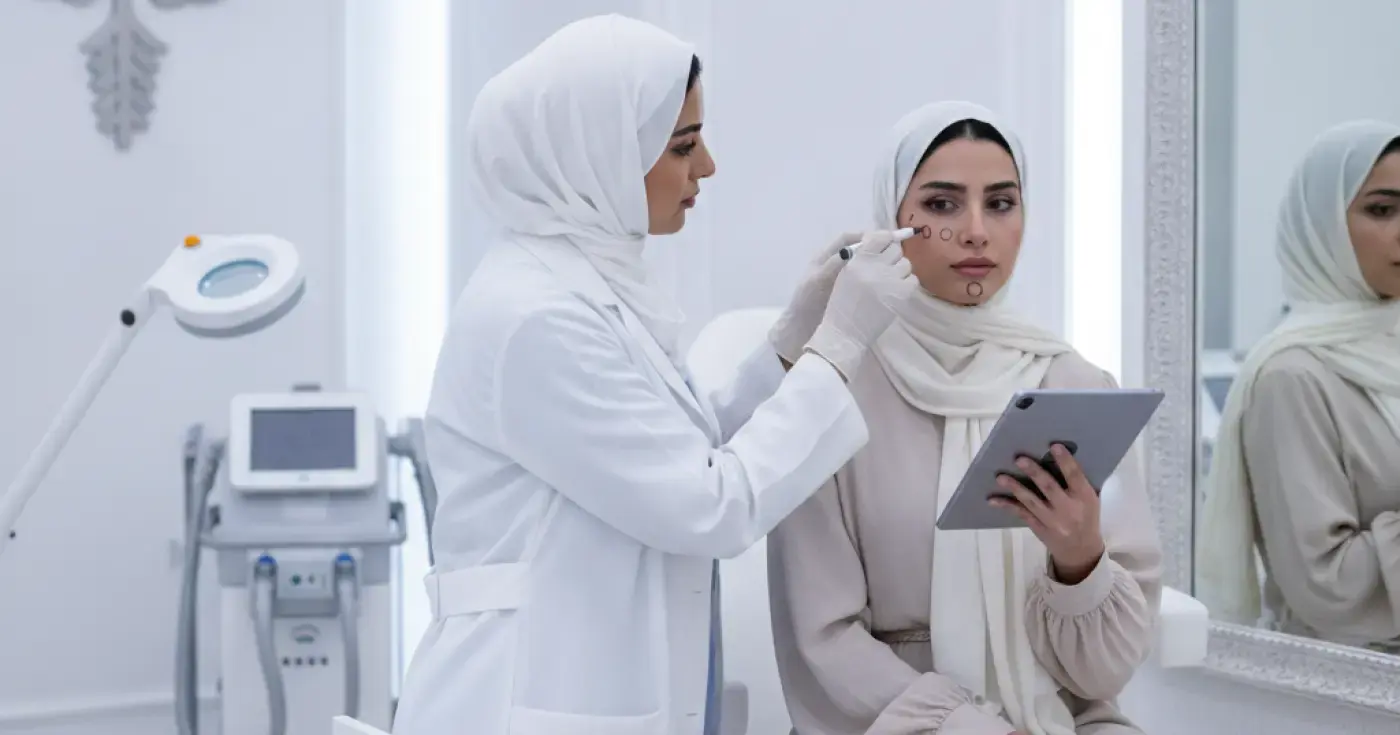
Discover the target areas for full-face Botox, from the forehead to the jawline. Learn about the procedure, benefits, and recovery tips.
Read article