
Lahalak Medical PlatformDifferentiate Care
Discover the most effective medical and cosmetic treatments for active acne and scar removal. Learn about lasers, peels, and clinical skincare.
Advertisement
Acne vulgaris is one of the most prevalent dermatological conditions worldwide, significantly impacting not only physical appearance but also the psychological and social well-being of those affected. It occurs when hair follicles become clogged with dead skin cells and excess sebum, creating an ideal environment for acne-causing bacteria to thrive. In Saudi Arabia, understanding available treatment options is crucial due to environmental and climatic factors that can influence skin health.
Dermatologists classify acne into several severity levels to determine the most effective treatment plan:
Topical therapies are the first line of defense for mild to moderate acne. These include topical retinoids to promote cell turnover and prevent clogged pores, salicylic acid to deeply cleanse pores, and benzoyl peroxide or topical antibiotics to combat bacterial growth and inflammation.
For moderate to severe cases, dermatologists may prescribe oral antibiotics to control inflammation, or hormonal therapies for women with hormonal imbalances. Isotretinoin remains the most effective systemic treatment for severe, recalcitrant nodular acne, requiring strict medical supervision and regular laboratory monitoring of liver function and lipid levels.
Professional chemical peeling sessions utilizing salicylic acid or glycolic acid help remove dead skin cells, regulate sebum production, and improve overall skin texture while actively fighting acne breakouts.
Blue and red light therapies target acne-causing bacteria and reduce inflammation within the sebaceous glands, offering a drug-free adjunctive treatment option for suitable candidates.
Acne scars are generally classified into atrophic scars (such as boxcar, rolling, and icepick scars) and hypertrophic or keloid scars. Each type requires a tailored clinical approach to achieve optimal aesthetic outcomes.
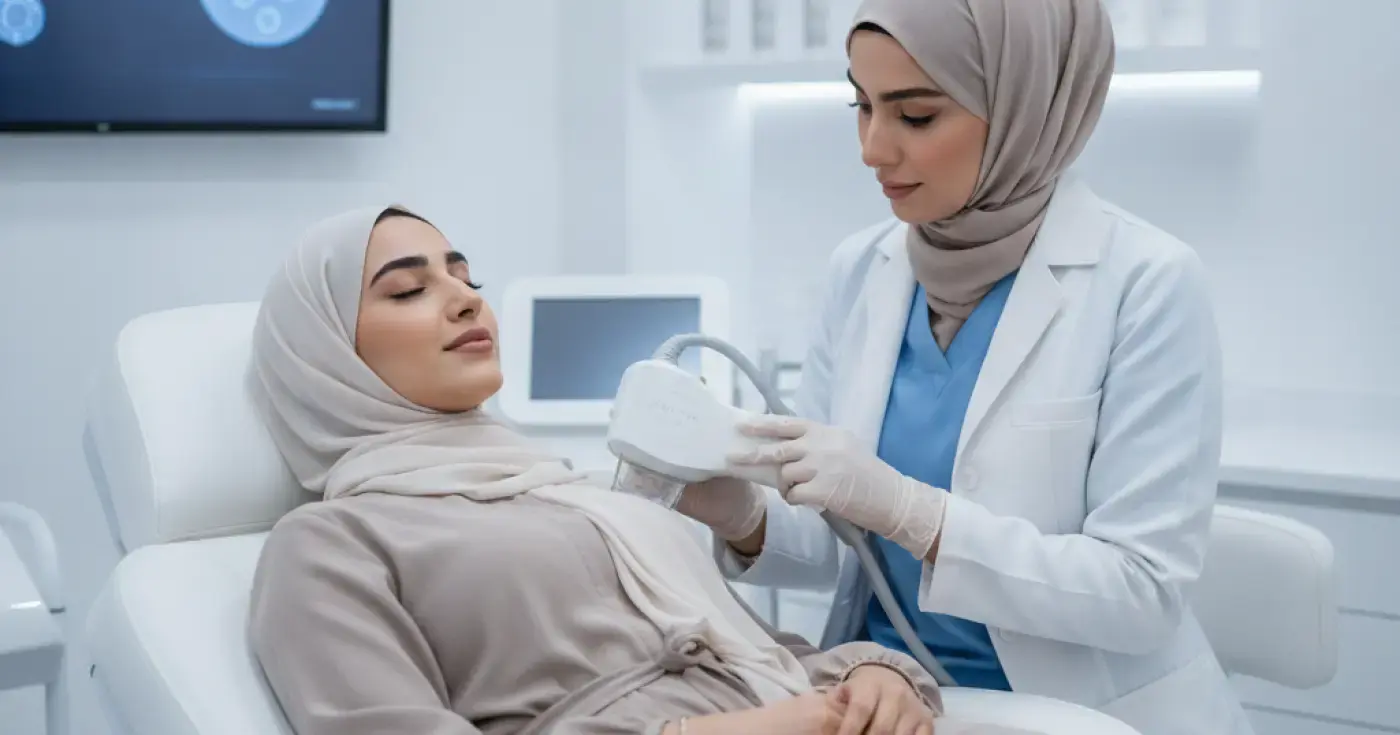
Advanced fractional CO2 laser is considered the gold standard for treating deep atrophic scars, working by delivering micro-thermal treatment zones to stimulate collagen production and resurface the skin. Other effective procedures include subcision to release deep fibrous bands, microneedling to trigger natural skin healing, and dermal fillers to restore volume to depressed scars.
| Cosmetic Procedure | Target Scar Type | Mechanism of Action | Expected Recovery Time |
|---|---|---|---|
| Fractional CO2 Laser | Atrophic, moderate to deep scars | Micro-thermal ablation to stimulate collagen | 5 - 7 days |
| Subcision | Deep, tethered rolling scars | Releasing underlying fibrous bands pulling skin down | 2 - 4 days |
| Microneedling (Dermapen) | Superficial scars and pigmentation | Creating micro-channels to trigger natural healing | 24 - 48 hours |
| Deep Chemical Peels | Hyperpigmentation and shallow scars | Exfoliating damaged skin layers to renew cells | 3 - 5 days |
Maintaining treatment results requires a balanced daily routine, including a gentle oil-free cleanser, a lightweight non-comedogenic moisturizer, and a broad-spectrum sunscreen to protect the skin from post-inflammatory hyperpigmentation exacerbated by UV exposure.
It is highly recommended to seek a professional dermatologist consultation at the onset of severe acne or when scarring begins to develop, ensuring a safe, personalized, and clinically sound treatment pathway.
Managing active acne and its subsequent scars is a clinical journey that demands patience and adherence to specialist guidance. With modern advancements in medical and cosmetic dermatology, achieving clear, healthy skin is highly achievable and safe.
Clear, direct answers
Advertisement
Continue exploring
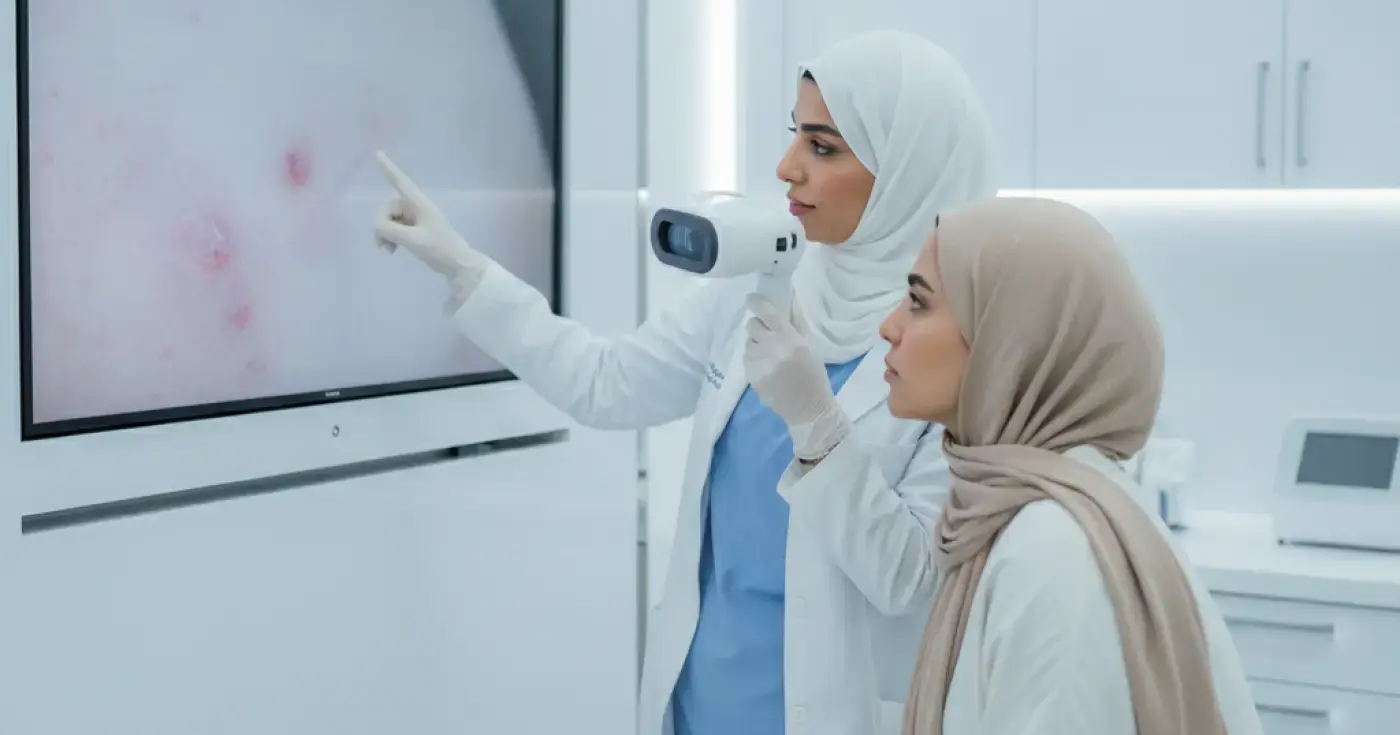
Learn the difference between acne marks and permanent scars, how long they take to fade, and the best clinical treatments available for clear skin.
Read article
Discover the causes of acne in oily skin and the best daily skincare routine, active ingredients, and medical tips to prevent breakouts.
Read article
A comprehensive medical guide to hormonal acne, its causes, symptoms, clinical treatments, and daily skincare tips to prevent scarring.
Read articleExplore the topic