
Lahalak Medical PlatformDifferentiate Care
Discover the clinical benefits of steam facials and blackhead removal. Learn safe extraction methods, risks, and post-care tips.
Advertisement
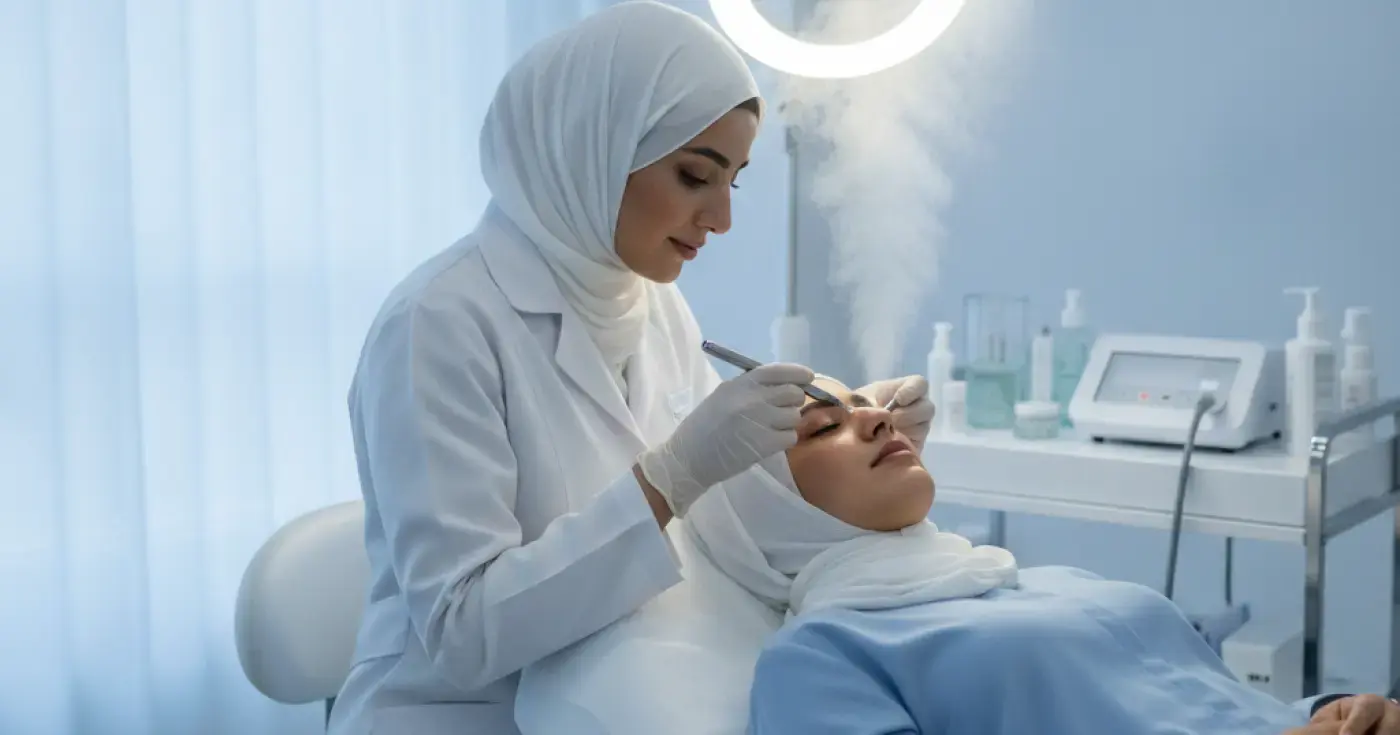
Facial steaming is one of the oldest and most popular methods in skincare, utilized both as a home remedy and as a foundational step in professional clinics across Saudi Arabia during deep skin cleansing sessions. This procedure relies on exposing the face to warm water vapor for a specific duration to improve overall skin appearance and health. However, improper use of steam can lead to adverse effects such as dehydration or thermal burns. Therefore, understanding the scientific mechanism, benefits, and precautions is essential to ensure optimal and safe results.
When the skin is exposed to warm steam, several physiological reactions occur. First, the gentle heat induces localized vasodilation, increasing the flow of oxygen-rich and nutrient-rich blood to skin cells, which imparts a healthy, radiant glow. Second, steam hydrates and softens the outer layer of the skin (stratum corneum), making it easier to shed accumulated dead skin cells. Third, steam helps melt and loosen hardened excess sebum within the pores, paving the way for deep cleansing without the need for aggressive squeezing that can damage surrounding tissues.
When performed correctly, facial steaming offers a wide range of therapeutic and aesthetic benefits, including:
Blackheads are clogged pores filled with a mixture of dead skin cells and sebum that have oxidized upon exposure to air, turning dark. Attempting to squeeze these comedones while the skin is dry can rupture delicate capillaries, leave permanent scars, or push inflammation deeper into the dermis. Steam plays a vital role here by hydrating and softening these sebaceous plugs, allowing for gentle extraction using sterile tools or clinical techniques without damaging the surrounding skin barrier.
To reap the benefits of steam while avoiding damage at home, follow these clinical guidelines carefully:
The following table outlines the key differences between performing a steam facial at home and undergoing one in a specialized dermatology clinic:
| Feature | Home Facial Steaming | Clinical Facial Steaming |
|---|---|---|
| Safety and Control | Higher risk of burns and irritation due to difficulty in controlling temperature and distance. | Highly safe, supervised by professionals using calibrated medical-grade devices. |
| Extraction Tools | Often relies on manual squeezing or unsterilized tools, risking scars and infections. | Uses sterile medical extractors and advanced hydrodynamic suction technologies. |
| Post-Care and Hydration | Limited to standard over-the-counter moisturizers without precise customization. | Application of specialized medical serums infused deeply into open pores for lasting results. |
| Suitability for Sensitive Skin | Not recommended without prior specialist consultation to avoid worsening skin conditions. | The skin is clinically evaluated, and the session is customized to suit conditions like rosacea. |
Despite its benefits, facial steaming is not suitable for everyone. Extreme caution or complete avoidance is advised in the following scenarios:
Caring for your skin after steaming is a crucial step to soothe the barrier and protect it from external aggressors:
Immediately after steaming, rinse your face with lukewarm or cool water to help soothe the skin and constrict dilated blood vessels. Next, apply an alcohol-free toner to restore the skin's pH balance, followed by a hydrating serum containing hyaluronic acid or niacinamide to lock in moisture. Avoid using strong chemical exfoliants like glycolic acid or retinol immediately after steaming, as the skin is highly sensitive and prone to irritation. Finally, always apply a broad-spectrum sunscreen if you plan to go outdoors to protect the vulnerable skin from UV damage.
If you suffer from stubborn, deep-seated blackheads, or if you notice persistent redness, irritation, or scarring after attempting facial steaming, it is crucial to consult a dermatologist. A specialist can evaluate your skin type and recommend professional treatments such as a chemical peel or prescribe topical retinoids that prevent blackheads from forming in a safe, scientifically proven manner, avoiding self-treatments that may compromise your skin health.
Clear, direct answers
Advertisement
Continue exploring
Discover how laser lip lightening works, expected results, recovery tips, and potential risks in this comprehensive medical guide.
Read article
Can you combine facial, eyebrow, and body laser hair removal in one session? Learn about the clinical safety guidelines, benefits, and risks.
Read article