
Lahalak Medical PlatformDifferentiate Care
A comprehensive medical guide on pre- and post-care for cryolipolysis (body contouring) to maximize fat reduction and ensure safe recovery.

Advertisement
In recent years, the field of aesthetic medicine has shifted significantly toward non-invasive procedures that offer patients effective and safe results without the need for prolonged downtime, general anesthesia, or major surgical risks. Among these advanced techniques, Cryolipolysis, commonly known as CoolSculpting, has emerged as a premier choice in Saudi Arabia for targeting stubborn, localized fat deposits.
This comprehensive clinical guide is designed to provide you with evidence-based recommendations and practical tips for both pre- and post-treatment phases. Understanding these steps is essential to maximize your fat reduction results, ensure a smooth recovery, and maintain your sculpted contour over the long term.
Cryolipolysis is based on the scientific principle that subcutaneous fat cells are naturally more vulnerable to cold temperatures than surrounding tissues such as skin, nerves, and blood vessels. By applying controlled, precise cooling to the target area, the device induces programmed cell death (apoptosis) in the fat cells without damaging the overlying skin.
Over the subsequent weeks and months, the body's lymphatic system naturally processes and permanently eliminates these dead fat cells. This gradual clearance results in a visible reduction of the fat layer in treated areas, making it highly effective for stubborn pockets of fat in the abdomen, flanks, thighs, and submental (double chin) areas.
It is clinically important to note that cryolipolysis is not a weight-loss solution or a treatment for obesity. Instead, it is a body contouring procedure. Ideal candidates typically meet the following criteria:
Proper preparation before your session helps minimize side effects such as bruising and skin irritation. Follow these clinical guidelines prior to your appointment:
A detailed Aesthetic Consultation is the first and most critical step. Your physician will assess the thickness of your fat layer, evaluate skin laxity, and review your medical history to rule out contraindications such as hernias in the treatment zone.
To minimize the risk of bruising and hematoma, avoid taking blood-thinning medications and supplements for at least one week before your session (under medical supervision). These include aspirin, ibuprofen, fish oil (omega-3), and high-dose vitamin E.
Drink plenty of water in the days leading up to your treatment to support lymphatic circulation. Additionally, avoid direct sun exposure or tanning on the target area, as sunburned or irritated skin cannot be treated safely.
Arrive at the clinic wearing loose-fitting garments. A protective gel pad is placed on the skin during the procedure, and wearing comfortable clothing prevents friction and irritation on the treated area immediately afterward.
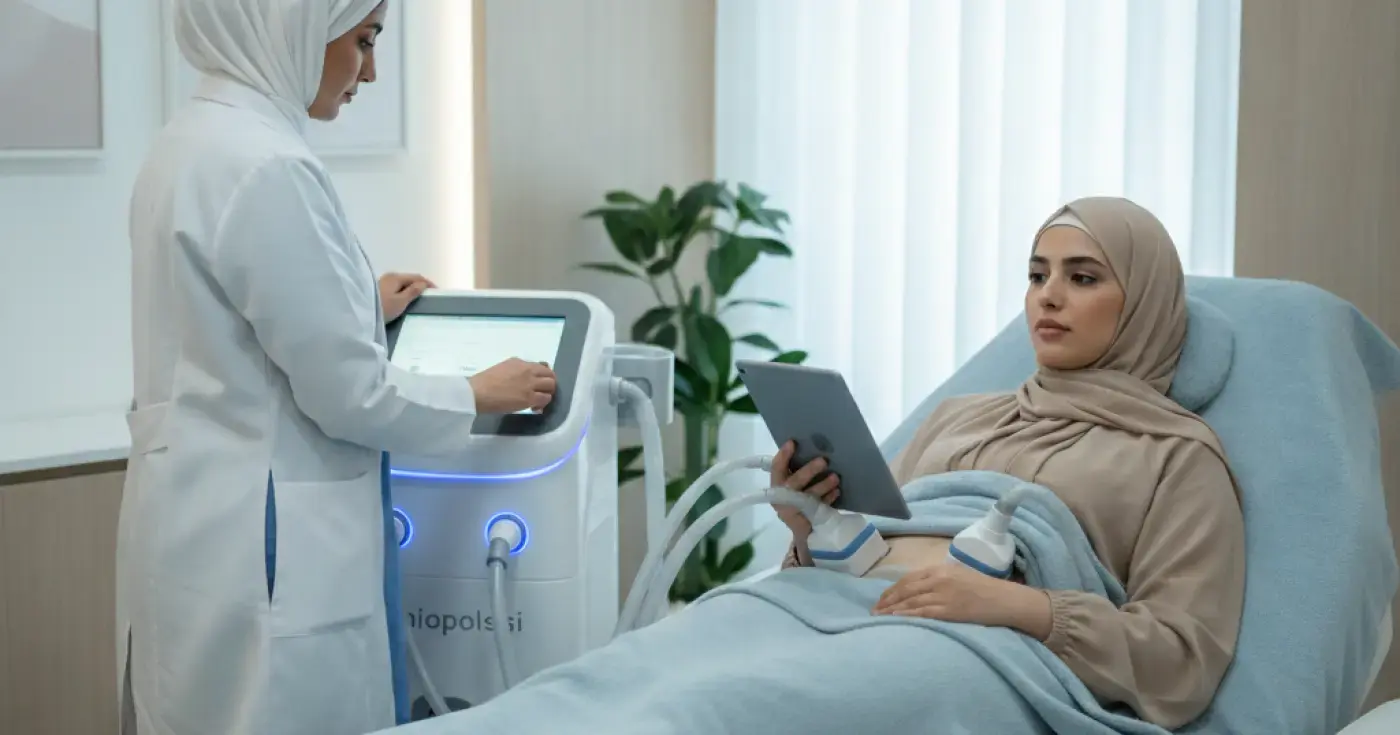
At the start of the session, a gel pad is applied to protect your skin. The applicator is then positioned, using a vacuum to draw the fat tissue into the cooling cup. You will feel a sensation of pulling, tugging, and intense cold for the first 5 to 10 minutes. As the cooling takes effect, the area becomes numb, allowing you to read, work, or rest comfortably.
A typical session lasts between 35 and 60 minutes per area. Immediately after the applicator is removed, the practitioner will perform a vigorous 2-minute massage on the treated tissue. This clinical step is crucial as it helps break up the frozen fat cells, significantly enhancing the final fat-reduction outcome.
Your post-treatment habits play a vital role in how quickly your body processes the destroyed fat cells. Follow these medical recommendations for optimal recovery:
Water is essential for the lymphatic system to flush out the cellular debris of the destroyed fat cells. Aim to drink 2 to 3 liters of water daily in the weeks following your session to facilitate this natural clearance process.
Gently massaging the treated area for a few minutes daily during the first two weeks can improve local circulation and support the metabolic clearance of the targeted fat cells.
Mild soreness, swelling, and cramping are common as the tissue warms up and recovers. If needed, use paracetamol for pain management. Avoid anti-inflammatory drugs (NSAIDs) like ibuprofen during the first few days, as the natural inflammatory response is necessary to trigger fat cell elimination.
There is no downtime required, and you can return to normal activities immediately. Engaging in light physical exercise, such as walking, stimulates blood flow and lymphatic drainage, which can help accelerate your results.
The following table outlines what to expect during the recovery phases and the recommended actions for each stage:
| Timeline | Expected Symptoms | Recommended Actions |
|---|---|---|
| Days 1 - 3 | Redness, swelling, mild bruising, and localized numbness | Wear loose clothing, avoid hot baths, and maintain high water intake. |
| Weeks 1 - 2 | Mild itching, tenderness, and deep cramping sensations | Perform gentle self-massage, engage in light walking, and use paracetamol if needed. |
| Weeks 3 - 4 | Gradual resolution of side effects; very early changes may begin | Maintain a balanced diet and continue regular hydration. |
| Months 2 - 3 | Complete resolution of symptoms; visible contouring results | Schedule a follow-up clinical evaluation to assess the need for additional sessions. |
| Month 6+ | Final, stable aesthetic results achieved | Commit to a Healthy Lifestyle to preserve and maintain your new contour. |
While cryolipolysis is highly safe and approved by major regulatory bodies, including the Saudi Food and Drug Authority (SFDA), patients should be aware of potential temporary side effects:
The fat cells destroyed during cryolipolysis are permanently eliminated. However, the remaining fat cells in your body can still expand if you experience overall weight gain. To protect your investment and maintain your sculpted look, it is essential to adopt a sustainable healthy lifestyle. Focus on a nutrient-dense diet, portion control, and a consistent exercise routine combining cardiovascular activities with strength training.
Contact your treating clinic immediately if you experience any of the following warning signs:
Cryolipolysis is an outstanding, clinically proven tool for refining your body contour without surgery. However, achieving the best results depends on realistic expectations, proper candidate selection, and strict adherence to pre- and post-care instructions. At LahaLak, we always recommend consulting with a board-certified dermatologist or plastic surgeon to customize a treatment plan tailored safely to your unique anatomy.
Clear, direct answers
Advertisement
Continue exploring
Learn if cryolipolysis (fat freezing) results are permanent. Discover clinical insights, comparison tables, and tips to maintain your contoured body.
Read article
Discover the target areas for non-invasive body contouring, how Cryolipolysis works, expected results, and safety guidelines in this medical guide.
Read article
Discover the medical facts about body contouring vs. weight loss. Learn how cryolipolysis works, its benefits, and risks with LahaLak.
Read articleExplore the topic