
Lahalak Medical Platform
Learn the medical indications for primary cesarean section, including maternal, fetal, and placental factors, ensuring safety for mother and baby.

Childbirth is a natural physiological process, but certain clinical scenarios during pregnancy or labor necessitate a surgical delivery to ensure maternal and neonatal safety. A primary cesarean section refers to the first surgical delivery performed on a woman who has not previously undergone a C-section. Seeking timely clinical guidance through a cesarean section consultation helps expectant mothers understand when surgery becomes medically necessary.
The decision to perform a primary C-section is strictly based on clinical indications aimed at preventing adverse outcomes. These indications range from pre-planned factors identified during routine prenatal care to intrapartum emergencies arising during labor progression.
Several maternal anatomical and physiological factors can render vaginal delivery unfeasible or unsafe:
CPD occurs when the fetal head is too large or positioned in a way that prevents it from passing through the maternal pelvis. This mechanical mismatch impedes labor progress and increases the risk of birth trauma, making cesarean delivery necessary.
Anatomical barriers within the pelvis, such as large lower-segment uterine fibroids, pelvic tumors, or structural cervical abnormalities, can physically block the passage of the fetus during labor.
Vaginal delivery imposes significant physical stress. Maternal conditions such as severe cardiac disease, severe preeclampsia, or active genital herpes lesions at the time of labor justify a cesarean section to protect maternal stability and prevent neonatal viral transmission.
Fetal well-being and presentation significantly influence the delivery method decision:
The optimal position for vaginal birth is cephalic (head down). Fetal malpresentations, such as breech presentation (feet or buttocks down) or transverse lie (shoulder presentation), frequently require planned cesarean delivery to avoid cord entrapment or head entrapment.
During labor, continuous fetal heart rate monitoring tracks fetal oxygenation. Non-reassuring fetal heart rate patterns or acute hypoxia that fail to respond to conservative resuscitation necessitate emergency primary C-section delivery.
In twin or higher-order multiple pregnancies, cesarean delivery is often indicated if the first twin is not in a cephalic presentation or if complications such as monoamniotic twin gestation arise.
Complications involving the placenta and umbilical cord can severely compromise fetal blood supply and maternal hemodynamic stability:
Placenta previa occurs when the placenta covers the internal cervical os partially or completely. Vaginal delivery in this setting carries a high risk of life-threatening maternal hemorrhage, making scheduled cesarean section mandatory.
Premature separation of the placenta from the uterine wall before birth causes severe internal bleeding and fetal compromise, requiring emergent surgical intervention.
If the umbilical cord slips ahead of the presenting fetal part into the vagina, contraction of the uterus compresses the cord, rapidly cutting off oxygen supply. Immediate emergency C-section is mandatory.
Indications for a primary cesarean section fall into definitive criteria and scenarios requiring clinical judgment:
| Indication Category | Clinical Scenarios | Decision Context |
|---|---|---|
| Absolute Indications | Complete placenta previa, transverse fetal lie, cord prolapse, and severe pelvic birth canal obstruction. | Mandatory C-section required for maternal and fetal survival. |
| Emergency Indications | Acute non-reassuring fetal status, placental abruption, failure of labor progression with maternal/fetal distress. | Immediate intrapartum surgical delivery. |
| Individualized Indications | Failure to progress (stalled labor), suspected fetal macrosomia, controlled maternal hypertension, twin pregnancies. | Evaluated by clinicians based on maternal-fetal monitoring and labor dynamics. |
Obstetricians evaluate several objective criteria before confirming the need for a primary C-section:
When a primary cesarean delivery is scheduled, established clinical pathways are followed to optimize outcomes:
Expectant mothers should seek immediate emergency medical care if they experience any red-flag symptoms during pregnancy or labor:
Short answers that help clarify the key points related to this article.
Helpful services
Subscribe for new educational pregnancy and birth content from LahaLak.
Compare hospitals and prices by city and birth type, then continue to booking with clear steps.
From LahaLak guide
Medical article
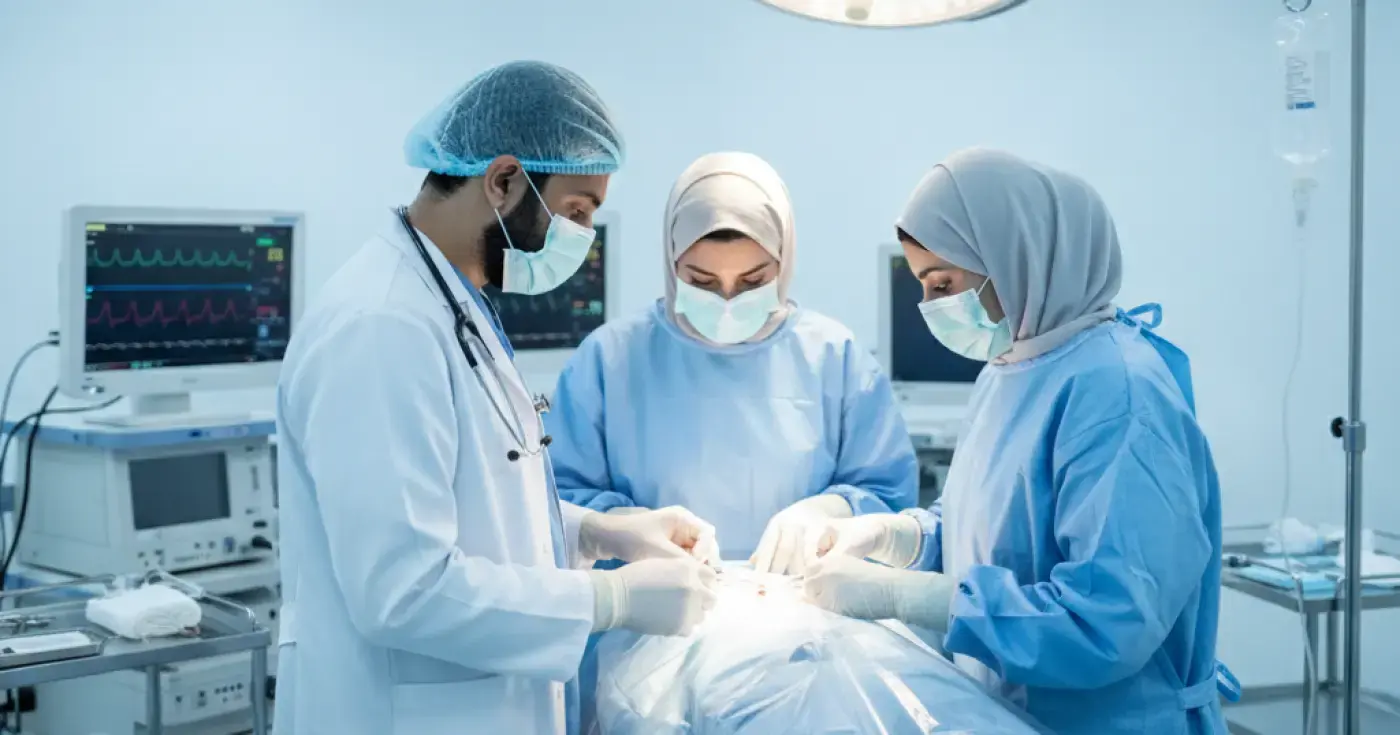
Learn what happens during your first cesarean section, from operating room prep to delivery and wound closure, explained safely and clearly.
Read article
Medical article
Learn about options for vaginal birth after 3rd or 4th-degree perineal tear, sphincter function evaluation, and personalized birth planning with your doctor.
Read article
Medical article
Learn about shoulder dystocia during labor, its causes, clinical management by delivery teams, potential risks, and safe postpartum recovery.
Read articleConnected next steps
 Routine Prenatal Care Program (9 Months)Ensure a safe and healthy maternity journey with our tailored 9-month pregnancy monitoring package. LahaLak connects you with top-tier obstetricians and gynecologists across Saudi Arabia for routine check-ups, precise lab tests, and ultrasound scans. Book your comprehensive care package today and enjoy peace of mind for you and your baby.
 Six Month Obstetric Prenatal Monitoring ProgramEnsure a safe and healthy maternity journey with our tailored 6-month pregnancy monitoring package. LahaLak connects you with top-tier obstetricians and gynecologists across Saudi Arabia for routine check-ups, precise lab tests, and ultrasound scans. Book your comprehensive care package today and enjoy peace of mind for you and your baby.
Explore the topic