
Lahalak Medical PlatformDifferentiate Care
Understand postpartum marital conflicts, differentiate normal stress from abuse, and learn how to seek professional support in Saudi Arabia.

Advertisement
The marital relationship can undergo significant changes after childbirth due to extreme fatigue, shifting roles in newborn care, financial pressures, family visits, and changes in physical intimacy. In many cases, these conflicts can be resolved through open communication, mutual support, and reallocating daily responsibilities. However, the presence of abuse, fear, control, violence, or severe symptoms of depression and anxiety requires a professional and safe intervention to ensure everyone's safety.
Sleep deprivation is one of the primary triggers of irritability and emotional exhaustion after birth. When both partners are sleep-deprived, their capacity to handle daily stressors decreases, leading to sharper emotional reactions over minor issues.
Couples often enter parenthood with unrealistic expectations about division of labor. The accumulation of tasks and the challenges of soothing a newborn can create resentment if one partner feels they are carrying the entire burden alone.
Childbirth brings additional expenses and sometimes changes in household income, placing extra financial stress that requires careful joint planning and understanding to avoid constant friction.
While family support is highly valued in Saudi culture, excessive visits or unsolicited advice regarding child-rearing can create a rift between spouses if clear, respectful boundaries are not established.
Mothers undergo a long physical and hormonal recovery process after birth, directly impacting physical desire and comfort. A partner's lack of understanding regarding these changes can lead to feelings of rejection or frustration.
It is crucial to distinguish between normal conflicts arising from adjustment stress and harmful behavioral patterns that threaten physical and psychological safety. The following table highlights the key differences:
| Criterion | Normal, Discussable Conflict | Pattern Needing Support | Red Flags / Violence Needing Protection |
|---|---|---|---|
| Safety & Security | Both partners feel physically and emotionally safe during discussions, even when they disagree. | Constant arguments and frequent shouting lead to emotional exhaustion for both parties. | Feeling constant fear, threats of physical harm, or experiencing actual physical violence. |
| Mutual Respect | Respect for each other's dignity is maintained without personal insults or degradation. | Slipping occasionally into sarcasm or belittling, which requires behavioral correction. | Deliberate and continuous insults, name-calling, and verbal or physical degradation. |
| Autonomy | Decisions are made jointly through consultation, respecting individual privacy. | One partner consistently attempts to impose their opinion, resisting compromise. | Complete control, isolating the mother from family and friends, and absolute financial control. |
| Threats & Intimidation | Threats are not used as a means of pressure or to end discussions. | Hinting at separation or divorce during every conflict as a form of emotional blackmail. | Threatening to take the children away, threatening deportation, or using force to exert control. |
Postpartum mental health disorders directly affect communication between partners. When a mother experiences postpartum depression and marriage issues, she may exhibit symptoms such as social withdrawal, extreme irritability, frequent crying, and loss of pleasure. These symptoms can be misunderstood by her partner as personal rejection or neglect. Conversely, fathers can also experience anxiety or stress that limits their ability to support their spouse. It is vital to recognize that mental illness explains communication difficulties but never justifies abuse or violence in any form.
Avoid deep or sensitive discussions when the baby is crying or when either partner is exhausted or hungry. Set a specific, mutually agreed-upon time for calm discussions.
Use "I feel" statements instead of accusatory "You always" statements. For example, say "I feel overwhelmed and need help with the dishes" instead of "You are lazy and never help me."
Partners respond better to specific, actionable requests. Instead of asking to "be more helpful," ask "Could you handle the baby's diaper change before bedtime tonight?"
Give your partner your full attention to express their feelings without interrupting or formulating defensive responses while they speak.
If you feel anger taking over the conversation, agree to take a 20-minute break to calm down, with a commitment to return to the topic at a specified later time.
Adapting to a new baby requires a flexible, fair task-distribution plan based on each partner's capacity, work schedule, and the mother's physical recovery:
Resuming postpartum intimacy requires complete physical recovery for the mother, which typically takes 6 to 8 weeks and potentially longer in cases of perineal tears or C-sections. Breastfeeding and hormonal shifts can cause vaginal dryness and lower libido. Intimacy must be built on mutual consent, comfort, and understanding without emotional or physical pressure. If pain or abnormal bleeding persists, book an OBGYN consultation for medical evaluation.
Joint sessions with a licensed family counselor are highly beneficial when there is mutual safety and a genuine desire from both partners to improve communication and rebuild the relationship. These sessions provide a neutral space to understand each other's needs and develop practical solutions. Counseling does not force anyone to stay in a relationship but rather helps them make informed, responsible decisions.
Important Safety Warning: In cases of domestic violence, ongoing threats, coercive control, or a real fear of retaliation, joint couples counseling is unsafe and can increase the victim's risk of harm. In these situations, the priority is to seek individual safety assessments and confidential, independent psychological support for the mother, avoiding direct confrontation with the abuser without a verified safety plan.
Prioritizing individual mental health is the foundation of a healthy marriage. Both partners should monitor signs of anxiety and depression and seek early medical help. The responsibility of fixing the relationship or caring for the baby should not fall solely on the mother; both partners must support each other in finding individual rest periods to recharge.
If you are experiencing domestic violence or threats, official and confidential channels are available in Saudi Arabia to provide immediate protection and support:
Short answers that help clarify the key points related to this article.
Advertisement
Helpful services
Subscribe for new educational pregnancy and birth content from LahaLak.
Compare hospitals and prices by city and birth type, then continue to booking with clear steps.
From LahaLak guide

Medical article
Understand postpartum anxiety symptoms, physical signs, and when to seek professional medical evaluation for safe recovery after childbirth.
Read article
Medical article
Struggling with postpartum anger or irritability? Learn the causes, differences from normal exhaustion, and when to consult a specialist in Saudi Arabia.
Read article
Elixir
Learn about the close connection between depression and divorce, and how timely mental health support and proper treatment can help save marriages and prevent hasty decisions.
Read articleConnected next steps
 Initial Psychiatric Assessment ConsultationA precise consultation to understand your psychological state, identify challenges, and develop a comprehensive treatment plan in a safe, confidential environment to start your recovery journey.
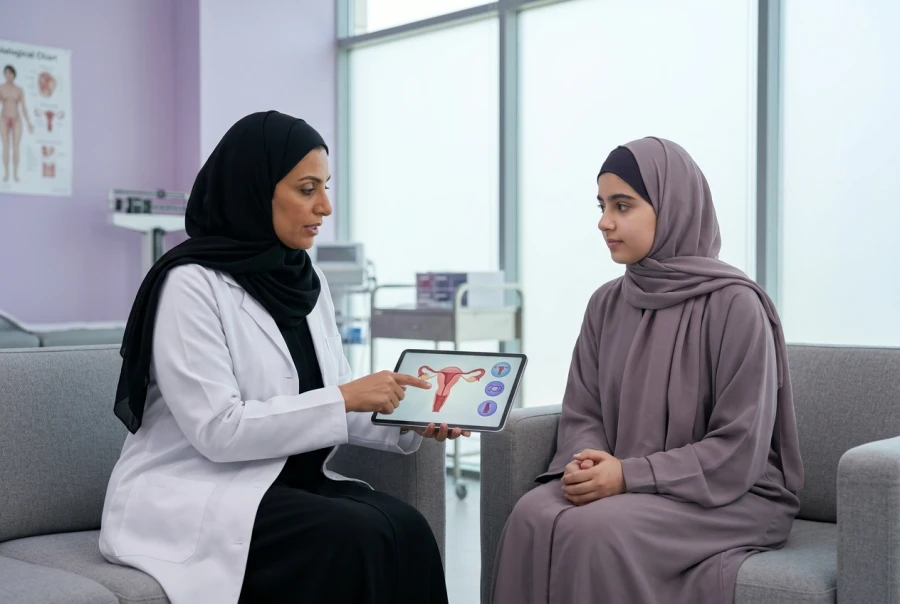 Adolescent Postpartum Contraceptive EducationA specialized educational session for adolescent mothers focusing on developmentally appropriate contraceptive options. It aims to ensure maternal health and prevent rapid repeat pregnancy through professional medical guidance.