Lahalak Medical PlatformDifferentiate Care
Learn why a clinical breast exam is essential before starting IVF and assisted reproduction to ensure safety during hormonal stimulation.

Advertisement
Planning pregnancy is a transformative journey, especially when utilizing assisted reproductive technology (ART) such as IVF or ICSI. Preparing for these procedures involves more than just preparing the uterus and stimulating the ovaries; it requires a comprehensive medical evaluation to ensure maternal safety throughout pregnancy, birth, and the postpartum period.
One critical screening that is sometimes overlooked during the preparation phase is the clinical breast exam. This exam is a cornerstone of preventive women's healthcare, ensuring that breast tissue is healthy before initiating the intensive hormonal stimulation protocols associated with assisted reproduction.
A clinical breast exam is a simple, non-invasive, and painless physical assessment performed by a healthcare provider. The clinician visually and physically examines the breasts and underarm areas to detect any abnormal changes in the skin, lumps, or unusual nipple discharge. This exam serves as an essential first line of defense, identifying any issues that require further evaluation before starting fertility treatments.
During IVF preparation, women undergo hormonal protocols involving controlled doses of hormones (such as estrogen and progesterone) to stimulate egg development and prepare the uterine lining. Because breast cells are highly sensitive to hormonal fluctuations, ensuring the breasts are free of any abnormal, hormone-sensitive lesions is a vital safety measure before starting treatment.
Many women wonder if the hormones used in IVF increase the risk of breast cancer. Medical consensus and fertility societies indicate that the temporary hormone exposure during ovarian stimulation does not directly cause breast cancer. However, if an undetected, hormone-sensitive lump or lesion is already present, the temporary rise in hormone levels could potentially accelerate its growth.
Therefore, undergoing a clinical breast exam before starting IVF ensures early detection and intervention if needed, allowing the medical team to design a safe, personalized treatment plan based on the patient's age and medical history.
Preparing for assisted reproductive technologies requires a thorough medical workup to guarantee the highest safety standards. The table below outlines key pre-IVF screenings and their clinical significance:
| Medical Screening | Purpose of the Procedure | Significance in Pregnancy Planning |
|---|---|---|
| Clinical Breast Exam | Evaluates breast tissue health and checks for lumps or skin changes. | Essential preventive step before starting high-dose hormonal protocols. |
| Hormonal Profile Test | Measures fertility hormones (e.g., AMH, FSH, LH). | Helps determine appropriate stimulation dosages and assess ovarian reserve. |
| Pelvic Ultrasound | Examines the uterus and ovaries for fibroids, polyps, or cysts. | Assesses uterine readiness for embryo transfer. |
| General Blood & Infectious Screen | Checks for anemia, blood type, and infectious diseases. | Ensures overall maternal health and prevents transmission of infections. |
A clinical breast exam is quick, straightforward, and usually performed during a routine gynecological or general surgery consultation. The procedure involves:
It is best to schedule this exam a few days after your menstrual cycle ends, when breast tissue is least likely to be swollen or tender, making the exam more comfortable and accurate.
Depending on the clinical findings and the patient's age, the physician may recommend further diagnostic imaging:
Preparing physically and mentally for IVF can optimize outcomes and reduce stress. Consider the following recommendations:
A clinical breast exam is an indispensable preventive step when getting pregnant through assisted reproductive technologies. Ensuring breast health beforehand provides peace of mind and allows your medical team to deliver the safest, most effective care. Always consult your specialist and stay up-to-date with routine screenings for a healthy and secure pregnancy journey.
Short answers that help clarify the key points related to this article.
Advertisement
Helpful services
Subscribe for new educational pregnancy and birth content from LahaLak.
Compare hospitals and prices by city and birth type, then continue to booking with clear steps.
Connected next steps
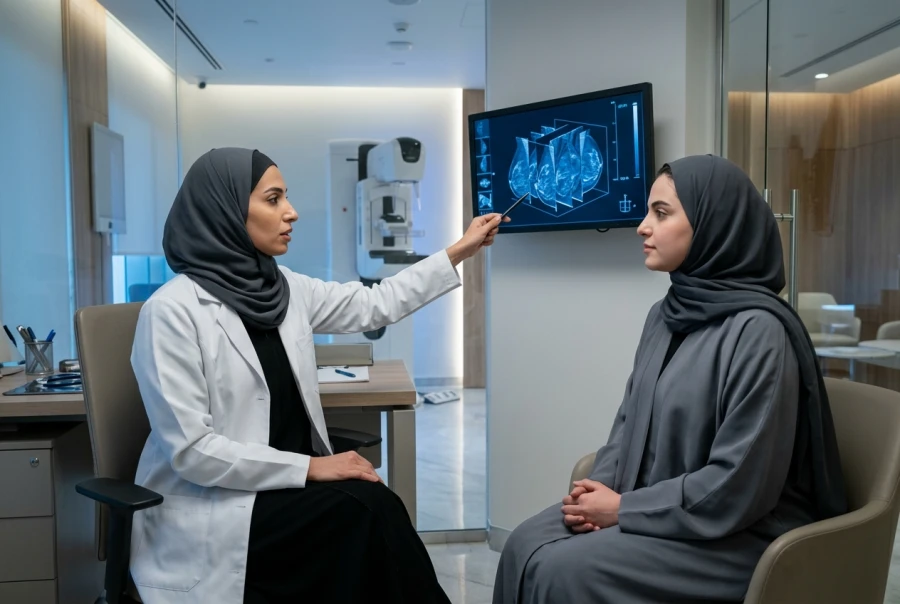 Digital Breast Tomosynthesis (DBT)Experience higher detection rates with 3D mammography. This advanced technology reconstructs breast images in thin slices, reducing tissue overlap and providing clearer, more accurate results for your peace of mind.
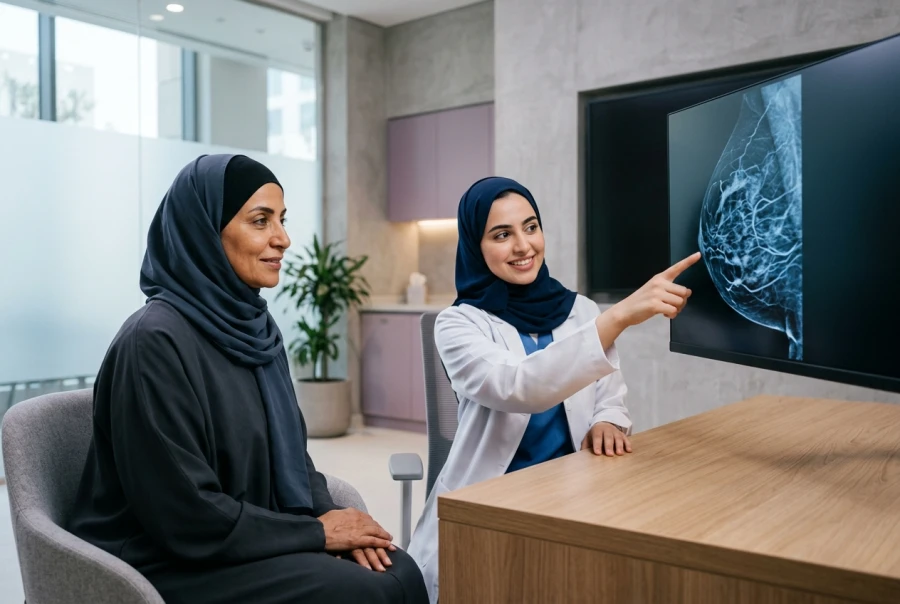 Contrast-Enhanced Mammography (CEM)An advanced imaging technique combining mammography with contrast agents to detect breast cancer early with high precision. It highlights abnormal blood vessels associated with tumors, ensuring a reliable diagnosis for your health.
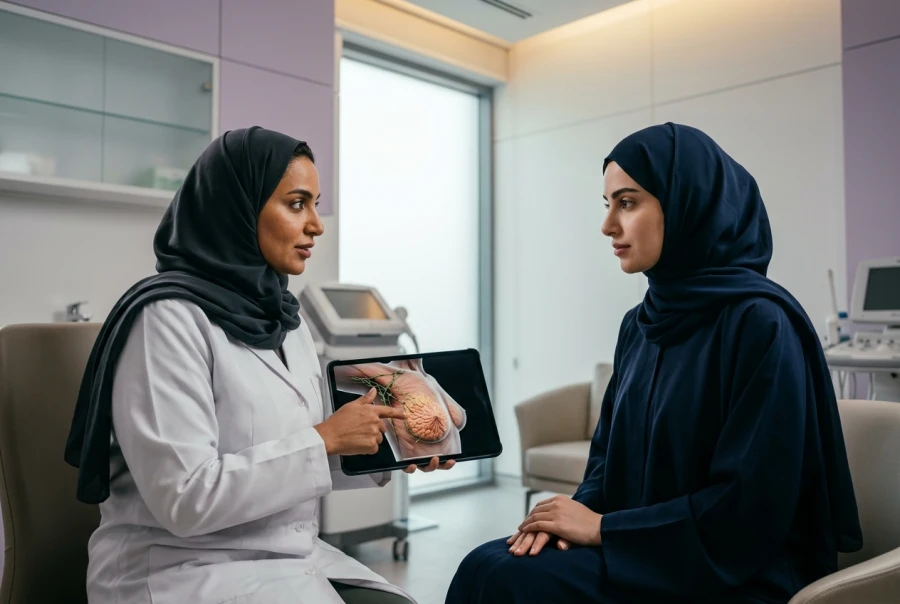 Annual Clinical Breast Examination (CBE)A vital preventive screening to detect early breast tissue changes. Performed by specialized healthcare providers, this exam ensures your peace of mind and long-term health through professional clinical assessment.
 Breast Screening PackageComprehensive screenings including mammogram and ultrasound for early detection of breast changes, ensuring prevention and peace of mind for your health in a safe environment.
Explore the topic