Stage II Wound Care at Home | Lahalak Platform

Professional nursing service for cleaning and dressing Stage II wounds using sterile tools and advanced techniques to ensure rapid healing and prevent any infections or complications at home.

Prices starts from: 300 SAR

Scientific name: Home Care for Stage II Wounds

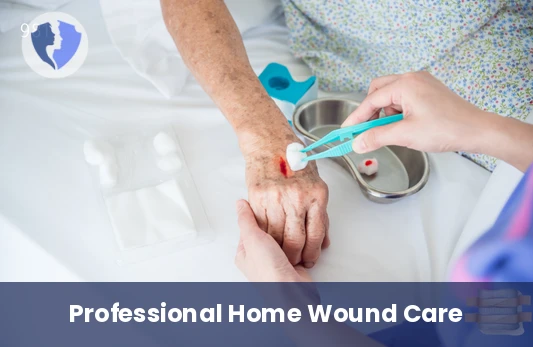
Stage II Wound Dressing Stage II wound dressing is a specialized medical service aimed at providing necessary care for medium-depth wounds, which may result from burns, injuries, or surgical procedures. The procedure is performed using sterilized tools and advanced medical techniques to ensure safe and effective wound cleaning and dressing, promot...
Home Care for Stage II Wounds - Stage II Wound Care at Home
Service type Wound dressing (Nursing)
Duration 30-45 minutes
Fasting Fasting is not required
Prices Starting from 300 SAR

Medical Service Information

Importance ?

  • Infection prevention: Regular dressing helps keep the wound clean and free from bacteria that may cause infections.
  • Promoting healing: It aids in removing dead tissue and stimulating the growth of new tissue, accelerating the recovery process.
  • Reducing pain and swelling: Using appropriate dressings and dressing techniques ensures relief from wound-related discomfort.
  • Preventing complications: It lowers the likelihood of deep scarring or infections that affect skin health.
  • Providing specialized care: Allows the doctor to monitor wound progress and offer home care advice or take additional measures if needed.

Is wound dressing necessary?

  • Infection prevention: Regular dressing changes and wound cleaning help prevent bacteria and microbes that may cause serious infections.
  • Promoting healing: Wound dressing removes dead tissue and stimulates the growth of healthy new tissue, enhancing the healing process.
  • Preventing wound adhesion: Proper dressing keeps the wound exposed to air and prevents it from sticking to the dressing, reducing pain during changes.
  • Monitoring the condition: Allows the doctor or patient to track healing progress and ensure there are no complications such as swelling or increased redness.
  • Reducing scarring: Regular changes help maintain the wound clean and organized, reducing the likelihood of significant scars.

FAQ

  • Frequently Asked Questions (FAQ)
  • When should I change the wound dressing? The dressing should be changed according to the doctor’s instructions, usually every 24–48 hours, or if the dressing becomes wet or soiled.
  • Does changing the dressing hurt? Generally, changing the dressing does not cause pain if done carefully. However, if the wound is sensitive or painful, inform the doctor to determine the best approach.
  • How do I know if the wound is healing properly? The wound should be clean and dry, with swelling and redness gradually decreasing. If there are any signs of infection, such as increased pain or pus, consult your doctor.
  • Can I shower with the wound? Avoid soaking the wound in water until it is sufficiently healed. Shower carefully while keeping the wound dry.
  • When should I see a doctor during the dressing period? If you notice any signs of infection such as severe redness, swelling, pus, or a fever, you should see a doctor immediately.

Medical services you might also like