Home Blood Sample Collection | Lahalak Platform

A convenient service for collecting blood samples from your home and delivering them to the lab, saving you time and effort with absolute privacy and safety.

Prices starts from: 200 SAR

Scientific name: Home Blood Sample Collection

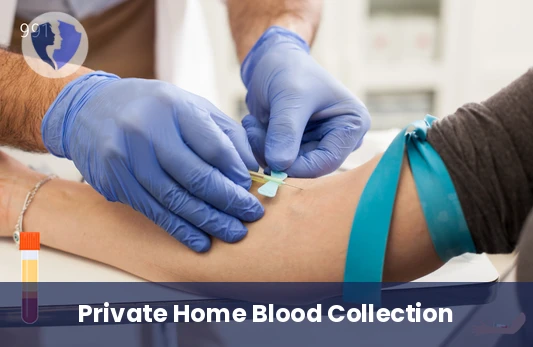
The home blood draw service offers you comfort and privacy, where a specialized medical team collects the blood sample from your home using sterile and safe medical tools. This service is beneficial for patients who are unable to visit medical centers or prefer the comfort of their home. All samples are handled with care to ensure accurate medical...

Home Blood Sample Collection
Service type Home phlebotomy service
Duration 10-15 minutes
Fasting Depends on the required test
Prices Starting from 200 SAR

Included Services

  • Blood sample collection at home.
  • Personal support services from Lahalak

Medical Service Information

The Importance ?

  • Diagnosing Diseases: Blood draw is an essential tool for diagnosing various diseases and health issues, such as body infections, anemia, heart diseases, diabetes, liver and kidney diseases.
  • Monitoring Health Conditions: Blood tests help monitor levels of essential elements such as blood sugar, cholesterol, and hormones, aiding doctors in evaluating and improving treatment effectiveness.
  • Comprehensive Screening Tests: Through blood draw, multiple tests can be performed to detect chronic or genetic diseases early, such as cancer or glandular disorders.
  • Monitoring Medications and Treatments: Blood tests help monitor the effects of medications a patient is taking, ensuring the right doses and detecting any unwanted side effects.
  • Assessing Organ Function: Blood draw allows for the evaluation of vital organ functions, such as kidney and liver function, helping detect any health issues early that could affect these organs.
  • Accurate Medical Results: Blood draw provides a precise and reliable method for obtaining samples that can be analyzed in specialized medical laboratories to yield accurate results, aiding in making the correct medical decisions.

Why is Blood Draw Necessary?

  • Diagnosing Diseases: Blood draw is one of the primary methods for diagnosing numerous medical conditions, such as body infections, diabetes, heart and kidney diseases, anemia, and other conditions that require a detailed blood examination.
  • Monitoring Health Conditions: Blood tests help track vital substances in the body, such as blood sugar, fats, and cholesterol, allowing doctors to assess general health and detect any imbalances.
  • Monitoring Treatment Effectiveness: Blood tests help in tracking the impact of medications and treatments on the patient. For example, they can determine if drug levels in the blood are within the required range or if there are any side effects.
  • Early Detection of Diseases: Routine blood tests can help identify many diseases in their early stages, before they become more complicated, such as cancer, autoimmune diseases, and hormonal disorders.
  • Conducting Comprehensive Examinations: Blood draw plays a crucial role in comprehensive medical tests, including liver and kidney function, hormone levels, and more. These tests are essential for evaluating the patient's overall health.
  • Identifying Organ Disorders: Blood draw is used to monitor the functions of various organs, such as the liver, kidneys, and thyroid, ensuring they are functioning properly. This allows for timely medical intervention if any abnormalities are detected.

FAQ

  • Frequently Asked Questions
  • Can blood be drawn at home? Yes, blood can be drawn at home by a qualified medical team, providing you with comfort and complete privacy during the medical examination.
  • Is blood draw painful? Blood draw is typically a painless procedure, though the patient may experience slight discomfort or a pinching sensation when the needle is inserted.
  • What types of tests can be done through blood draw? Blood can be drawn for a wide range of tests, such as blood sugar levels, cholesterol, liver and kidney functions, blood count, and hormonal or immune system tests.
  • Are there any instructions to follow before blood draw? Yes, sometimes fasting is required before blood draw (such as for blood sugar or lipid tests). The patient should follow the instructions given by the doctor or laboratory in advance.
  • Can I return to daily activities after a blood draw? Yes, generally, you can resume daily activities as normal after a blood draw. However, if you feel dizzy or faint, it is recommended to rest for a few minutes.

Conditions & Notices

  • The terms and conditions announced on the "Lahalak" medical platform apply.
  • There are no special conditions for the service other than those mentioned.

Medical services you might also like