
Lahalak Medical PlatformDifferentiate Care
Discover the different types of face lift threads (PDO, PLLA, PCL), their clinical differences, benefits, risks, and essential recovery tips.

Advertisement
In recent years, the field of non-surgical aesthetic medicine has experienced a massive evolution, with thread lifting emerging as one of the most sought-after and effective techniques to combat signs of aging. This procedure allows individuals to achieve visible lifting of sagging skin and stimulate collagen production without the need for general anesthesia, major incisions, or the prolonged, painful recovery associated with traditional surgical face lifts.
The technique relies on inserting micro-fine, biocompatible medical threads under the skin using specialized needles or cannulas. These threads provide an immediate mechanical lift to sagging tissues while triggering a natural healing response that rejuvenates the skin over time. With various materials and designs available, understanding the clinical differences between them is essential to choosing the safest and most suitable treatment for your needs.
A thread lift is a minimally invasive cosmetic procedure designed to redefine facial contours and lift mild-to-moderate sagging in areas such as the cheeks, jowls, neck, and eyebrows. Typically performed under local anesthesia in a clinical setting, the procedure takes between 30 to 60 minutes.
The benefits of these threads extend beyond immediate mechanical lifting; they perform a vital biological function. As the threads gradually dissolve, they stimulate the body to produce new collagen around them. This dual action ensures that skin quality and firmness continue to improve even after the threads have been completely absorbed by the body.
Cosmetic threads are primarily classified based on the chemical material they are made of, each offering unique characteristics regarding longevity, tensile strength, and collagen stimulation:
Polydioxanone (PDO) threads are the most widely used in aesthetic clinics. Made from a colorless, biodegradable polymer used for decades in surgical sutures (especially cardiothoracic surgery), PDO threads are highly safe and biocompatible.
Poly-L-Lactic Acid (PLLA) threads are made from a biocompatible, biodegradable material similar to that used in collagen-stimulating dermal fillers. PLLA threads are highly effective at restoring lost facial volume alongside lifting.
Polycaprolactone (PCL) threads represent the latest generation of cosmetic threads. Known for their high flexibility and mechanical strength, they minimize the risk of thread breakage during or after insertion.
In addition to their chemical composition, threads are designed in different shapes to target specific aesthetic concerns:
These are smooth, thin threads without barbs. They are not primarily used for lifting sagging tissue; instead, they are inserted in a mesh-like pattern under the skin to stimulate collagen, improve skin texture, and tighten delicate areas like the under-eyes and neck.
These threads feature tiny barbs or hooks along their length. Once inserted, the barbs latch onto the subcutaneous fat and sagging tissue, allowing the practitioner to pull and lift the tissue immediately. They are the primary choice for lifting sagging jowls and cheeks.
Consisting of one or two threads wound helically around the needle, screw threads help restore volume to sunken areas of the face and provide enhanced collagen stimulation in deeper creases, such as the nasolabial folds.
The following table outlines the key differences between the three main types of cosmetic threads to help you understand their clinical profiles:
| Feature | PDO Threads | PLLA Threads | PCL Threads |
|---|---|---|---|
| Degradation Rate | Fast (6 - 8 months) | Moderate (12 - 18 months) | Very Slow (18 - 24 months) |
| Result Longevity | 12 - 18 months | Up to 2 years | 2 to 2.5 years |
| Flexibility & Strength | Moderate | Good but can be rigid | Very high and flexible |
| Primary Goal | Skin quality & mild lift | Volume restoration & moderate lift | Strong, long-lasting lift for heavier tissues |
| Collagen Stimulation | Good | Excellent (Type 1 & 3) | Excellent and highly prolonged |
Thread lifting offers several advantages that make it a preferred choice over surgical alternatives for many patients:
Thread lifting is not suitable for everyone. The most suitable candidates include:
While thread lifting is highly safe, temporary side effects can occur and typically resolve on their own:
In rare cases, particularly if performed by an unqualified provider, complications such as infection, thread protrusion, or migration can occur. Therefore, a dermatologist consultation or a visit to a qualified plastic surgeon remains the most critical step to ensure safety and success.
To maximize results and minimize complications, patients must strictly follow post-aesthetic skin care instructions:
Contact your clinic or treating physician immediately if you experience any of the following symptoms:
Clear, direct answers
Advertisement
Continue exploring
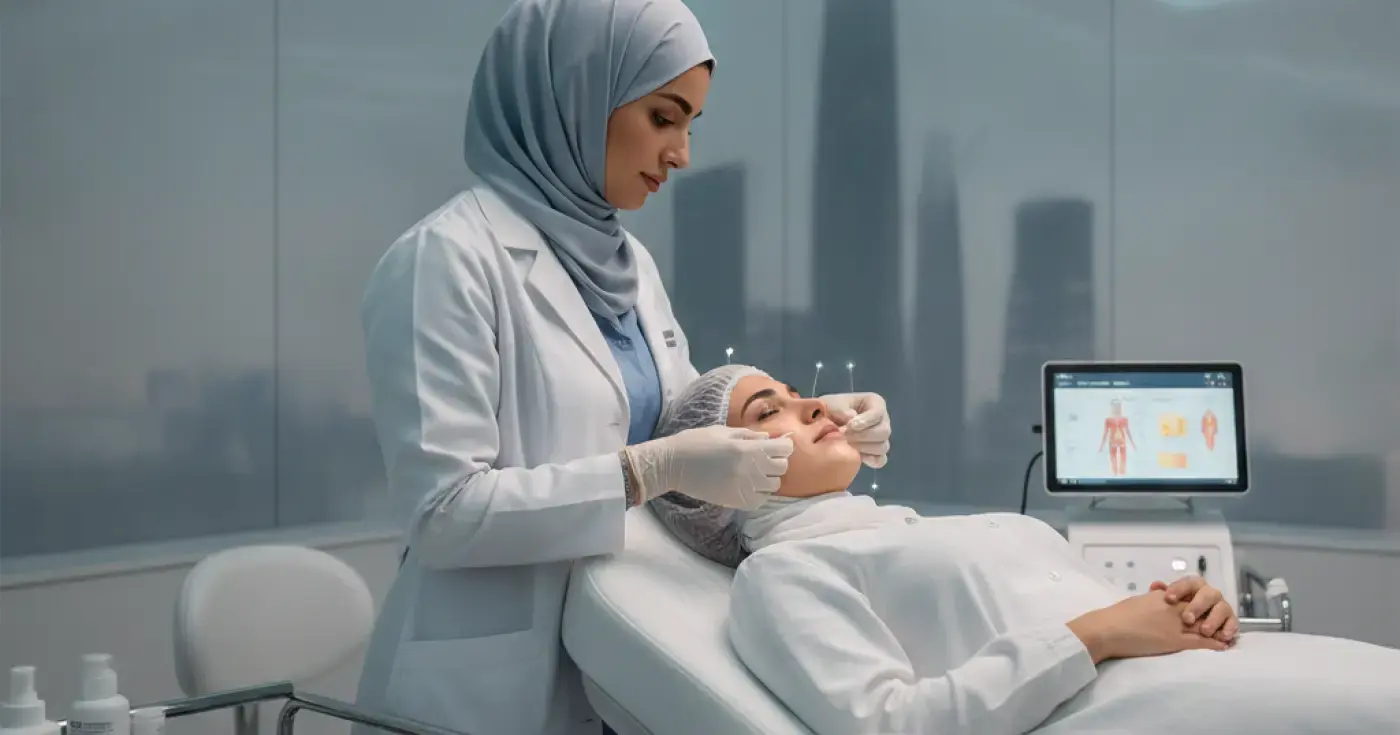
A comprehensive medical guide on thread lift results timeline, longevity, types of threads, and essential recovery tips for optimal outcomes.
Read article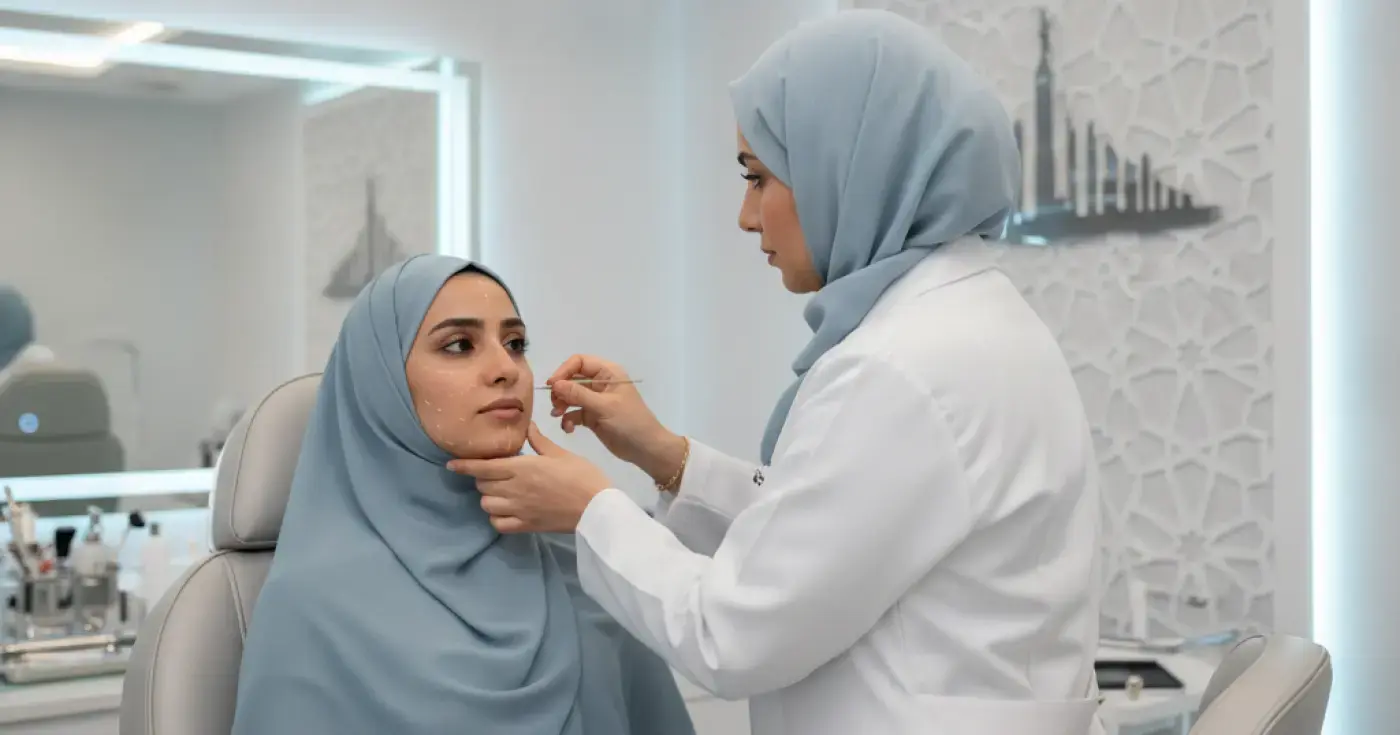
Discover everything about thread lifts: ideal candidates, types of threads, expected results, recovery tips, and potential risks.
Read article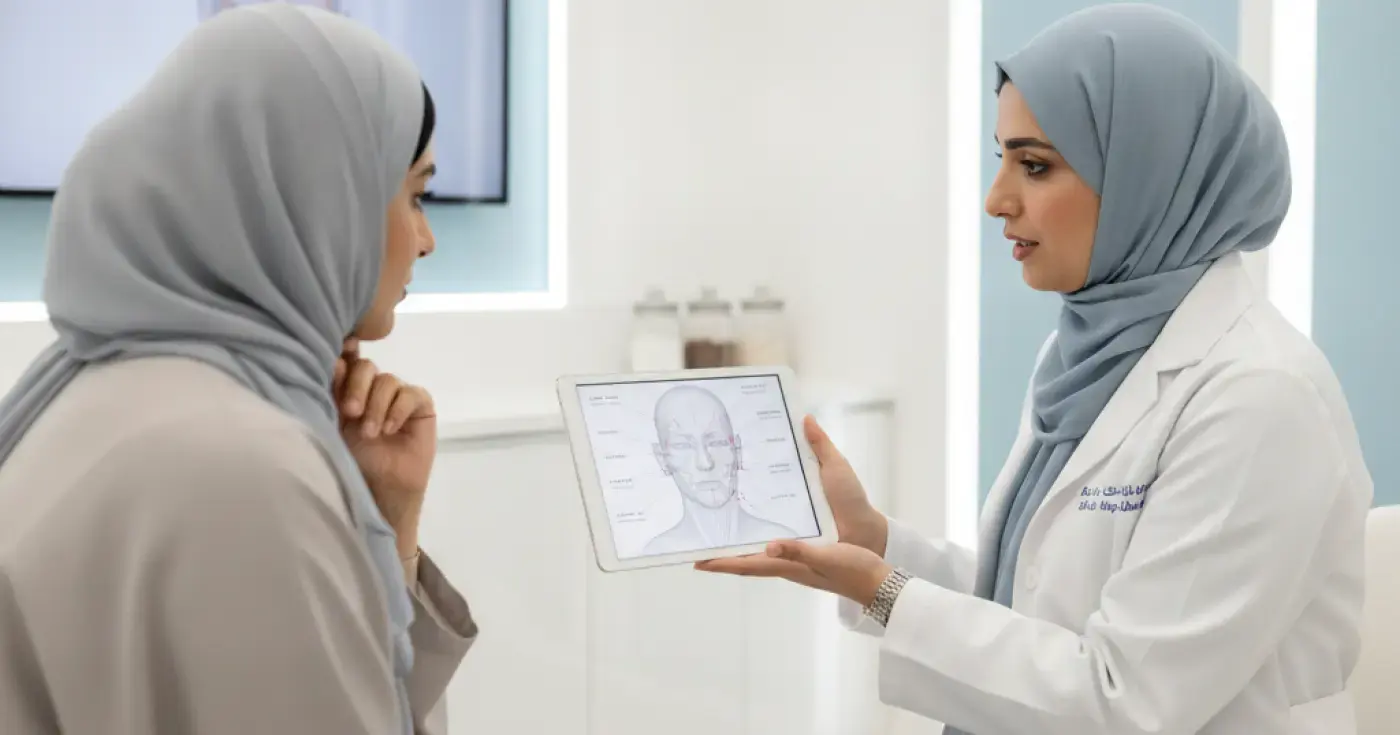
A complete medical guide to cosmetic thread lifts: how they work, types of threads, procedure steps, recovery, and potential risks.
Read article