
Lahalak Medical PlatformDifferentiate Care
Discover the differences between surgical and laser mole removal. Learn about procedures, recovery, risks, and how dermatologists choose the best option.

Advertisement
Moles (known medically as melanocytic nevi) are common skin growths that develop when pigment-producing cells, called melanocytes, grow in clusters rather than spreading throughout the skin. While the vast majority of moles are completely benign and harmless, there are specific clinical and aesthetic situations where removal becomes necessary.
The reasons for mole removal generally fall into medical, functional, or cosmetic categories. Medical removal is indicated when a mole exhibits suspicious changes in size, shape, or color, raising concern for skin cancer such as melanoma. Functional reasons apply when a mole is located in an area prone to constant friction from clothing or shaving, leading to chronic irritation or bleeding. Cosmetic removal is driven by personal aesthetic preferences, particularly for prominent moles on the face. To determine the safest approach, patients should undergo a thorough mole assessment by a board-certified dermatologist.
Surgery is the gold standard and most reliable method for removing moles, especially those that require histopathological evaluation. Surgical methods allow the dermatologist to obtain a complete tissue sample to perform a skin biopsy, ensuring there are no atypical or malignant cells. There are two primary surgical techniques:
This procedure is typically reserved for larger, deeper moles, or those suspected of being cancerous. Under local anesthesia, the surgeon uses a scalpel to cut out the entire mole along with a small margin of healthy skin to ensure complete removal of all melanocytes. The wound is then closed with sutures (stitches), which may be dissolvable or require removal after a week. This method leaves a thin, linear scar that gradually fades over time with proper care.
Shave excision is ideal for superficial, raised moles that are confirmed to be benign. After administering local anesthesia, the dermatologist uses a small, flexible blade to shave the mole down so it is flush with the surrounding skin. This technique does not require stitches; instead, the area is cauterized or treated with a topical solution to stop minor bleeding. It offers a faster recovery time and a less noticeable scar compared to full excision.
Laser mole removal is a modern, minimally invasive option widely offered in aesthetic clinics. This technique utilizes highly focused, intense light beams to break down and vaporize the pigment-producing cells of the mole without the need for scalpels or incisions.
Laser therapy is best suited for small, flat, and superficial moles located in cosmetically sensitive areas like the face or neck. However, there is a strict clinical rule: laser removal must never be used on any mole suspected of being atypical or malignant. Because the laser vaporizes the tissue, no physical sample remains for laboratory analysis. Therefore, lasers are strictly reserved for moles that have been thoroughly evaluated and deemed completely benign by a specialist.
To help you understand the core differences, the following table compares surgical and laser mole removal across key clinical parameters:
| Feature | Surgical Removal (Excision & Shave) | Laser Removal |
|---|---|---|
| Suitable Mole Types | All types (deep, raised, large, or suspicious) | Small, flat, superficial, and benign moles only |
| Anesthesia | Local anesthesia via injection | Local anesthesia (injection or topical cream) |
| Biopsy Feasibility | Highly feasible and recommended | Not possible (tissue is vaporized) |
| Sutures (Stitches) | Required for full excision; none for shave | No stitches required |
| Scarring Risk | Thin linear scar or slight flat mark | Minimal to no visible scarring |
| Number of Sessions | Single session | One to three sessions may be needed |
| Recurrence Rate | Very low (virtually zero for full excision) | Moderate (if deep roots remain) |
The choice of mole removal technique is not merely a matter of patient preference; it is a clinical decision made by the dermatologist based on several critical factors:
Moles that extend deep into the dermal layers of the skin require surgical excision to ensure the roots are fully removed, preventing recurrence. Superficial moles located in the epidermis can be successfully targeted and cleared with laser energy.
If a mole displays any warning signs—such as asymmetry, irregular borders, color variations, or a diameter larger than 6mm—surgical excision is mandatory to allow for proper histopathological testing.
For moles located on highly visible or delicate areas like the eyelids, nose, or lips, dermatologists prefer techniques that minimize scarring, such as laser therapy or precise shave excision, to preserve natural facial aesthetics.
Proper preparation ensures a safe procedure and minimizes potential complications. Key pre-procedure steps include:
The speed of healing and the final cosmetic appearance of the scar depend heavily on your adherence to post-procedure care instructions:
While mole removal is a safe and routine outpatient procedure, patients should be aware of potential risks:
Contact your clinic or seek medical attention immediately if you experience any of the following warning signs during your recovery:
Clear, direct answers
Advertisement
Continue exploring
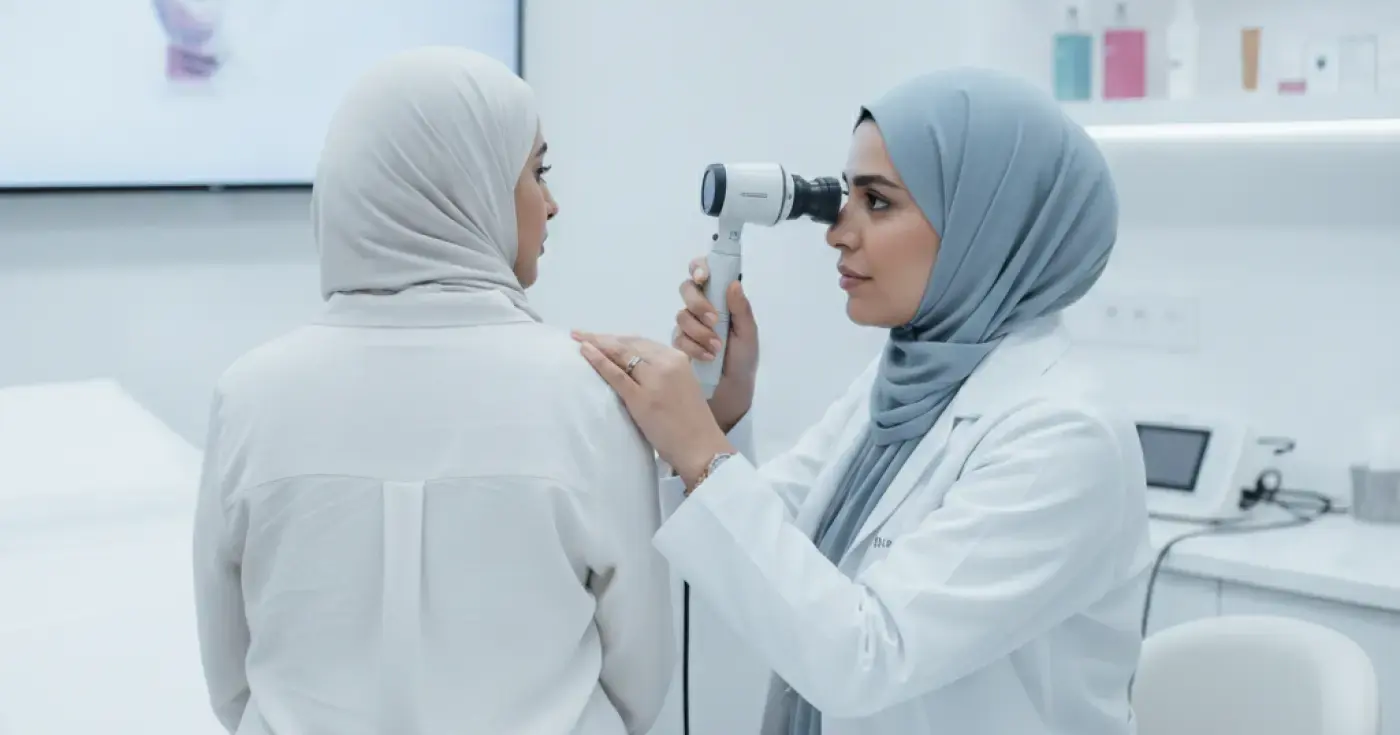
Worried about scars after mole removal? Discover how different removal methods affect scarring, key risk factors, and expert tips for scar-free healing.
Read article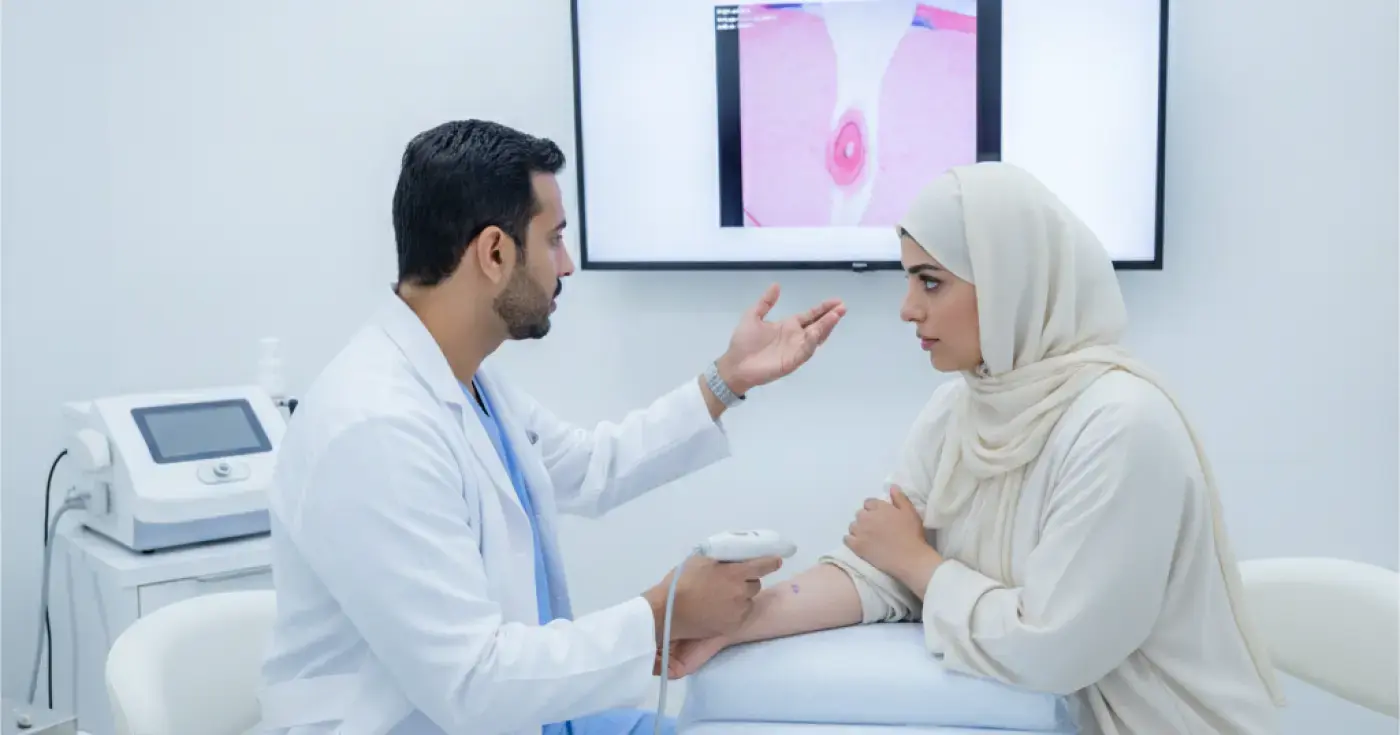
Learn about safe, medically approved skin tag removal methods, clinical procedures, risks of DIY remedies, and when to see a dermatologist.
Read article
Discover how laser mole removal works, who is a suitable candidate, and essential post-treatment care tips to ensure scar-free healing.
Read article