Insight Hub

Your feedback helps us raise our care standards.

LahaLak logo
LahaLakHealth Nexus | LahaLak Medical Services Company

We shape a clearer and more trusted care journey by combining medical expertise with digital technology.

Discovery

  • Vision & Mission
  • Elixir Blog
  • Success Stories

Ecosystem

  • Ambassador Program
  • Career Paths
  • Join as an Accredited Care Center
  • Practitioner Entry

Secure Access Node

Active Node

Support & Complaints Unit

0599489990

الخط المباشر|Direct Secure Line

Global Payments | سداد آمن
Privacy
Disclaimer
Editorial Policy & Medical Standards
Beneficiary Rights
Official IBAN
SA21 1000 0011 7000 0034 5102

All rights reserved to LahaLak Medical Platform © 2026
Exclusive Operator: LahaLak Medical Services Company

Reusing or copying platform content, designs, or ideas for commercial use is prohibited without prior written permission.

SBC: 0000209083CR: 4030402711VAT: 314876215700003SAIP: 1443017765BASE: Jeddah 23323
Lahalak Logo
Lahalak Medical PlatformDifferentiate Care
جاري تحميل مقال إكسير
Home›Elixir›Medical News›Pinworm Test: Why a Stool Sample Is Often Not Enough
Medical News

Pinworm Test: Why a Stool Sample Is Often Not Enough

Learn why standard stool tests miss pinworms, how the scotch tape test works, and proper home hygiene steps for pediatric pinworm infections.

By: LahaLak Medical PlatformPublished: October 17, 2026Updated: October 17, 20269 min read3 views
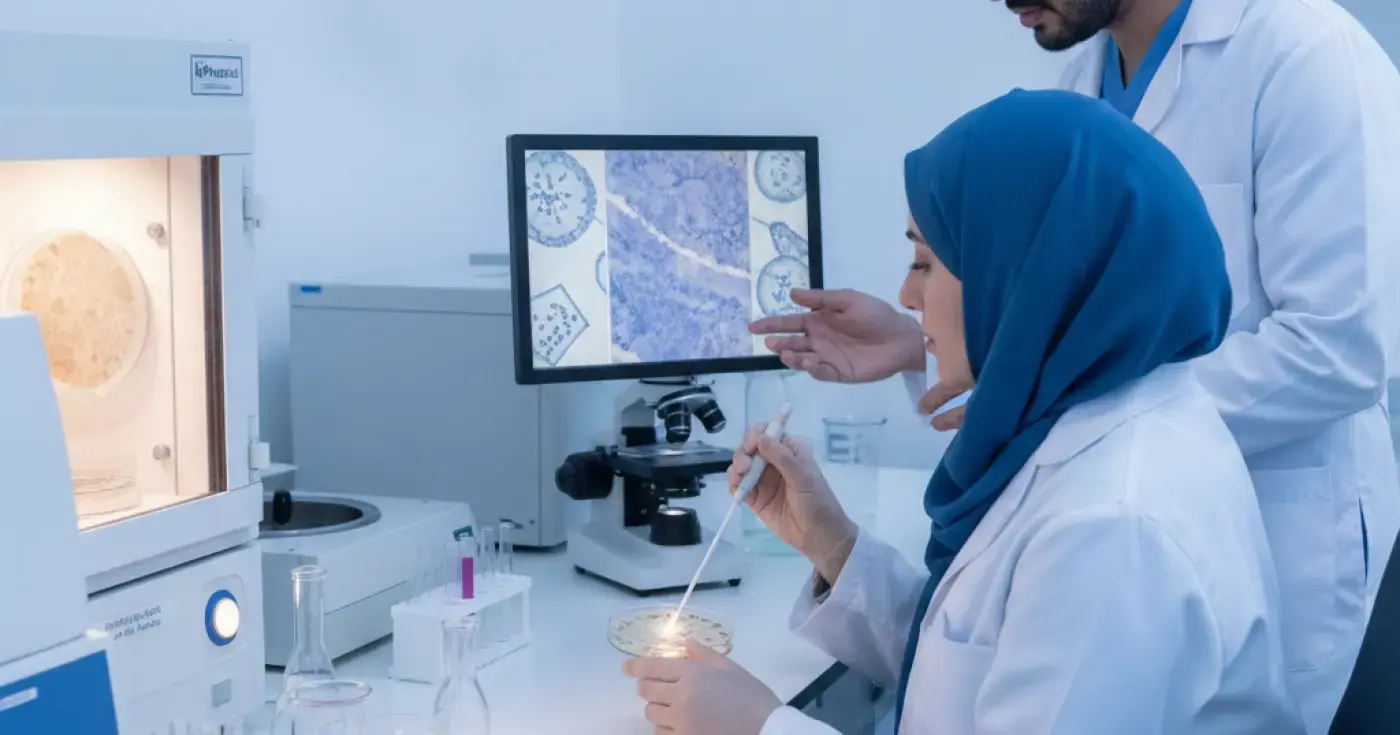
Medical diagram showing pinworm tape test procedure for pediatric diagnosis
Health education content
Sources are listed
Does not replace a clinician
Publication dates are transparent

Advertisement

Medical notice: this content is for health education and does not provide an individual diagnosis or replace appropriate medical consultation.

Pinworm infection (Enterobius vermicularis) is one of the most prevalent intestinal parasitic infections among young children. It frequently causes significant distress for families due to intense nocturnal anal itching and sleep disruption. While parents often assume that a standard routine stool examination is the primary test for diagnosing intestinal worms, stool tests frequently yield false-negative results for pinworms. Diagnosing this condition accurately usually requires a specialized pinworm tape test.

  • Parasite Behavior: Female pinworms migrate to the perianal skin folds at night to deposit eggs rather than remaining deep inside the intestinal tract.
  • Stool Test Limitations: Pinworm eggs are rarely shed directly into the bulk stool stream.
  • Diagnostic Gold Standard: The transparent adhesive tape test remains the primary microscopic diagnostic method.
  • Clinical Management: Proper treatment requires medical evaluation and synchronized hygiene measures among household members.

What Is a Pinworm Infection?

The pinworm (Enterobius vermicularis) is a small, white, thread-like nematode measuring between 2 and 13 millimeters in length. Humans are the only natural hosts for this parasite. Infection spreads easily among children in preschools and schools via contaminated hands, toys, bedding, and surfaces.

After ingestion of microscopic eggs, larvae hatch in the small intestine and mature in the colon. Gravid female worms migrate out through the anus at night to deposit thousands of eggs on the surrounding perianal skin. The sticky fluid secreted with the eggs causes intense local itching, prompting children to scratch and transfer eggs to their fingers and under fingernails, continuing the cycle of reinfection and transmission.

What Are the Common Symptoms?

Many individuals with mild pinworm burdens remain asymptomatic. However, when symptoms develop, they typically relate to the nocturnal activity of the female worm:

  • Intense Perianal Itching: Predominantly occurring at night or in the early morning hours when the child is warm in bed.
  • Restless Sleep: Frequent nighttime awakenings, irritability, and difficulty falling asleep.
  • Perianal Irritation: Erythema or mild skin breakdown secondary to repeated scratching.
  • Vaginal Itching in Females: Occasional migration of adult worms into the vulvar area causing temporary irritation or discharge.

Does Nighttime Itching Always Mean Pinworms?

Although nocturnal perianal pruritus is the classic hallmark of pinworms, it is not diagnostic on its own. Other dermatological and medical conditions can present with similar symptoms in children:

  • Contact dermatitis from perfumed soaps or synthetic clothing fabrics.
  • Fungal skin infections or localized bacterial superinfections.
  • Perianal streptococcal dermatitis.
  • Other intestinal parasites requiring a broader stool ova and parasite examination.

Therefore, clinical guidelines emphasize laboratory confirmation using targeted microscopic examination rather than initiating treatment based solely on clinical suspicion.

Why Is a Routine Stool Test Often Ineffective?

Parents often submit a standard stool container when suspecting worms, only to receive a negative result despite ongoing symptoms. This disconnect occurs due to the parasite's specific biology:

Comparison Factor Routine Stool Ova & Parasite Test Perianal Pinworm Tape Test
Egg Location Mixed within bulk intestinal stool Adhered to perianal skin folds
Deposition Mechanism Minimal shedding inside intestinal lumen Direct nocturnal deposition on external skin
Diagnostic Sensitivity Low (<10-15% for pinworms) High (up to 90% with 3 consecutive days)
Collection Timing Any time during defecation First thing in the morning before bathing/bowel movement
Primary Diagnostic Focus Intestinal protozoa (Giardia, Amoeba) and roundworms Enterobius vermicularis eggs and adult worms

As highlighted in the clinical comparison, pinworm eggs are deposited onto the skin rather than mixed within fecal material. Consequently, routine stool samples rarely capture the organism, making negative stool results unreliable for ruling out pinworm infection.

What Is the Pinworm Tape Test?

The transparent tape test (or paddle test) is the diagnostic standard for detecting Enterobius vermicularis. The procedure involves pressing clear adhesive tape against the perianal skin folds to collect microscopic eggs or adult worms adhered to the skin surface.

The tape is then adhered flat onto a glass microscope slide and examined under a light microscope by a laboratory technologist to identify the characteristic asymmetric, oval-shaped pinworm eggs.

How and When Should the Sample Be Collected?

To maximize accuracy and minimize false-negative results, parents should follow strict collection procedures:

  1. Optimal Timing: Collect the sample immediately upon the child waking in the morning, prior to using the toilet, bathing, or changing undergarments.
  2. Tape Preparation: Use clear transparent cellulose tape (not opaque or colored) wrapped around a wooden tongue depressor with the sticky side facing outward.
  3. Application: Gently press the adhesive tape against the skin surrounding the anus for several seconds.
  4. Transfer: Smooth the tape onto a clean glass slide provided by the clinic and submit it promptly to the laboratory.

Is Repeat Testing Necessary?

Because female pinworms do not lay eggs every single night, a single negative tape test does not completely rule out infection. Clinical guidelines recommend repeating the tape test over three consecutive mornings before concluding that pinworms are absent.

What Does a Negative Result Mean?

If three properly collected consecutive tape tests are negative, pinworm infection is unlikely. If symptoms persist, parents should seek a pediatric consultation to evaluate other potential causes of perianal itching, such as eczema or localized skin irritations.

Hygiene Without Blame: Managing the Home Environment

Pinworm infections are extremely common and are not a reflection of poor parenting or inadequate household cleanliness. Families should address the issue calmly and objectively:

  • Keep Nails Short: Trim fingernails regularly to prevent egg accumulation during involuntary scratching.
  • Hand Washing: Encourage frequent handwashing with soap and water, especially before meals and after bathroom visits.
  • Launder Linens: Wash bed linens, pajamas, and underwear in warm water. Avoid aggressive chemical disinfectants, as standard laundering is sufficient.
  • Sunlight Exposure: Pinworm eggs are sensitive to dry environments and natural sunlight.

Preventing Transmission Within the Household

Because pinworm eggs can survive on indoor surfaces for several days, simple preventative precautions help limit household spread:

  • Avoid shaking bed linens or clothing to prevent airborne dispersion of eggs.
  • Change underwear and pajamas daily every morning.
  • Encourage morning baths or showers to help wash away overnight perianal eggs.
  • Avoid sharing bath towels or personal washcloths between family members.

When to Consult a Physician

While sample collection occurs at home, medical diagnosis and prescription management must be guided by a qualified healthcare professional. Consult a doctor if:

  • The child develops signs of secondary skin infection, such as severe redness, swelling, or purulent drainage from scratching.
  • The child experiences severe abdominal pain or recurrent vomiting.
  • Symptoms do not resolve following completion of prescribed medical therapy.
  • To obtain appropriate prescription medication for household members, as medical protocols often require a single dose followed by a repeat dose two weeks later to prevent reinfection. Self-medication without professional guidance is not recommended.

Sources and References

  1. Ministry of Health Saudi Arabia
  2. World Health Organization
  3. MedlinePlus
  4. Centers for Disease Control and Prevention CDC
  5. American College of Obstetricians and Gynecologists ACOG

Clear, direct answers

Frequently Asked Questions

Why does a routine stool test come back negative despite pinworm symptoms?+
Female pinworms lay their eggs on the external skin around the anus at night rather than inside the colon, meaning eggs are rarely present in bulk stool samples.
When is the best time to perform a pinworm tape test?+
The test should be performed first thing in the morning right after waking up, before the child uses the bathroom, bathes, or changes clothes.
Does the entire family need treatment if one child has pinworms?+
Doctors frequently recommend evaluating and treating all cohabiting household members simultaneously because pinworm eggs spread easily between contacts.
Is perianal itching always caused by pinworms?+
No, perianal itching can also be caused by contact dermatitis, skin dryness, fungal infections, or harsh soaps. A tape test helps confirm the diagnosis.
How many times should the tape test be repeated?+
Physicians generally recommend performing the tape test on three consecutive mornings to confidently rule out a pinworm infection.

Connected next steps

Related services

  • Stool Culture TestA precise test to identify specific bacteria causing intestinal infections, facilitating the selection of the correct treatment for chronic diarrhea and digestive inflammation.

Explore the topic

Related articles

  • Giardia and Cryptosporidium: 6 Key Differences Between Microscopy, Antigen, and PCRElixir · Health Panorama
  • Stool Ova and Parasites (O&P) Test: 7 Essential Facts Before Sample Collection and ResultsElixir · Health Panorama
  • Oral Thrush: 6 Cases That May Require a Fungal Swab or CultureElixir · Health Panorama

Elixir

Explore health content

Medical News

Browse Elixir sections and continue exploring content related to this article.

Medical NewsConsumer AwarenessInspiring Stories

Advertisement

Your opinion matters

Was this content helpful?

Have a note?

Comments require login.Log in
Loading comments
Loading related articles

Continue exploring

Related Articles

Giardia and Cryptosporidium: 6 Key Differences Between Microscopy, Antigen, and PCR

Giardia and Cryptosporidium: 6 Key Differences Between Microscopy, Antigen, and PCR

Learn the key differences between microscopic O&P, antigen tests, and molecular PCR panels for diagnosing Giardia and Cryptosporidium stool infections with LahaLak.

Read article

Stool Ova and Parasites (O&P) Test: 7 Essential Facts Before Sample Collection and Results

Stool Ova and Parasites (O&P) Test: 7 Essential Facts Before Sample Collection and Results

Learn how the stool Ova and Parasites (O&P) test works, proper sample collection steps, accuracy limits, PCR vs microscopic testing, and when to seek care.

Read article
Oral Thrush: 6 Cases That May Require a Fungal Swab or Culture

Oral Thrush: 6 Cases That May Require a Fungal Swab or Culture

Learn when oral thrush requires a fungal swab or culture, the causes of white spots and mouth burning, and how to differentiate candidiasis from other conditions.

Read article