
Lahalak Medical PlatformDifferentiate Care
Discover the causes of scalp dandruff in infants and children, safe home remedies, medical treatments, and when to consult a pediatrician.
Advertisement
Dandruff is a common scalp concern that many parents encounter while caring for their children. Although often associated with adolescence and adulthood, dandruff can appear much earlier, from the first few weeks of infancy through late childhood. The nature of pediatric dandruff varies significantly by age, ranging from thick, oily scales in infants (known as cradle cap) to dry, flaky scales in older children. Caring for a child's scalp requires extreme gentleness and precision due to the high sensitivity and delicacy of their skin compared to adults.
From a medical perspective, dandruff is a mild form of seborrheic dermatitis. This condition is characterized by an accelerated renewal process of skin cells on the scalp, leading to the accumulation of dead cells that shed as visible flakes. In infants, this condition typically manifests within the first three months of life and is clinically termed cradle cap. In older children, dandruff closely resembles the adult form and is sometimes accompanied by mild itching or slight redness of the scalp.
It is crucial to differentiate between the various types of scalp flaking in children, as each condition requires a completely different treatment protocol. The following table highlights the key differences between these common conditions:
| Medical Condition | Common Age Group | Distinct Clinical Appearance | Primary Probable Cause |
|---|---|---|---|
| Cradle Cap | Infants (birth to 12 months) | Thick, greasy, yellow or brown scales adhering to the scalp | Maternal hormones stimulating excess sebum production |
| Classic Dandruff | Older children and adolescents | Dry, loose white or gray flakes with mild itching | Overgrowth of Malassezia yeast and rapid skin cell turnover |
| Tinea Capitis (Scalp Ringworm) | School-aged children (3-10 years) | Circular bald patches, severe scaling, broken hair shafts | Highly contagious fungal infection requiring oral antifungals |
Several factors contribute to the development of dandruff in children, often overlapping to cause scalp irritation and dead cell accumulation. The primary causes include:
Symptoms can vary depending on the underlying cause, but the most common signs include:
Although pediatric dandruff is usually a benign and non-serious condition, certain warning signs warrant a pediatric consultation or a visit to a specialist for a pediatric dermatology exam. These signs include:
Treatment depends primarily on the child's age and the severity of the condition. It is always recommended to start with the gentlest solutions and avoid harsh products:
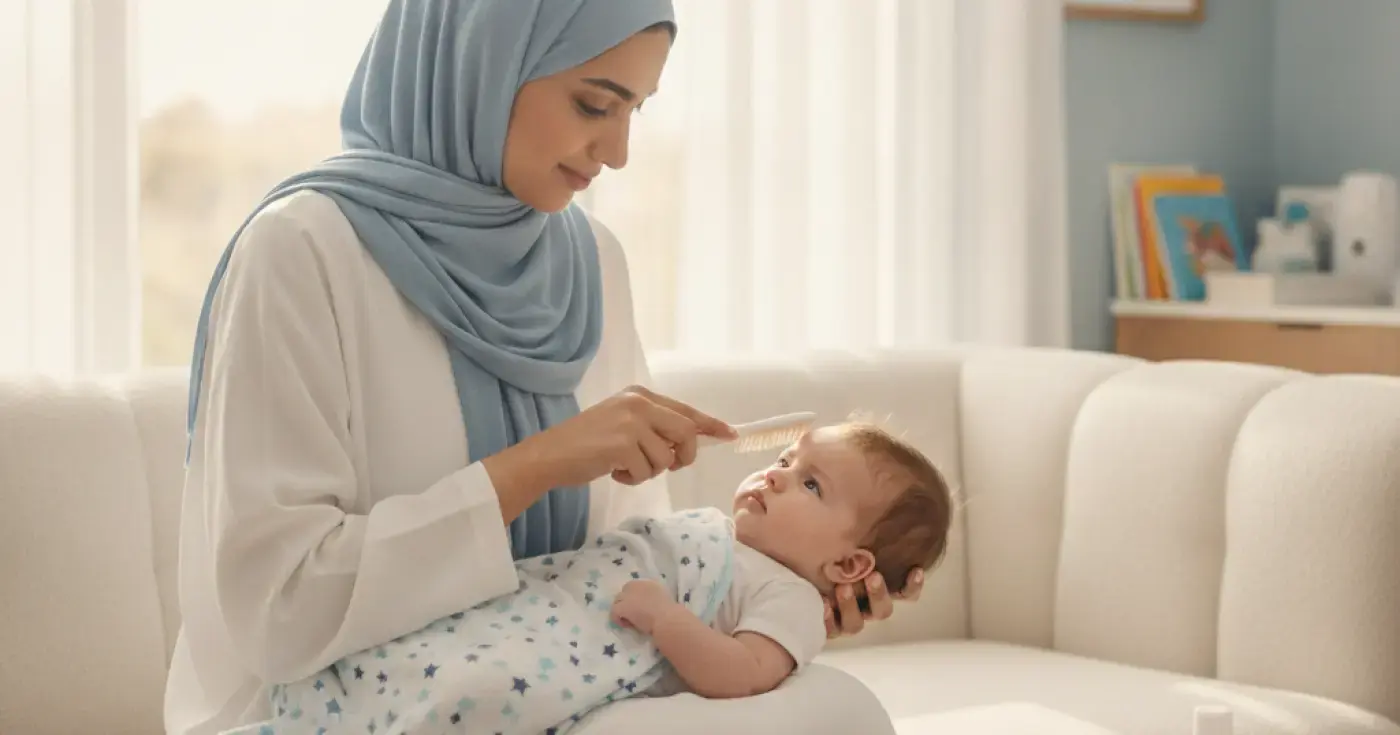
Proper infant scalp care requires an extremely gentle approach:
To prevent dandruff from recurring and maintain a healthy scalp, consider the following preventive guidelines:
There are several widespread myths among parents regarding dandruff in children, including:
Pediatric dandruff is a highly manageable condition that can be easily controlled with a gentle, age-appropriate care routine. Understanding the differences between types of dandruff and their causes helps in choosing the optimal treatment. Always remember that your child's scalp is highly sensitive, and consulting a specialist when in doubt or when the condition does not respond to simple measures is the safest step to ensure your child's health and comfort.
Clear, direct answers
Advertisement
Continue exploring

Discover the causes of dandruff in women and effective medical treatments. Learn the difference between dandruff and dry scalp for healthier hair.
Read article
Explore the clinical link between stress and dandruff. Learn how cortisol triggers scalp irritation, itching, and flakes, and find medical solutions.
Read article
Discover the symptoms, triggers, and medical prevention methods for a sensitive scalp. Learn how to care for your scalp with expert dermatological advice.
Read article