
Lahalak Medical PlatformDifferentiate Care
Comprehensive medical guide to laser hyperpigmentation removal in Saudi Arabia. Learn about SFDA-approved technologies, clinical steps, and risks.
Advertisement
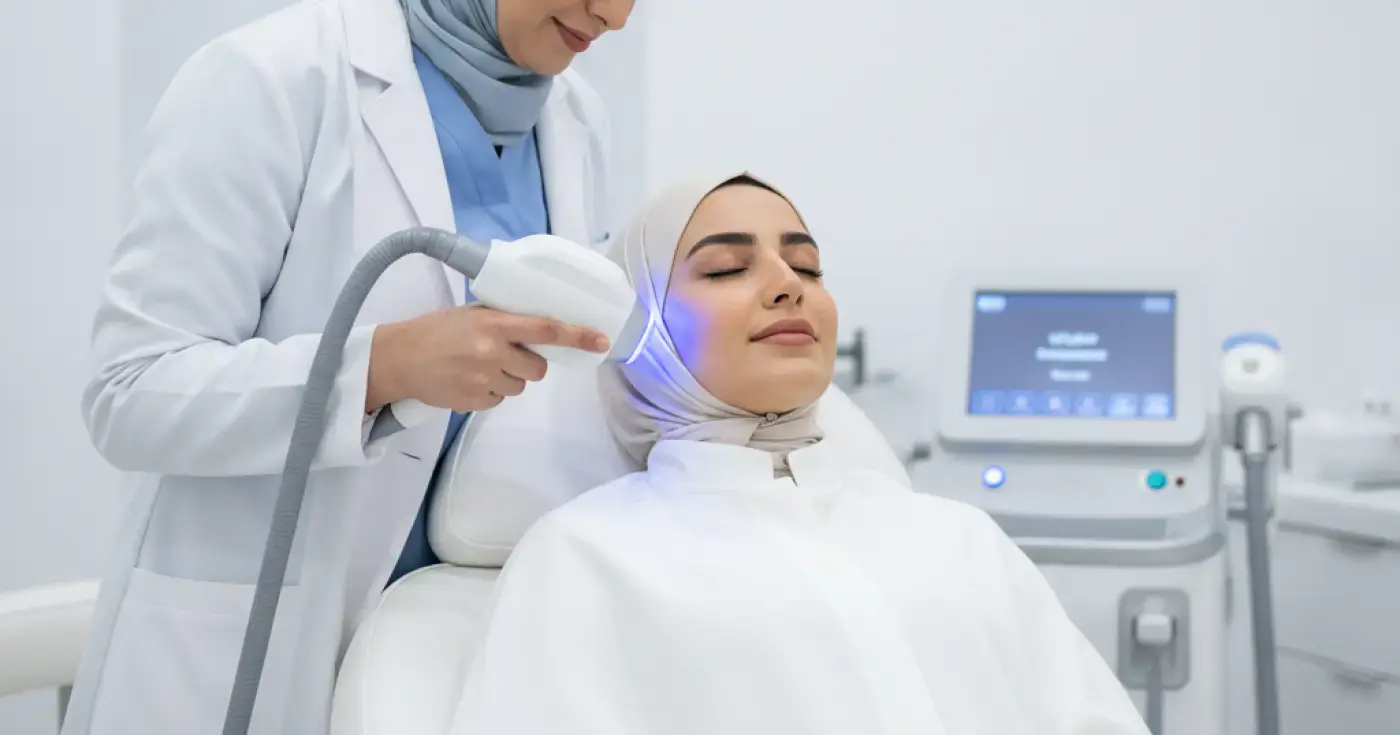
Hyperpigmentation is a highly prevalent dermatological concern in Saudi Arabia, primarily driven by intense solar radiation and prolonged exposure to ultraviolet (UV) rays. This condition occurs due to the overproduction of melanin, resulting in dark spots and uneven skin tone. In recent years, the Saudi aesthetic dermatology sector has advanced significantly, making laser hyperpigmentation removal one of the most sought-after and clinically effective solutions to restore skin clarity and radiance.
Before undergoing laser therapy, a precise diagnosis of the pigmentation type is essential, as it dictates the choice of laser wavelength and treatment parameters. The most common types include:
Licensed medical clinics in Saudi Arabia utilize advanced laser systems approved by the Saudi Food and Drug Authority (SFDA). These technologies target melanin chromophores selectively, minimizing thermal damage to surrounding tissues. Key modalities include:
Picosecond lasers represent a major breakthrough, particularly for darker skin phototypes (Fitzpatrick IV-VI) common in the Gulf region. Operating in ultra-short picosecond pulses, this technology shatters pigment particles photomechanically rather than photothermally, significantly reducing the risk of post-inflammatory hyperpigmentation (rebound pigmentation).
A gold-standard technology that delivers high-energy nanosecond pulses. It is highly effective for targeting both superficial and deep dermal pigments, making it an excellent choice for freckles and solar lentigines.
This modality creates microscopic thermal treatment zones to promote epidermal turnover and collagen remodeling. It is used selectively for superficial pigmentation accompanied by mild acne scarring or fine lines.
| Technology | Mechanism of Action | Indication | Expected Downtime |
|---|---|---|---|
| Picosecond Laser | Photomechanical shattering of pigment with minimal heat | Melasma, deep dermal pigment, tattoos | 1 to 2 days (mild erythema) |
| Q-Switched Nd:YAG | High-energy nanosecond thermal pulses targeting melanin | Freckles, sun spots, superficial pigment | 3 to 5 days (mild crusting) |
| Fractional Laser | Microscopic fractional ablation to stimulate skin renewal | Superficial pigment with acne scars | 5 to 7 days (peeling and redness) |
Not all pigmentation cases are suitable for immediate laser intervention. A thorough dermatologist consultation is mandatory to assess the patient's skin type using the Fitzpatrick scale. While lighter skin tones tolerate a wider range of lasers, darker skin types require specialized parameters and advanced technologies like picosecond lasers to prevent thermal complications.
To optimize clinical outcomes and minimize adverse events, patients must strictly adhere to pre-treatment protocols:
The procedure begins with thorough skin cleansing. A topical anesthetic cream is applied to the target area for 30 to 45 minutes to ensure patient comfort. Protective eyewear is provided to shield the eyes from laser light. The dermatologist then delivers the laser pulses across the treatment area. Patients typically experience a mild snapping sensation, similar to a rubber band against the skin. The session lasts between 15 to 30 minutes depending on the area's size.
Post-treatment compliance is vital to achieving desired results and preventing complications. The prescribed post-laser skin care regimen typically includes:
While modern laser systems are highly safe when operated by qualified professionals, temporary side effects such as mild redness, swelling, and dryness are common. However, performing the procedure in unlicensed facilities or using unapproved devices can lead to severe complications, including thermal burns, permanent hypopigmentation (white spots), or severe rebound hyperpigmentation.
The Saudi Ministry of Health (MOH) enforces strict regulations on aesthetic medical practices. When seeking laser melasma treatment or general pigmentation removal, patients must ensure:
Clear, direct answers
Advertisement
Continue exploring
A clinical guide on the safety of laser hair removal after tanning or during your period, comparing Gentle Pro, Splendor X, and Soprano Titanium.
Read article
Learn how to choose the best laser hair removal technology for your skin type in KSA, featuring SFDA regulations and expert dermatological advice.
Read article
Get the scientific facts about laser hair removal and cancer risk. Learn the difference between ionizing and non-ionizing radiation from medical experts.
Read articleExplore the topic