
Lahalak Medical PlatformDifferentiate Care
Learn how infectious skin diseases transmit from person to person, common types (bacterial, viral, fungal), and essential prevention tips.

Advertisement
Infectious skin diseases are common health conditions affecting individuals of all ages. These diseases vary in their etiology, encompassing viruses, bacteria, fungi, and parasites. Understanding how these pathogens transmit from person to person is the cornerstone of preventing outbreaks and protecting public health, particularly in crowded environments such as schools, sports facilities, and workplaces. This guide provides a clinical overview of skin infection transmission mechanisms and practical preventive measures.
Pathogens causing skin infections spread through several primary routes, depending on the nature of the microorganism and its viability outside the human host:
Direct physical contact with an infected person's skin is the most common route of transmission. This occurs during handshakes, hugging, or contact sports. Common examples include viral warts, herpes simplex, and scabies.
Certain pathogens, especially fungi and some bacteria, can survive for varying periods on inanimate objects and surfaces. When a healthy individual uses contaminated personal items such as towels, bed linen, clothing, makeup tools, or gym equipment, the pathogen can easily transfer to their skin.
Warm, humid environments like public swimming pools, communal showers, and locker rooms are ideal breeding grounds for fungi and bacteria. For instance, athlete's foot is frequently contracted by walking barefoot in these shared areas.
Dermatologists classify infectious skin conditions based on the causative microorganism:
These occur due to bacterial proliferation (such as Staphylococcus or Streptococcus) on the skin. Classic examples include impetigo and folliculitis. Accurate diagnosis often requires a skin culture test to identify the specific bacteria and guide antibiotic therapy.
Caused by viruses invading skin cells, these infections include chickenpox, shingles, warts, and molluscum contagiosum. Some of these viral agents are highly contagious and spread rapidly through minimal contact.
Fungi target the superficial layers of the skin, hair, and nails. Examples include ringworm (tinea) and athlete's foot. These organisms thrive in warm, moist areas of the body.
These are caused by microscopic organisms living on or in the skin, such as scabies mites and head lice. They cause intense itching and spread rapidly among household members.
| Skin Disease | Causative Agent | Primary Transmission Route | Approximate Incubation Period |
|---|---|---|---|
| Impetigo | Bacterial | Direct contact & shared towels | 2 - 10 days |
| Scabies | Parasitic (Mite) | Prolonged skin-to-skin contact | 2 - 6 weeks |
| Ringworm | Fungal | Direct contact or contaminated surfaces | 4 - 14 days |
| Warts | Viral (HPV) | Direct contact or wet surfaces | 2 - 6 months |
Several factors can increase an individual's risk of contracting or spreading infectious skin diseases, including:
While some minor skin conditions resolve on their own, certain symptoms require professional medical evaluation to prevent complications and further transmission. You should seek a dermatologist consultation if you experience:
Prevention is the most effective strategy to control the spread of skin infections. Adhering to the following guidelines can significantly reduce transmission risks:
Wash your hands thoroughly with soap and water for at least 20 seconds, especially after visiting public places, touching shared surfaces, and before eating.
Never share towels, clothing, razors, nail clippers, or hairbrushes with others, even within the same household.
Dry your skin thoroughly after bathing, paying close attention to skin folds and between the toes, to discourage fungal growth.
Keep any open cuts or abrasions covered with sterile bandages to protect them from bacterial contamination and prevent spreading pathogens to others.
Avoid walking barefoot around public swimming pools, communal showers, and gym locker rooms.
Effective skin disease treatment depends entirely on an accurate diagnosis by a qualified medical professional. Bacterial infections are treated with antibiotics, fungal infections require antifungals, and viral conditions may need antiviral medications or clinical procedures like cryotherapy. Avoid self-medicating with random topical creams or unverified home remedies, as they can worsen the infection, cause skin irritation, and delay proper healing.
Clear, direct answers
Advertisement
Continue exploring
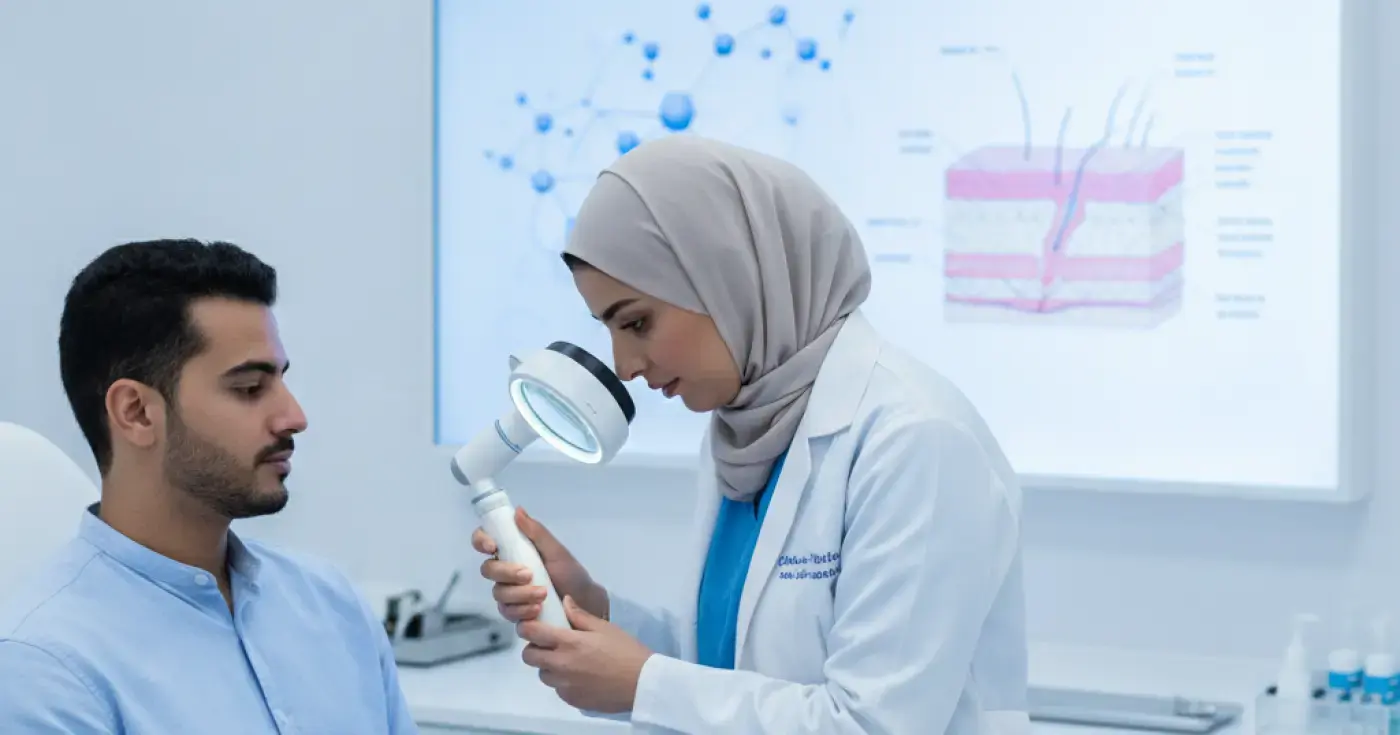
A comprehensive medical guide on infectious skin diseases: bacterial, viral, fungal, and parasitic types, causes, symptoms, and prevention.
Read article
Learn why recurrent hives (chronic urticaria) return, when to see a doctor, and the essential diagnostic tests and treatments to manage symptoms.
Read article
Learn the warning signs of a serious skin rash, how to distinguish mild from emergency cases, and when to seek immediate medical attention.
Read article