
Lahalak Medical PlatformDifferentiate Care
Discover if mesotherapy can treat active acne and scars. Learn about ingredients, benefits, side effects, and expert dermatological advice.
Advertisement
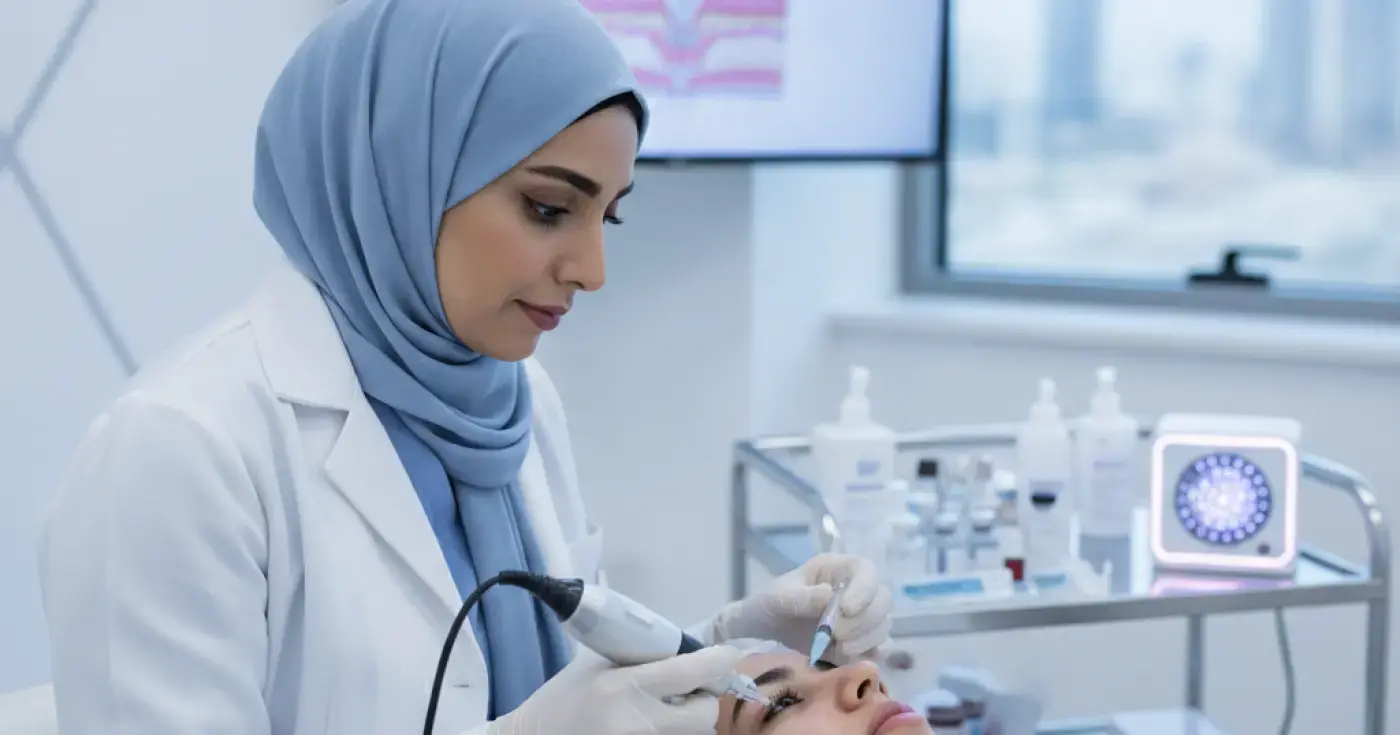
Mesotherapy is a popular minimally invasive cosmetic procedure performed in dermatology clinics. It involves injecting a customized cocktail of vitamins, minerals, amino acids, and botanical extracts directly into the mesoderm (the middle layer of the skin). This procedure aims to stimulate collagen and elastin production, improve local microcirculation, and nourish the skin deeply. With its rising popularity, many wonder if skin mesotherapy can effectively treat acne.
From a clinical standpoint, mesotherapy is not considered a primary or first-line treatment for active, highly inflammatory acne, such as cystic or nodular acne. Managing active acne typically requires medical protocols focused on regulating sebum production, combating acne-causing bacteria, and exfoliating clogged pores using topical treatments or oral medications prescribed by a dermatologist.
However, mesotherapy can be utilized as an excellent complementary or supportive treatment for mild-to-moderate acne or once the active inflammation is under control. At this stage, it helps accelerate skin healing, reduce post-inflammatory hyperpigmentation, and improve the overall texture of acne-prone skin.
When customizing a mesotherapy cocktail for acne-prone skin, dermatologists select specific active ingredients that soothe the skin and regulate its secretions. These key ingredients include:
Mesotherapy offers several clinical benefits for individuals recovering from acne or dealing with persistent skin congestion:
The following table compares mesotherapy with other common acne management options to help you understand their distinct clinical roles:
| Comparison Factor | Skin Mesotherapy | Topical Treatments (Creams) | Oral Medications (e.g., Isotretinoin) |
|---|---|---|---|
| Primary Goal | Nourish skin, treat scars, and boost radiance | Reduce inflammation, exfoliate, and target bacteria | Treat severe, recalcitrant, and cystic acne |
| Method of Administration | In-office micro-injections by a specialist | Daily self-application on affected areas | Daily oral capsules under strict medical supervision |
| Efficacy Against Active Inflammation | Limited; used as a supportive therapy | High for mild-to-moderate cases | Very high for severe and cystic cases |
| Scar and Pigmentation Improvement | Excellent; directly promotes cellular renewal | Moderate; requires prolonged, consistent use | Does not directly treat scars during active therapy |
Mesotherapy is highly suitable for individuals experiencing:
Conversely, mesotherapy is not recommended for individuals with severe active skin infections, pregnant or lactating women, or those with known allergies to any of the injected ingredients.
Undergoing a mesotherapy session involves specific steps to ensure safety and optimal clinical outcomes:
A consultation with a licensed dermatologist is essential to evaluate your skin and rule out contraindications. Patients are advised to avoid blood-thinning medications (such as aspirin) for a few days prior to the session (after consulting their physician) to minimize bruising. Avoid strong chemical exfoliants or topical retinoids for 48 hours before the procedure.
The dermatologist thoroughly cleanses and disinfects the skin, then applies a topical numbing cream to minimize discomfort. The nutrient cocktail is then injected into multiple points across the face using very fine needles, either manually or via a specialized mesotherapy device. The session typically lasts between 20 to 40 minutes.
Mild redness and slight swelling at the injection sites are normal and usually resolve within 24 to 48 hours. Patients must strictly follow post-treatment instructions, which include avoiding touching the face, staying out of direct sunlight, applying a broad-spectrum sunscreen, and avoiding makeup for several hours.
While mesotherapy is generally safe when performed by a qualified dermatologist in a sterile clinical environment, temporary side effects may occur, including:
To maintain your results and prevent complications, it is highly recommended to follow a tailored oily skin care routine post-treatment, including:
Always consult a qualified dermatologist before deciding on any cosmetic procedure, such as skin boosters or mesotherapy. A specialist is the only one qualified to accurately diagnose your acne type and determine whether mesotherapy is the right choice for your skin, or if you require a primary medical protocol first to achieve healthy, clear skin safely.
Clear, direct answers
Advertisement
Continue exploring
Comprehensive medical guide on facial mesotherapy post-care tips. Learn what to do and avoid after your session to maximize results and prevent risks.
Read article
Discover what happens to your skin after mesotherapy. Learn about normal side effects, recovery timeline, post-care tips, and when to see a doctor.
Read article
Discover when to expect results from facial mesotherapy, key factors influencing the timeline, recommended sessions, and post-treatment care tips.
Read articleExplore the topic