
Lahalak Medical PlatformDifferentiate Care
Discover when to expect results from facial mesotherapy, key factors influencing the timeline, recommended sessions, and post-treatment care tips.
Advertisement
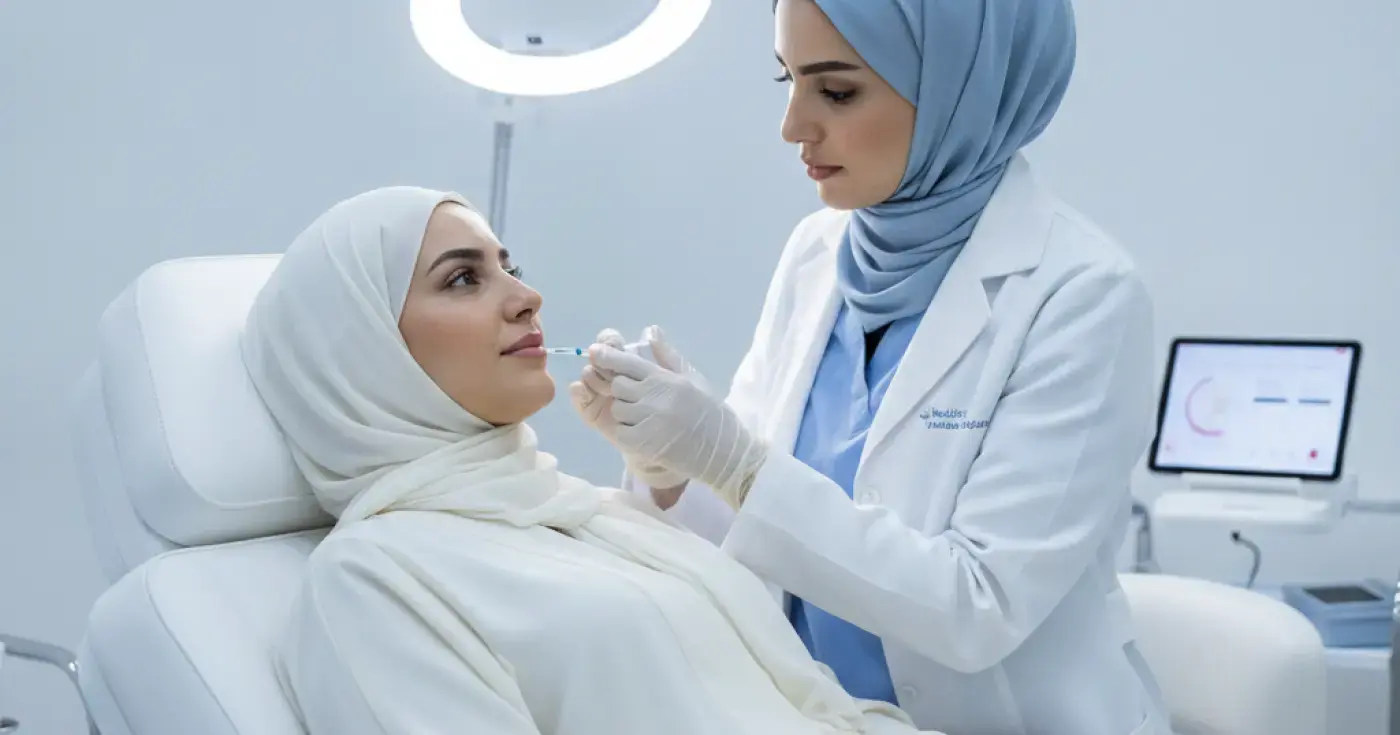
Maintaining a youthful, radiant complexion is a primary goal for many individuals seeking non-surgical aesthetic enhancements. Among the various advanced treatments available in modern cosmetic dermatology, facial mesotherapy stands out as a highly effective, minimally invasive procedure designed to rejuvenate tired, dull, and aging skin from within.
For those considering this treatment, understanding the timeline of expected outcomes is crucial. When do the results actually show, and what factors determine how quickly your skin responds? In this comprehensive guide, aligned with professional clinical standards, we explore the expected timeline for mesotherapy results, the biological mechanisms involved, and practical tips to optimize and maintain your skin's new glow.
Facial mesotherapy involves injecting a customized cocktail of active ingredients directly into the mesoderm (the middle layer of the skin). This specialized blend typically contains hyaluronic acid, essential vitamins, minerals, amino acids, and potent antioxidants. The procedure works through a dual-action mechanism:
This synergistic process improves skin quality at a cellular level, resulting in enhanced hydration, firmness, and overall luminosity.
The timeline for visible improvements varies from person to person. Several key factors influence how quickly and effectively your skin responds to the treatment:
The specific ingredients used in your mesotherapy session play a major role. Formulations rich in free hyaluronic acid provide almost immediate hydration and a subtle plumping effect, whereas blends focused on vitamins and antioxidants require more time to visibly improve skin tone and reduce pigmentation.
Younger skin with minor signs of fatigue generally responds faster than mature skin with deeper wrinkles or significant sun damage. Additionally, natural cellular turnover slows down with age, meaning older skin may require more sessions before showing substantial improvement.
Maintaining a healthy lifestyle directly impacts your results. Smoking, poor diet, dehydration, and excessive sun exposure can delay skin healing and diminish the longevity of the treatment. Adhering to a proper skincare routine is essential to support the treatment's efficacy.
The depth of injection and even distribution of the product require precise clinical skill. A qualified practitioner ensures that the active ingredients are delivered to the correct depth, maximizing benefits while minimizing downtime and side effects.
To help manage expectations, the typical progression of results following a facial mesotherapy session is outlined in the table below:
| Timeframe Post-Treatment | Biological Changes in the Skin | Visible Skin Appearance |
|---|---|---|
| First 24 to 48 Hours | Mild swelling and redness from the micro-injections subside. | The skin returns to its normal state with a slight increase in hydration. |
| 3 to 7 Days | Cells begin absorbing the active nutrients; microcirculation is enhanced. | Initial radiance appears; skin texture feels smoother and softer. |
| After 2nd or 3rd Session (2–4 weeks) | Nutrients accumulate in the dermis, actively stimulating collagen synthesis. | Visible improvement in skin elasticity, more even skin tone, and a healthier glow. |
| After Completing the Full Course (2–3 months) | New collagen fibers are fully formed, stabilizing the skin's deeper structure. | Firmer skin, sustained natural radiance, and a reduction in fine surface lines. |
A single session of mesotherapy is rarely sufficient to achieve long-lasting, transformative results. Clinical protocols typically consist of two main phases:
Facial mesotherapy offers a wide range of benefits, making it a highly versatile treatment for various skin concerns:
While skin boosters and mesotherapy are exceptionally safe when performed by qualified medical professionals, some mild, transient side effects may occur, including:
These effects typically resolve spontaneously within 24 to 48 hours. Applying a cold compress gently to the treated area immediately after the session can help soothe the skin and reduce swelling.
To ensure optimal results and minimize the risk of complications, patients should follow these clinical guidelines:
It is common to confuse mesotherapy with other popular skin boosters or injectable treatments. However, they differ in composition and primary indications:
To guarantee safety and efficacy, facial mesotherapy should always be performed in a licensed medical clinic by a qualified dermatologist or aesthetic physician. A specialist will evaluate your skin type, rule out contraindications (such as active skin infections, severe acne, or allergies to specific ingredients), and design a personalized treatment plan. Contact your doctor if you experience persistent redness, swelling lasting more than a week, or any signs of infection.
Clear, direct answers
Advertisement
Continue exploring
Learn how many facial mesotherapy sessions are needed for optimal results, the factors affecting your treatment plan, and expected timelines.
Read article
Learn how facial mesotherapy stimulates collagen, its key ingredients, benefits, side effects, and how it compares to other skin boosters.
Read article
Learn how facial mesotherapy and Meso-Botox help reduce the appearance of enlarged pores, improve skin texture, and control excess sebum production.
Read articleExplore the topic