
Lahalak Medical PlatformDifferentiate Care
Discover how Cryolipolysis (fat freezing) works, expected results, treatment areas, side effects, and recovery tips in our comprehensive medical guide.

Advertisement
Many women and men struggle with stubborn, localized fat deposits that resist even the most rigorous diet and exercise regimens. In the rapidly evolving field of aesthetic medicine, cryolipolysis (commonly known as fat freezing) has emerged as one of the most popular, safe, and effective non-surgical methods for body contouring. Approved by major global regulatory bodies, this technology targets and cools subcutaneous fat cells to sub-zero temperatures, leading to their natural destruction without damaging the surrounding tissues.
It is crucial to establish from the outset that cryolipolysis is not a weight-loss solution or a treatment for obesity. Rather, it is a body-sculpting procedure designed to refine contours and smooth out stubborn bulges in specific areas. In this comprehensive guide, we will explore the scientific principles behind cryolipolysis, what to expect during a session, the timeline for results, and the safety considerations you should keep in mind.
Cryolipolysis is based on the scientific principle of "selective cryolysis." Researchers discovered that fat cells (adipocytes) are inherently more sensitive to cold temperatures than other surrounding cells, such as skin, nerves, and muscle tissue. During the procedure, a specialized applicator delivers precisely controlled cooling (typically ranging from -11 to -13 degrees Celsius) to the targeted fat pocket for a set duration.
This localized cooling causes the lipids within the fat cells to crystallize, triggering a natural, programmed cell death known as apoptosis. Because the surrounding tissues have a much higher tolerance for cold, they remain completely unharmed.
Once the targeted fat cells undergo apoptosis, the body's natural immune response takes over. Over the following weeks and months, macrophages (a type of immune cell) gradually break down and clear the dead fat cells. The released lipids are safely processed through the lymphatic system and metabolized by the liver, eventually being excreted from the body. This gradual elimination process ensures that there is no sudden spike in blood lipid levels, making the procedure highly safe and physiologically gentle.
Cryolipolysis is highly effective, but it is not suitable for everyone. To achieve optimal results, ideal candidates should meet the following criteria:
Modern cryolipolysis devices feature a variety of applicator shapes and sizes designed to fit different anatomical curves. The most common treatment areas include:
A typical cryolipolysis session is straightforward, comfortable, and requires no anesthesia. Here is a step-by-step breakdown of what to expect:
To help you weigh your options for body contouring, the table below highlights the key differences between non-surgical fat freezing and traditional surgical liposuction:
| Feature | Cryolipolysis (Fat Freezing) | Surgical Liposuction |
|---|---|---|
| Invasiveness | Non-invasive; performed on top of the skin. | Invasive; requires incisions and cannulas. |
| Anesthesia | None required. | General anesthesia or deep local sedation. |
| Downtime | Zero; immediate return to daily activities. | Several days to weeks; requires compression garments. |
| Results Timeline | Gradual; visible within 2 to 4 months. | Immediate; improves as surgical swelling subsides. |
| Fat Reduction | Approximately 20% - 25% of fat in the treated area per session. | Significant volumes customized to patient needs. |
| Risks & Side Effects | Minimal and temporary (redness, mild bruising). | Surgical risks (infection, bleeding, contour irregularities). |
Because the body clears the destroyed fat cells through natural metabolic pathways, results are not instantaneous. You may begin to notice subtle changes as early as 3 weeks post-treatment. The most dramatic and visible improvements typically appear between 2 to 3 months after the session. Your body will continue to flush out fat cells for up to 6 months.
The number of sessions depends on the thickness of the fat layer and your aesthetic goals. Many individuals achieve excellent results with just a single session per area. However, for more pronounced contouring or larger fat deposits, your practitioner may recommend a second or third session spaced several weeks apart.
While cryolipolysis is highly safe, it is a medical aesthetic procedure and can carry some temporary side effects:
In very rare instances (estimated at less than 0.05%), a condition called Paradoxical Adipose Hyperplasia (PAH) can occur. Instead of shrinking, the treated fat cells expand and harden, forming a firm mass that mirrors the shape of the applicator. While not medically dangerous, PAH does not resolve on its own and requires surgical intervention, such as liposuction, to correct once the tissue has stabilized.
To maximize the efficacy of your cryolipolysis treatment and maintain your newly sculpted contours long-term, consider the following tips:
Before booking a session, it is essential to schedule a dermatology and aesthetics consultation with a qualified specialist. They will evaluate your medical history to rule out rare cold-induced conditions such as cryoglobulinemia or paroxysmal cold hemoglobinuria. If you experience severe, prolonged pain or unusual swelling after your procedure, contact your healthcare provider promptly to ensure proper evaluation and care.
Clear, direct answers
Advertisement
Continue exploring

Discover how non-surgical body contouring and cryolipolysis work, ideal candidates, clinical risks, and what to expect before and after your sessions.
Read article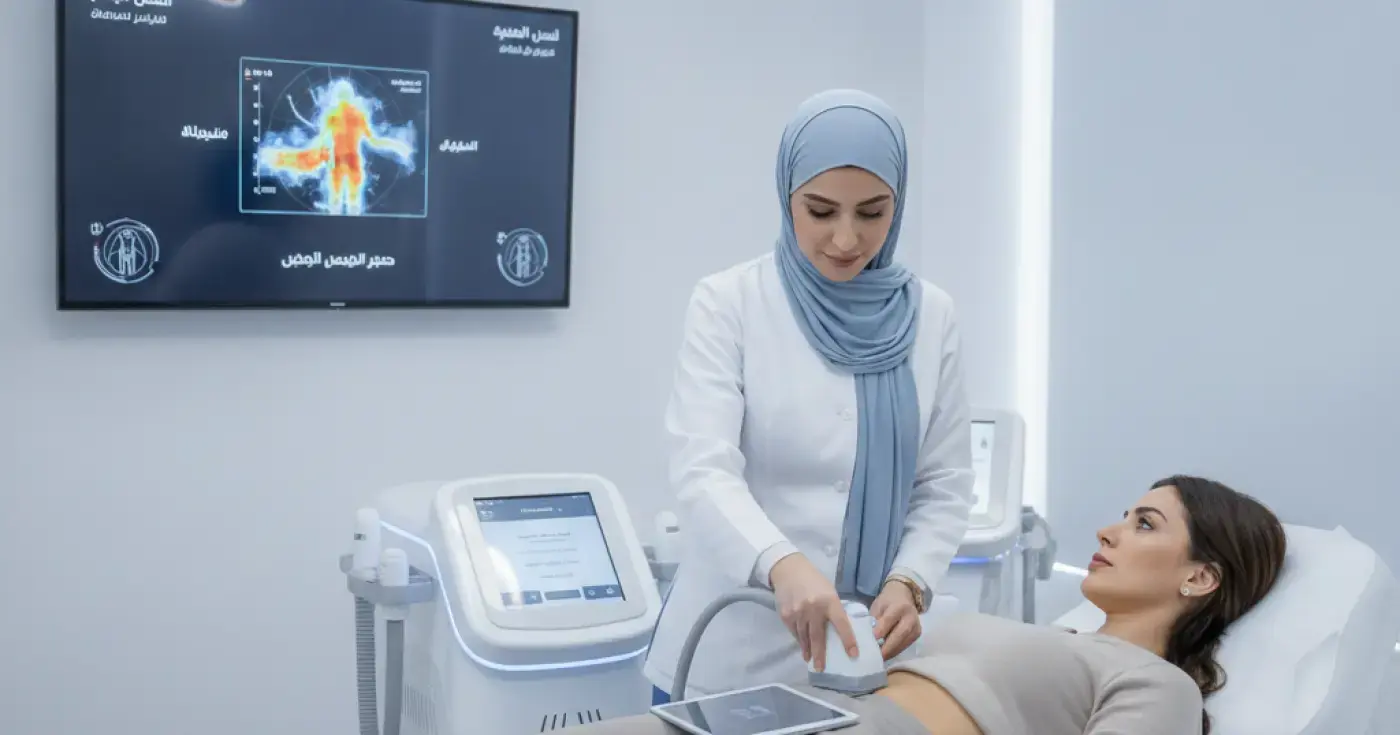
Learn about non-surgical body sculpting, including Cryolipolysis (fat freezing), ideal candidates, expected results, and key differences from weight loss.
Read article