
Lahalak Medical PlatformDifferentiate Care
Discover safe, natural ways to boost your chances of pregnancy as a newlywed. Learn about ovulation tracking, lifestyle changes, and when to seek medical advice.
Advertisement
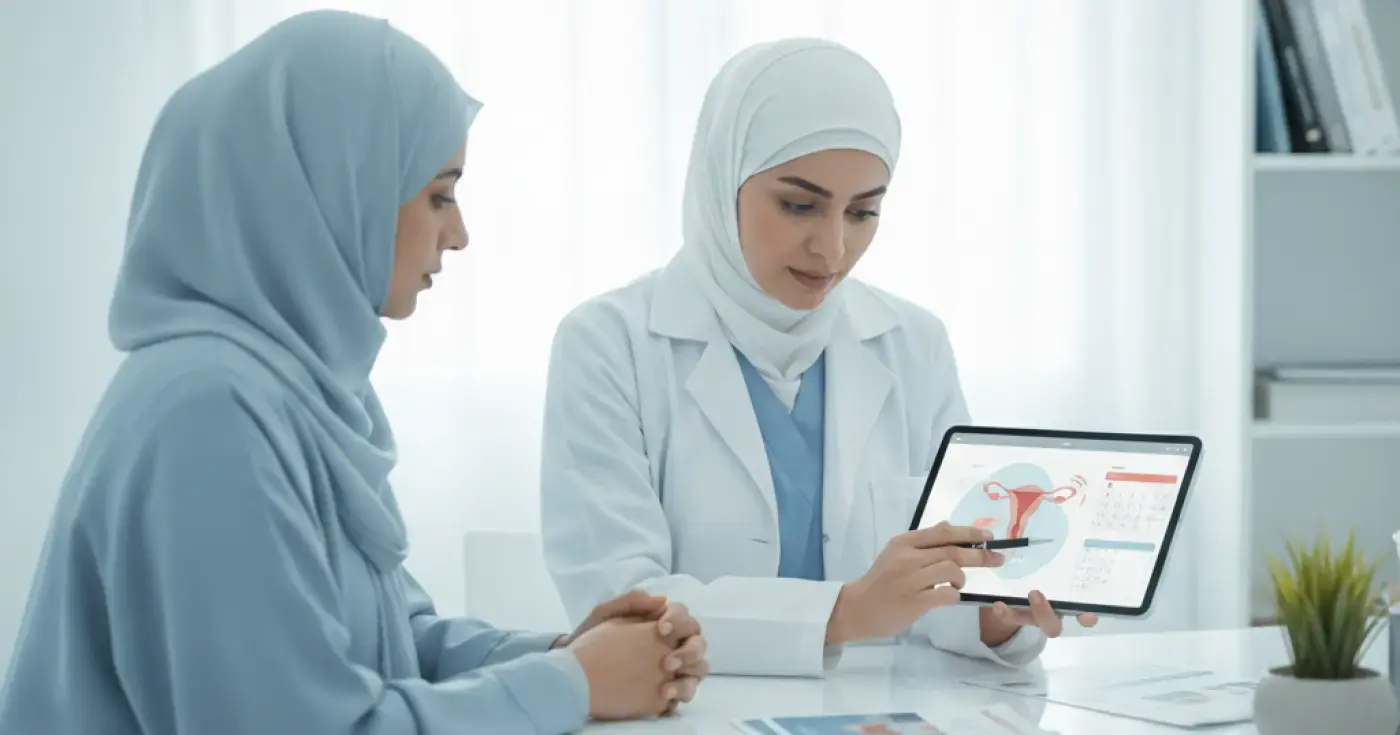
The beginning of married life is a phase filled with hope and anticipation, and planning for pregnancy is one of the most significant decisions a couple can make. While conception is a natural process that occurs spontaneously for most couples, understanding the physiological factors that boost fertility can significantly accelerate the process and reduce associated anxiety.
For natural conception to occur, healthy sperm must meet a mature egg during the fertile window. This process requires precise hormonal harmony and good physical health for both partners. Here are the key medical steps to enhance these chances:
Identifying the timing of ovulation is the most crucial factor in accelerating pregnancy. Ovulation typically occurs in the middle of a regular menstrual cycle (around day 14 of a 28-day cycle). The fertile window spans about 6 days, including the five days prior to ovulation and the day of ovulation itself.
Nutrition plays a vital role in regulating hormones and improving egg and sperm quality. It is recommended to focus on foods rich in antioxidants, leafy greens, whole grains, and healthy fats like Omega-3. Additionally, starting folic acid supplementation at a dose of 400 mcg daily at least three months before conception is essential to prevent fetal neural tube defects.
Being significantly underweight or overweight can negatively impact female hormone balance and ovulation. Medical studies show that achieving a balanced Body Mass Index (BMI) supports regular menstrual cycles and subsequently increases the likelihood of conception.
Medical data indicates that the chances of conception vary based on the duration of trying and the couple's age. The following table illustrates the approximate cumulative pregnancy rates among healthy couples:
| Duration of Trying | Cumulative Pregnancy Rate |
|---|---|
| Within the first 3 months | Approximately 68% |
| Within the first 6 months | Approximately 81% |
| Within one full year | Approximately 85% to 90% |
According to global medical guidelines, it is recommended to continue trying naturally for a full year if the wife is under 35 years old and has no known medical conditions. However, if the wife is 35 or older, it is advisable to consult an obstetrician-gynecologist after 6 months of continuous trying without success.
From clinical practice in OB-GYN clinics, we observe that anxiety and psychological stress are among the most common factors negatively affecting menstrual regularity and ovulation in newlyweds. Many women mistakenly believe that failing to conceive in the first month indicates a medical issue. Reassurance and understanding one's body represent half the journey toward motherhood.
Health status and medical history vary from one individual to another. Therefore, using ovulation stimulants or unknown herbal remedies without strict medical supervision can lead to serious complications, such as Ovarian Hyperstimulation Syndrome (OHSS), an increased risk of high-risk multiple pregnancies (twins or more), or severe hormonal imbalances. Always adhere to professional medical advice.
To safely boost conception chances, couples are advised to: engage in regular intercourse (every 2 to 3 days) especially during the fertile window, completely quit smoking and avoid secondhand smoke, limit caffeine intake, and avoid commercial vaginal lubricants that may impair sperm motility, opting instead for fertility-friendly alternatives recommended by a doctor.
The information provided in this article is for educational purposes only and should not be considered a medical diagnosis or a substitute for professional consultation with a qualified obstetrician-gynecologist who can evaluate each case individually based on clinical examinations.
Clear, direct answers
Advertisement
Continue exploring
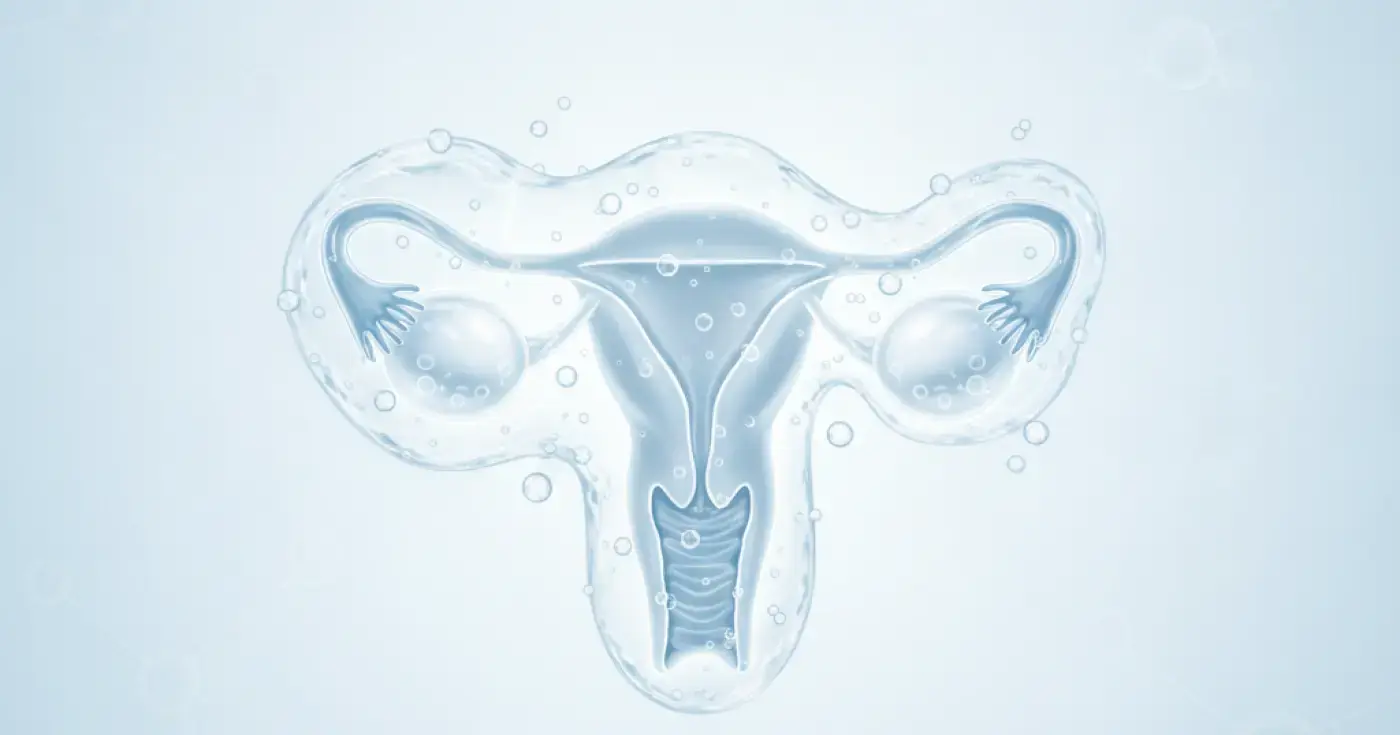
A comprehensive medical guide on Ovarian Hyperstimulation Syndrome (OHSS). Learn about symptoms, severity levels, prevention, and potential complications during IVF.
Read article
Learn about ovulation induction medications, when they are used, and potential risks like OHSS, with key clinical insights to support a safe pregnancy journey.
Read article
Understand the normal timeline for conception in early marriage. Learn when to consult a fertility specialist and read clinical insights to ease anxiety.
Read articleExplore the topic
Ovarian Hyperstimulation Syndrome (OHSS): A Comprehensive Guide to Prevention and Safe CareElixir · Health PanoramaOvulation Stimulants: A Comprehensive Guide for Women Wishing to Conceive (Pros, Cons, and When to Use)Elixir · Health PanoramaDelayed Pregnancy in Early Marriage: A Comprehensive and Reassuring GuideElixir · Health Panorama