
Lahalak Medical PlatformDifferentiate Care
A comprehensive medical guide on Ovarian Hyperstimulation Syndrome (OHSS). Learn about symptoms, severity levels, prevention, and potential complications during IVF.
Advertisement
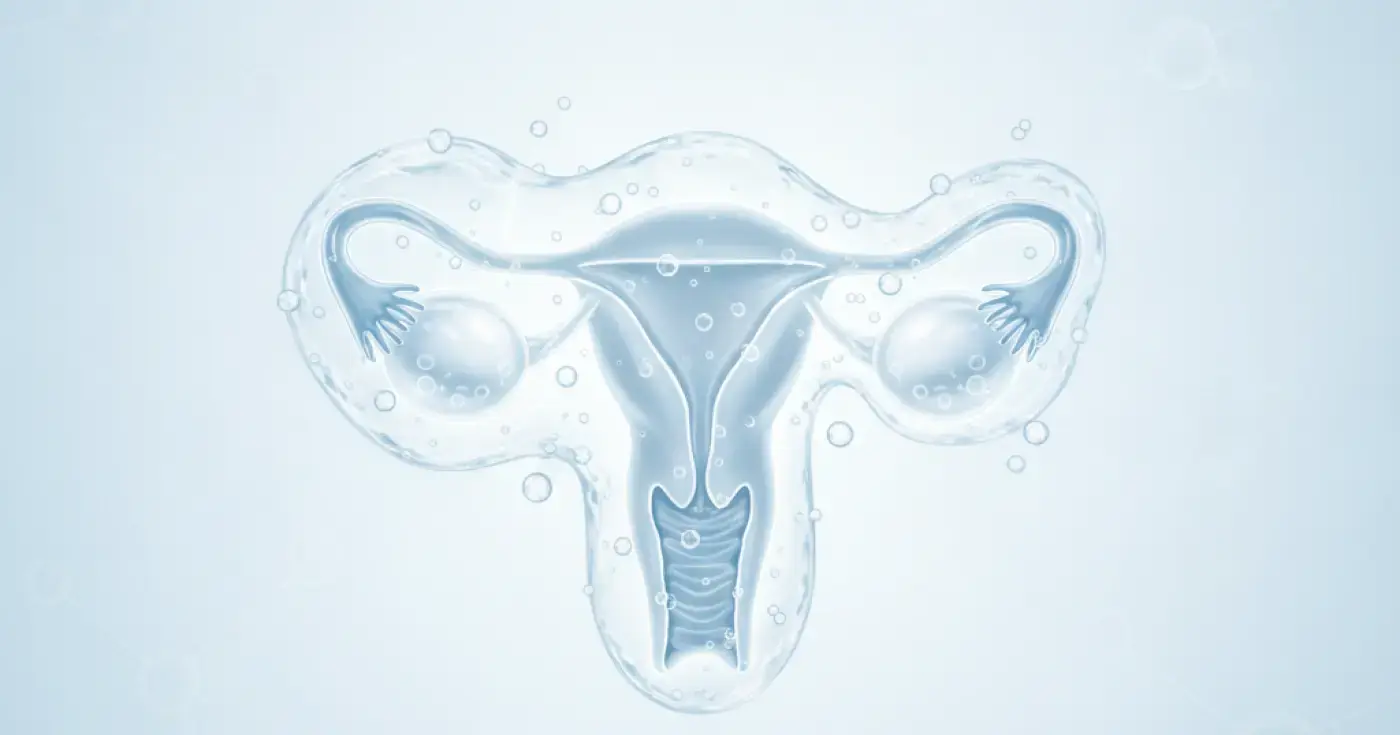
The journey of fertility treatment and ovarian stimulation is an important and hopeful step for many women seeking to achieve parenthood. However, this journey can sometimes be accompanied by medical challenges that require careful awareness and monitoring by both the medical team and the patient. One of the most notable of these conditions is Ovarian Hyperstimulation Syndrome (OHSS), an exaggerated response of the body to ovarian stimulation medications.
This syndrome occurs as an excessive and unexpected response of the ovaries to hormonal medications used to stimulate egg growth, especially those administered via injection during Intracytoplasmic Sperm Injection (ICSI) or In Vitro Fertilization (IVF). This exaggerated response causes the ovaries to swell and release chemical substances that lead to fluid leaking from blood vessels into the abdominal cavity, and sometimes the chest cavity.
Ovarian Hyperstimulation Syndrome is classified into different degrees based on clinical symptoms and examinations. Approximate medical statistics show its occurrence as follows:
| Severity Level | Common Symptoms | Approximate Occurrence Rate |
|---|---|---|
| Mild | Mild abdominal bloating, mild nausea, feeling of fullness. | Up to 20% - 33% of stimulation cycles |
| Moderate | Increasing abdominal pain, persistent nausea, vomiting, slight weight gain. | About 3% - 6% of cases |
| Severe | Rapid weight gain (more than 1 kg in a day), shortness of breath, decreased urination, noticeable fluid accumulation. | Less than 1% to 2% of cases |
It is essential to monitor your body closely during the stimulation period and after egg retrieval. You should contact your doctor immediately or go to the nearest emergency center if you experience any of the following warning signs:
In fertility clinics, concerns regarding hyperstimulation make up a large portion of patient inquiries. From clinical practice, doctors observe that many patients confuse normal bloating associated with ovarian stimulation with the actual syndrome. During the consultation, the physician focuses on evaluating individual risk factors such as the patient's age, presence of Polycystic Ovary Syndrome (PCOS), and Anti-Müllerian Hormone (AMH) levels. Reassuring the patient and explaining preventive strategies, such as the "freeze-all" embryo strategy and delaying transfer to a subsequent cycle, significantly helps reduce anxiety and ensures patient safety without compromising overall success rates.
The likelihood of complications varies significantly from one patient to another based on general health status, medical history, physician assessment, and adherence to medical instructions. No medical procedure can be considered 100% risk-free. Potential complications in severe cases include:
Strict adherence to your treating physician's instructions, regular monitoring via ultrasound and blood tests, and immediate communication when any unusual symptom appears are the cornerstones of preventing these complications and mitigating their risks.
To help manage mild symptoms and prevent the condition from worsening, the following guidelines are recommended after consulting your doctor:
The information provided in this article is for general health education purposes only and does not substitute for professional medical advice, diagnosis, or treatment. Always discuss any concerns or symptoms with the medical team supervising your treatment, as final medical decisions depend on a direct evaluation of each individual case.
Clear, direct answers
Advertisement
Continue exploring

Learn about ovulation induction medications, when they are used, and potential risks like OHSS, with key clinical insights to support a safe pregnancy journey.
Read article
Understand the normal timeline for conception in early marriage. Learn when to consult a fertility specialist and read clinical insights to ease anxiety.
Read article
Learn about home and laboratory pregnancy tests, the differences between blood, urine, and ultrasound tests with a detailed comparison table.
Read articleExplore the topic
Ovulation Stimulants: A Comprehensive Guide for Women Wishing to Conceive (Pros, Cons, and When to Use)Elixir · Health PanoramaDelayed Pregnancy in Early Marriage: A Comprehensive and Reassuring GuideElixir · Health PanoramaComprehensive Guide to Pregnancy Detection Methods: Differences and Scientific ComparisonsElixir · Health Panorama