
Lahalak Medical PlatformDifferentiate Care
Learn about azoospermia, zero sperm count analysis, the role of FSH and testosterone tests, and how urologists evaluate obstructive vs non-obstructive causes.

Advertisement
A zero sperm count in a semen analysis report, medically referred to as azoospermia, indicates that no spermatozoa were detected in the evaluated ejaculate sample under microscopic examination. This finding is an initial clinical signal requiring proper evaluation rather than a final diagnosis. It necessitates confirmation through repeat testing, hormone assessment, and thorough clinical evaluation by a urologist specializing in male reproductive health.
Receiving a zero sperm result following a standardized semen analysis can be concerning. Azoospermia accounts for a distinct percentage of male factor fertility evaluations. It is essential to approach this result with objective clinical clarity. The condition can stem from physical blockages in the reproductive tract (obstructive) or reduced production within the testicular tissue (non-obstructive).
Clinical guidelines strictly mandate that a diagnosis of azoospermia must not rely on a single ejaculate test. Variations in collection, recent illnesses, or laboratory timing can affect results. A repeat analysis performed after an appropriate interval (typically a few weeks to two months) with thorough centrifugation is required to verify the absence of sperm cells.
Semen parameters are sensitive to various pre-analytical factors, including
Follicle-Stimulating Hormone (FSH), secreted by the anterior pituitary gland, plays a key role in stimulating spermatogenesis. Elevated serum FSH levels often reflect compensatory responses due to primary testicular dysfunction. Conversely, abnormally low levels may point to hypothalamic or pituitary insufficiency. However, FSH levels alone do not provide a definitive answer regarding microscopic localized sperm production.
Assessing total testosterone and luteinizing hormone (LH) provides a complete picture of the Leydig cell function and the endocrine axis. These measurements help clinicians determine whether an endocrine imbalance contributes to impaired reproductive function.
Hyperprolactinemia in men can suppress gonadotropin-releasing hormone (GnRH), thereby decreasing LH and testosterone secretion. Measuring prolactin levels helps identify or rule out pituitary-related endocrine disruptions that are frequently treatable with medical therapy.
While hormonal profiles offer valuable insights, they cannot single-handedly differentiate between obstructive and non-obstructive azoospermia in all cases. Normal hormone levels can be present in both complete obstructive cases and certain non-obstructive patterns. Therefore, accurate differentiation requires integrating hormonal laboratory findings with clinical examination and imaging.
A detailed physical assessment by a urologist is fundamental. It typically involves:
Genetic evaluations, such as karyotype analysis, Y-chromosome microdeletion testing, or CFTR gene mutation screening, are ordered selectively. The clinician determines the need for these specialized tests based on clinical presentation, physical findings, and hormone levels.
Advances in modern reproductive urology and assisted reproductive technologies (ART) have transformed the management of azoospermia. Techniques such as microscopic testicular sperm extraction (micro-TESE) paired with intracytoplasmic sperm injection (ICSI) provide realistic pathways for many couples following comprehensive medical evaluation.
During a consultation, the specialist reviews medical and surgical history, performs a physical examination, reviews previous laboratory tests, and formulates a step-by-step diagnostic plan tailored to the individual.
| Clinical Scenario | Expected Hormone Profile | Physical & Ultrasound Findings | Standard Clinical Approach |
|---|---|---|---|
| Sample Needs Re-evaluation | Usually within normal limits | Typically normal | Repeat semen analysis after a standard abstinence period. |
| Suspected Obstructive Azoospermia | FSH, LH, and testosterone are usually normal. | Normal testicular volume; possible vas deferens absence or epididymal fullness | Evaluate ductal patency and discuss surgical or retrieval options. |
| Suspected Non-Obstructive Azoospermia | Often elevated FSH and LH; variable testosterone | Reduced testicular volume may be noted. | Detailed workup including genetic tests prior to sperm retrieval options |
Note: This table is intended for general educational purposes and does not replace individual clinical evaluation by a medical specialist.
Depending on clinical indication, relevant medical services may include:
Clear, direct answers
Advertisement
Continue exploring

Learn how testosterone therapy and steroids affect sperm count and male fertility, plus key steps to plan pregnancy safely with medical supervision.
Read article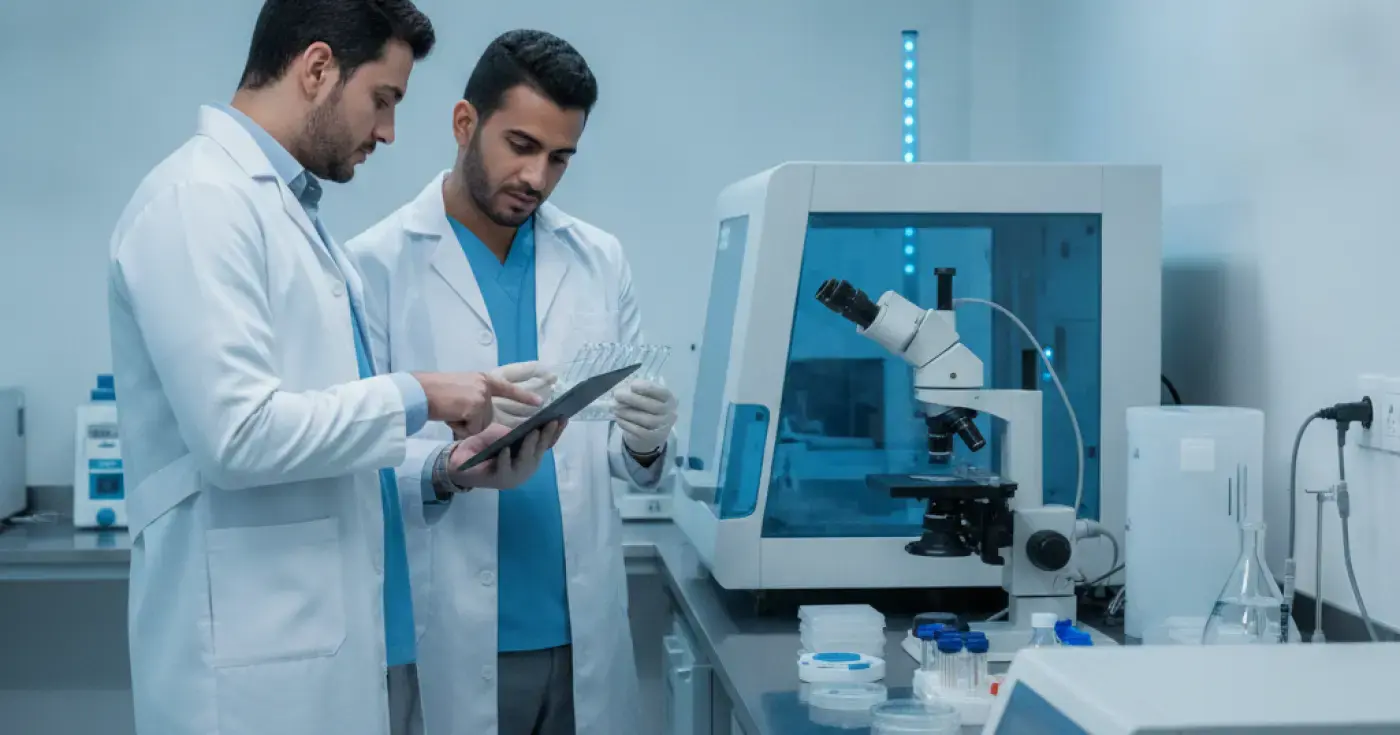
Learn about hormone testing, semen analysis, and clinical assessment for male fertility evaluation and delayed conception.
Read article
Learn about E2 estradiol levels in men, its role in gynecomastia, when to test, and why physical examination is essential.
Read articleConnected next steps
 Free Testosterone TestA precise measurement of active male hormone in the blood to evaluate sexual health, muscle strength, and vitality levels, helping diagnose hormone deficiency in men and improve daily life quality.
 Semen AnalysisA precise and comprehensive assessment of male fertility by examining sperm count, motility, and morphology. It helps identify underlying causes of delayed conception and develop an integrated, effective treatment plan.
 Thyroid Stimulating Hormone (TSH) TestThe TSH test is the primary step to evaluate thyroid activity, helping diagnose hypothyroidism or hyperthyroidism to ensure stable metabolism and energy levels.
 Prolactin (Milk Hormone) TestA test measuring prolactin levels to diagnose pituitary disorders and fertility issues, helping regulate vital and reproductive functions for both men and women effectively.