
Lahalak Medical PlatformDifferentiate Care
A comprehensive medical guide on why adult acne persists after teenage years, exploring hormonal causes, Saudi climate impacts, and clinical treatments.
Advertisement
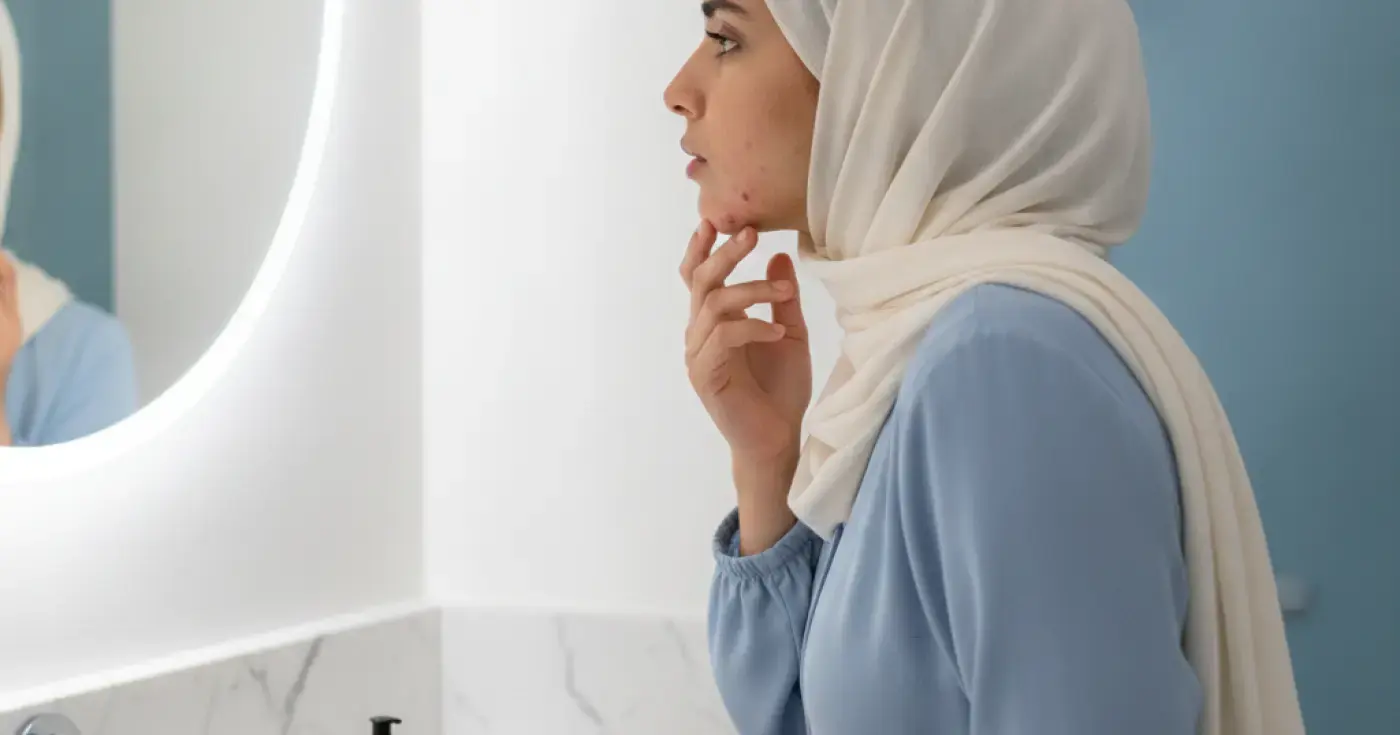
It is a common misconception that acne is a skin condition exclusive to adolescence that naturally disappears after puberty. However, clinical studies show that adult acne is a prevalent and persistent condition affecting a significant percentage of women and men in their 20s, 30s, and even 40s. This dermatological concern causes a substantial psychological and social burden, requiring a precise understanding of its underlying causes and medically sound management.
In this comprehensive medical guide from the LahaLak medical platform, we will discuss in detail the scientific reasons behind the persistence of acne after teenage years, how it differs from adolescent acne, and the best clinical and preventive options available in Saudi Arabia.
Adult acne is defined as acne that persists beyond the age of 25, or appears for the first time after this age (known as late-onset acne). Unlike teenage acne, which is primarily linked to rapid growth and pubertal hormonal surges, adult acne is associated with distinct hormonal, environmental, and lifestyle factors. It typically concentrates on the lower third of the face, including the jawline, chin, and neck.
Several biological and environmental factors interact to trigger acne during adulthood. These factors include:
Hormones are the primary culprit in adult acne, especially in women. Fluctuations in androgen levels (male hormones present in varying levels in both sexes) stimulate the sebaceous glands to produce excess sebum (oil). These fluctuations occur naturally during:
Under chronic stress, the body releases stress hormones such as cortisol and corticotropin-releasing hormone (CRH). These hormones stimulate the skin's sebaceous glands, increasing sebum production and leading to clogged pores and localized skin inflammation.
Genetics play a crucial role in determining skin susceptibility to acne. If one or both parents experienced adult acne, their children are significantly more likely to develop the condition due to inherited skin cell shedding patterns and pore-clogging tendencies.
Using heavy, oil-based skincare or makeup products that clog pores (comedogenic) is a major trigger for adult acne. It is essential to choose products labeled "oil-free" or "non-comedogenic."
While diet is not the sole direct cause, research suggests that high-glycemic diets (rich in sugars and refined carbohydrates) and dairy products may trigger systemic inflammation and worsen acne severity in some individuals.
To clarify the essential differences between the two conditions, the following table provides a clinical comparison:
| Feature | Teenage Acne | Adult Acne |
|---|---|---|
| Common Age Group | 12 - 20 years old | Over 25 years old |
| Facial Distribution | T-zone (forehead, nose, chin), back, and shoulders | U-zone (jawline, chin, and neck) |
| Lesion Type | Blackheads, whiteheads, superficial inflammatory papules | Deep nodules, painful cysts under the skin, inflammatory papules |
| Predominant Skin Type | Overall oily skin | Combination, dry, or highly sensitive skin in certain areas |
| Primary Cause | Temporary hormonal surges associated with puberty | Persistent hormonal fluctuations, stress, and lifestyle |
| Treatment Response | Responds relatively quickly to topical exfoliants | Often requires targeted hormonal or systemic therapies; takes longer |
The geographical and climatic conditions in Saudi Arabia present unique challenges for managing acne-prone skin. High temperatures and humidity (especially in coastal regions) increase sweat and sebum production, facilitating the accumulation of dust and bacteria on the skin surface, leading to clogged pores. Furthermore, constant transitions between hot outdoor environments and air-conditioned indoor spaces can cause superficial skin dehydration. This prompts the sebaceous glands to overcompensate by producing more oil, exacerbating acne flare-ups.
Managing adult acne effectively requires an accurate diagnosis by a dermatologist. During a dermatologist consultation, the specialist will:
Treatment plans vary based on the severity and underlying causes of the acne. Options include:
These are the first line of defense for mild to moderate cases and include:
Prescribed for moderate to severe cases or those resistant to topical therapies:
These procedures can support medical therapy and accelerate healing:
Adhering to a proper skincare routine is essential for controlling adult acne and preventing future breakouts. Dermatologists recommend the following steps:
It is highly recommended to seek professional medical advice if:
Adult acne is not merely a cosmetic issue; it is a medical skin condition that requires patience, consistency, and a tailored treatment plan under medical supervision. By understanding hormonal and environmental triggers, adjusting lifestyle habits, and maintaining a gentle skincare routine suitable for the Saudi climate, you can effectively manage adult acne and restore healthy, clear, and confident skin.
Clear, direct answers
Advertisement
Continue exploring

Explore the scientific link between diet and acne. Learn how sugar and dairy affect your skin in this comprehensive medical guide.
Read article
Discover the most effective medical and cosmetic treatments for active acne and scar removal. Learn about lasers, peels, and clinical skincare.
Read article
Learn the difference between acne marks and permanent scars, how long they take to fade, and the best clinical treatments available for clear skin.
Read articleExplore the topic