Lahalak Medical PlatformDifferentiate Care
Learn about wound cultures, swab limitations, distinguishing contamination from infection, and when tissue aspiration or surgical care is needed.
Advertisement
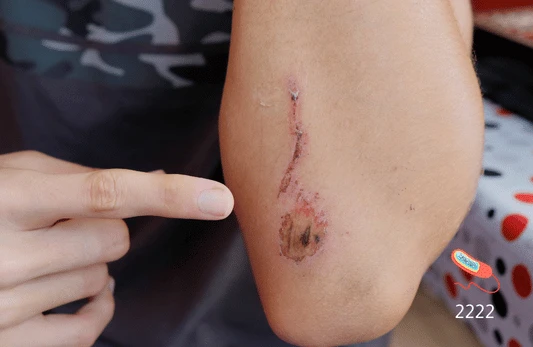
A wound culture is an essential laboratory test designed to identify microorganisms, such as bacteria or fungi, present within a wound or damaged tissue. This test assists healthcare providers in selecting the most appropriate targeted therapy when an active infection is present, preventing unnecessary antibiotic use and ensuring proper guidance based on antibiotic susceptibility testing.
Key core principles regarding wound cultures include
Not all wounds require bacterial cultures; minor and superficial clean wounds typically heal without laboratory testing. Testing is indicated when clinical signs point toward potential wound inflammation or infection, or when chronic non-healing ulcers are present, such as in diabetic foot care.
Key clinical indications include:
A common misconception is that swabbing the surface of an open wound provides a complete diagnostic picture. However, open wounds and normal skin are naturally colonized by resident flora. Taking a superficial wound swab without proper preparation samples surface organisms rather than deep tissue pathogens.
Consequently, superficial swabs can yield misleading results, leading to unnecessary antibiotic exposure and contributing to antimicrobial resistance.
Sample quality depends on its direct connection to affected living tissue. A pus culture obtained via needle aspiration or surgical debridement yields far superior diagnostic reliability compared to surface swabs.
| Clinical Stage | Signs & Symptoms | Antibiotics Needed? | Recommended Action |
|---|---|---|---|
| Wound Colonization | Bacteria are present on the surface without redness, warmth, or purulence. | No systemic antibiotics required. | Proper cleansing and appropriate dressing changes. |
| Local Infection | Localized redness, focal pain, purulent exudate, delayed healing. | Evaluated clinically by the treating physician. | |
| Spreading Infection | Expanding redness, red streaks, fever, severe swelling, and systemic signs. | Yes, targeted medical and antibacterial treatment. | Urgent medical evaluation and targeted therapy. |
A positive wound culture indicates organism growth in the lab. However, this result must always be correlated with clinical signs of infection before establishing a diagnosis.
The laboratory report presents identified organisms alongside an antimicrobial susceptibility profile (susceptible, intermediate, or resistant). This profile helps doctors select the correct medication and must never be used for self-medication.
No. Many identified bacteria represent harmless colonization. In non-infected wounds, proper cleansing, wound care, and standard dressing protocols allow the immune system to manage recovery safely without antibiotics.
When multiple bacterial species grow in a culture, it can indicate either superficial contamination or a complex, deep infection involving both aerobic and anaerobic organisms, often seen in advanced diabetic foot ulcers.
Using topical antiseptics or starting antibiotics prior to sampling can inhibit bacterial growth in vitro, leading to false-negative results. Samples should ideally be collected prior to initiating systemic antimicrobial therapy.
For purulent fluid collections or abscesses, clinical intervention—such as incision and drainage—is the primary treatment. Antibiotics alone cannot penetrate an undrained abscess effectively.
Seek immediate medical attention if you notice:
Access professional clinical evaluation and laboratory testing services through the platform:
Clear, direct answers
Advertisement
Continue exploring
Learn about blood culture testing, proper timing, distinguishing contamination from infection, and how results help diagnose bacteremia and sepsis.
Read article
Comprehensive guide to urine culture: 8 clean-catch steps, reading CFU results, antibiotic sensitivity, and when to see a doctor.
Read article
Learn about bacterial culture and antibiotic sensitivity testing, sample collection, result interpretation, and distinguishing infection from contamination.
Read articleConnected next steps
Explore the topic