
Lahalak Medical PlatformDifferentiate Care
Learn about blood culture testing, proper timing, distinguishing contamination from infection, and how results help diagnose bacteremia and sepsis.

Advertisement
A blood culture test is a vital laboratory examination used to detect microorganisms, such as bacteria or fungi, in the bloodstream. Normally, blood is a sterile environment completely free of microbes. Therefore, detecting bacteria in the blood is a critical medical finding that requires prompt clinical evaluation to prevent complications like sepsis.
Sepsis is a life-threatening medical emergency. If a patient exhibits severe signs such as confusion, severe shortness of breath, fainting, pale or cold skin, decreased consciousness, or rapid deterioration, seek immediate emergency medical care or call 997 or 911 within Saudi Arabia. Do not wait for outpatient lab appointments when emergency symptoms are present.
A blood culture test involves collecting blood from a vein and placing it into specialized bottles containing nutrient media that encourage the growth of bacteria or fungi. This test helps treating physicians identify the exact pathogen responsible for an infection and choose the most effective targeted antibiotic based on susceptibility testing.
Nich2> 2. When Does a Doctor Request It?
Physicians order a blood culture test when there are clinical indications suggesting a bloodstream infection. Common indications include:
Standard protocol requires collecting at least two blood culture sets from two distinct venipuncture sites. Each set consists of two bottles: one aerobic and one anaerobic. Collecting multiple sets helps:
In adults, collecting 8–10 mL of blood per bottle (16–20 mL per set) is critical. Because bacterial density in adult bloodstream infections can be extremely low, underfilling bottles significantly reduces test sensitivity and may lead to false-negative results.
Yes, blood samples should ideally be collected prior to initiating antimicrobial therapy. Antibiotics present in the sample can inhibit bacterial growth in vitro. However, in severe emergency cases like septic shock, antibiotic administration must not be excessively delayed; samples are drawn rapidly, and therapy is started immediately.
A positive blood culture result indicates microbial growth detected by automated laboratory monitoring systems. The lab immediately performs a Gram stain and notifies the clinician to refine the treatment plan.
Contamination occurs when commensal skin flora (such as Staphylococcus epidermidis) enters the culture bottle during collection. Proper skin antisepsis with chlorhexidine or alcohol and allowing it to dry completely minimizes contamination risks.
| Criteria | True Bacteremia | Sample Contamination |
|---|---|---|
| Isolation Pattern | Same organism in multiple sets. | Organism present in a single bottle. |
| Organism Type | Pathogenic species (e.g., S. aureus, E. coli). | Common skin flora (e.g., CoNS). |
| Clinical Picture | Fever, hypotension, systemic signs. | The patient is often clinically stable. |
| Growth Time | Rapid growth (often within 12–24h). | Delayed growth in the incubator. |
A negative result means no bacterial or fungal growth was detected over the standard incubation period (usually 5 days). This generally rules out active bacteremia at the time of draw, though prior antibiotic use can occasionally mask organisms.
Initial preliminary findings are reported within 24 to 48 hours. Final reports, including organism identification and susceptibility testing, generally take 48 to 72 hours, with full incubation finalized at 5 days.
Antimicrobial Susceptibility Testing (AST) classifies antibiotics into sensitive, resistant, or intermediate. This allows doctors to de-escalate broad-spectrum therapy to a targeted, highly effective antibiotic regimen.
Key clinical features requiring medical assessment include persistent fever, rigors, tachycardia, tachypnea, severe fatigue, and altered mental state.
Comprehensive care for suspected bloodstream infection involves:
Clear, direct answers
Advertisement
Continue exploring
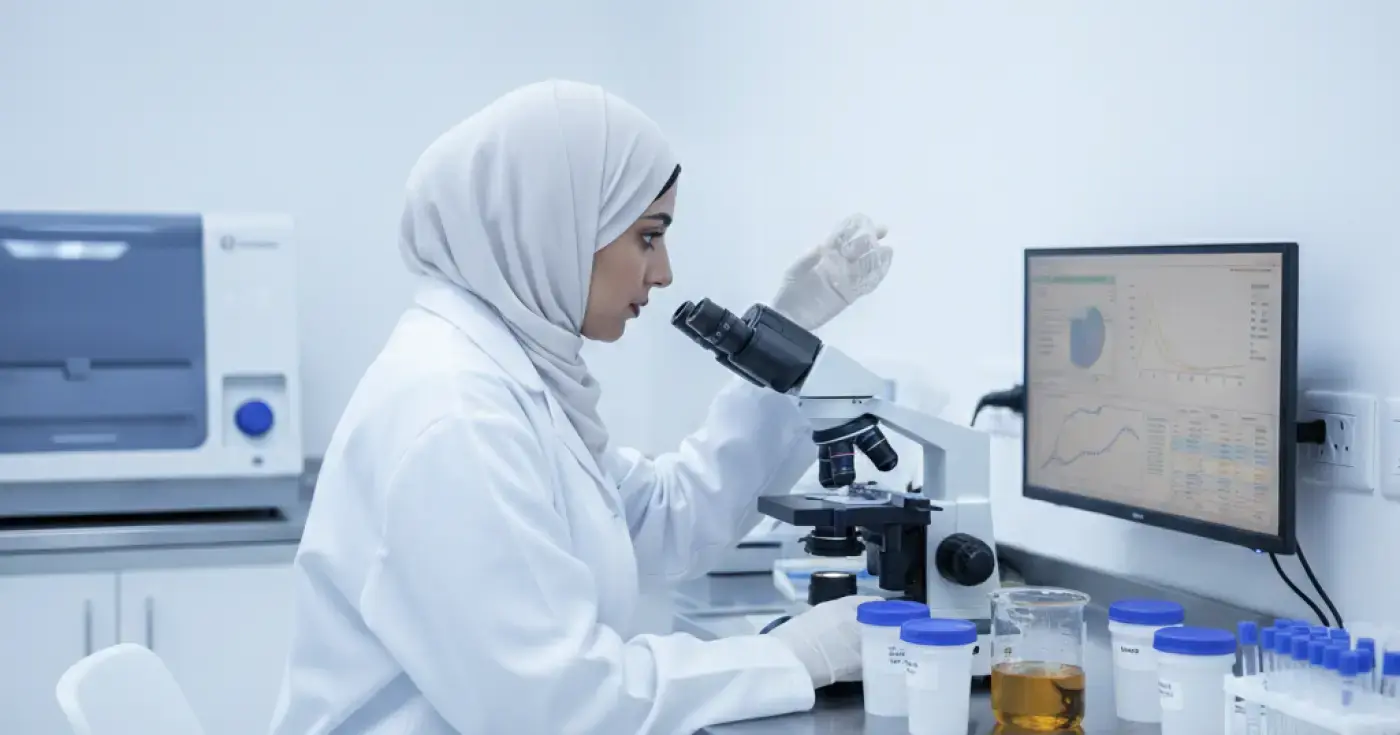
Comprehensive guide to urine culture: 8 clean-catch steps, reading CFU results, antibiotic sensitivity, and when to see a doctor.
Read article
Learn about bacterial culture and antibiotic sensitivity testing, sample collection, result interpretation, and distinguishing infection from contamination.
Read articleConnected next steps
 Blood Culture and SensitivityComprehensive diagnosis of blood infections by identifying the causative bacteria or fungi and selecting the optimal antibiotic to effectively eliminate them, ensuring rapid and life-saving treatment.
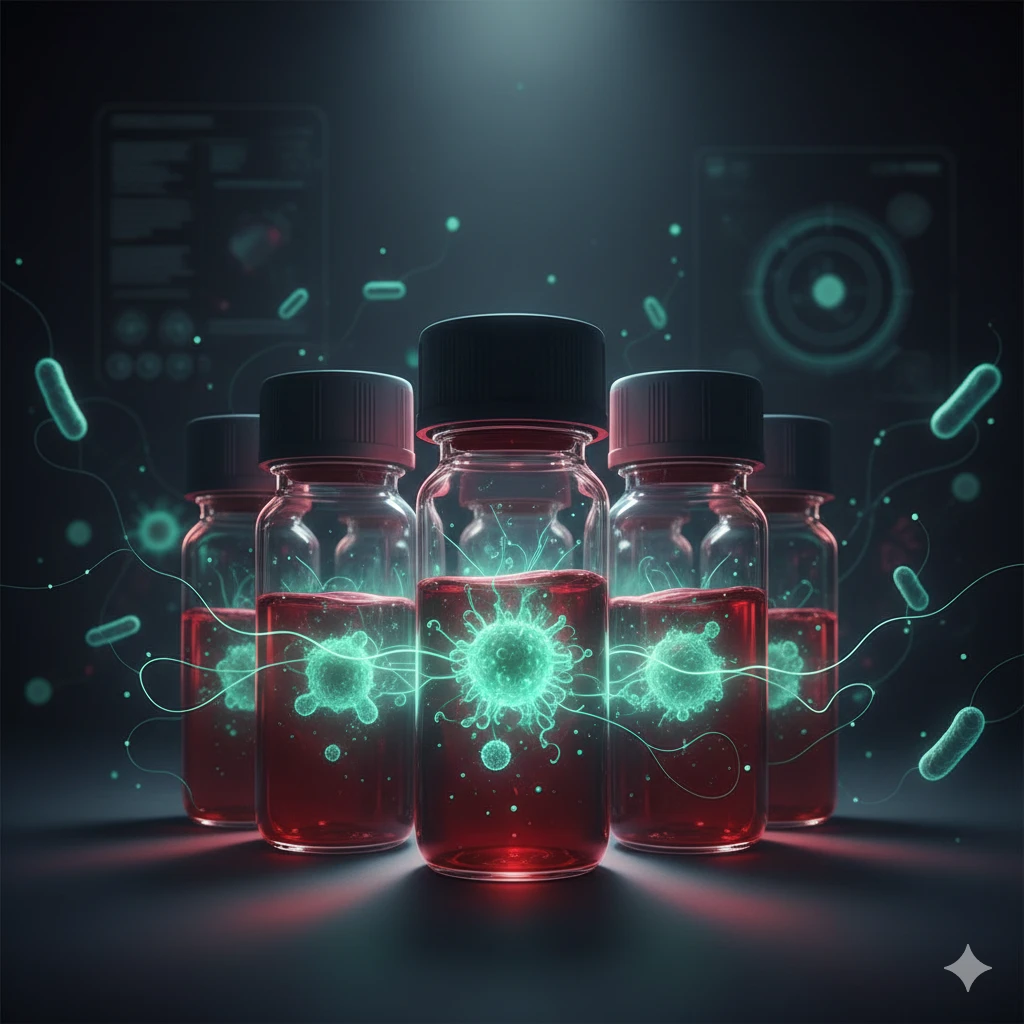 Blood Culture TestThis test identifies the presence of bacteria or fungi in the blood, aiding in the diagnosis of sepsis and determining the most effective antibiotic for treatment.