Protein S Free Test at Home | Lahalak Platform

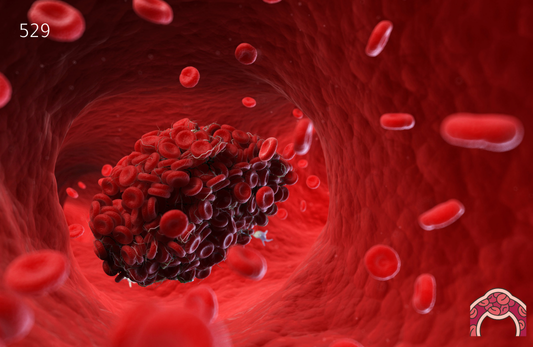
Monitor your free Protein S levels to support natural coagulation balance. This test helps assess your body’s ability to prevent clots and maintain healthy circulation and cardiovascular function effectively.
Prices starts from: 132.56 SAR

Scientific name: Protein S Free Test

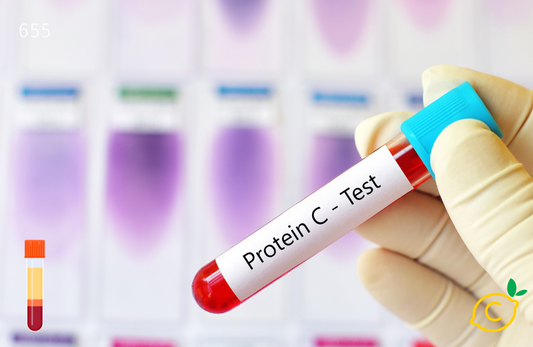
The protein S free test in citrated plasma is a laboratory test used to assess the levels of protein S, a protein important for regulating blood clotting. Protein S is an essential part of the blood coagulation control system, helping to break down clots and prevent excessive clotting. The test is performed by drawing a blood sample treated with ci...

Protein S Free Test - Free Protein S Coagulation Test
Service type Laboratory test (Blood)
Duration 10-15 minutes
Fasting Fasting is not required
Prices Starting from 132.56 SAR

Included Services

  • Protein S - Free, Citrated Plasma Test
  • The optimal health guidance based on the result.
  • Personal support services from Lahalak

Medical Service Information

Purpose Test

  • Protein S Levels: Measures the amount of free Protein S in the blood, helping to determine whether the levels are normal or low.
  • Diagnosis of Protein S Deficiency: Can reveal a deficiency in Protein S, which is considered a risk factor for excessive blood clotting.
  • Evaluation of Thrombotic Risks: Helps assess the risk of blood clots, such as deep vein thrombosis or pulmonary embolism.
  • Identification of Causes of Hypercoagulability: Used to understand potential causes of blood clotting, particularly in patients with a personal or family history of clots.
  • Monitoring Treatment Response: Can be used to follow up on patients receiving anticoagulant therapy, such as blood thinners.

Recommended groups

  • Patients with a personal history of blood clots: Such as deep vein thrombosis or pulmonary embolism.
  • Individuals with a family history of hypercoagulability: To detect early risks of developing blood clotting issues.
  • Patients with medical conditions that increase clotting risk: Such as diabetes or obesity.
  • People undergoing comprehensive thrombotic risk assessments: Prior to major surgeries or medical treatments.
  • Patients on anticoagulant therapy: To monitor the body's response to treatment and ensure there is no deficiency in Protein S.
  • Individuals showing unexplained symptoms: Such as swelling in the legs or sudden pain, which may indicate clotting problems.

Symptoms indicative

  • Unexplained swelling in the legs: This could suggest the presence of blood clots.
  • Severe leg pain: Especially if accompanied by swelling or redness.
  • Difficulty breathing or chest pain: These can be signs of a pulmonary embolism.
  • Personal or family history of blood clots: If there is a family history of unexplained clotting.
  • Unexplained weight loss: This could indicate health issues affecting blood clotting.
  • Sudden drop in energy levels or extreme fatigue: This might signal issues with blood circulation.

FAQs

  • What is the purpose of this test? The Free Protein S Test is used to determine the levels of free Protein S in the blood, helping to assess the risk of excessive clotting (hypercoagulability).
  • How is the test performed? A blood sample is drawn and treated with citrate, which prevents blood clotting, to measure the levels of free Protein S.
  • Are there any special preparations before the test? Typically, there are no special preparations needed. However, it’s advisable to inform the doctor about any medications being taken.
  • What are the normal levels for Protein S? Normal levels for free Protein S typically range between 60% to 150%, but they can vary depending on the laboratory and methodology used.
  • Do any medications affect the test results? Yes, some medications, particularly anticoagulants (blood thinners), may influence Protein S levels and could affect the results.
  • What does a low Protein S level mean? Low levels of Protein S could indicate an increased risk of developing blood clots, such as deep vein thrombosis (DVT) or pulmonary embolism.

Normal Levels

  • Free Protein S: The normal level is usually between 60% and 150% of the reference values.
  • Total Protein S: The normal level for Total Protein S in plasma is generally around 70% to 140%, but this may vary depending on individual health conditions.

Conditions & Notices

  • The terms and conditions announced on the "Lahalak" medical platform apply.
  • There are no special conditions for the service other than those mentioned.

Medical services you might also like